Pipeline generation: Complete guide for B2B SaaS in 2026
 18 minutes
 11.05.2026
Your sales team is stuck chasing unqualified leads. Marketing feels like they’re shouting into the void.
Only 2-3% of B2B website visitors convert into leads, and it takes an average of 64.5 days to turn a lead into a customer.
If your pipeline feels unpredictable and your forecast unreliable, you’re not alone. This guide shows you how to build a sustainable pipeline generation engine that finally delivers predictable growth.
What is pipeline generation?
Pipeline generation is the systematic process of creating and managing a sales pipeline filled with qualified opportunities that move toward closed deals.
Unlike lead generation, which focuses solely on capturing interest at the top of the funnel, pipeline generation encompasses the entire buyer journey. From the moment someone discovers your brand to the day they sign a contract, you’re actively nurturing, qualifying, and advancing opportunities through each stage.
Why does this matter? Because revenue comes from a healthy pipeline where sales and marketing work in sync, where opportunities are visible and measurable, and where your team knows exactly what actions drive sales outcomes.
Pipeline generation vs lead generation: Key differences
Pipeline generation vs lead generation, these terms get confused, but the distinction is critical.
Lead generation stops at awareness. You run campaigns, capture contact info, and hand leads off to sales. That’s it. The focus is quantity: how many form fills, downloads, or demo requests can you generate?
Pipeline generation goes deeper. It’s full-funnel management from first touch to closed-won. You’re collecting leads, qualifying, scoring, nurturing, and moving them through stages until they become pipeline opportunities your sales team can work.
Lead generation fills the top of your funnel. Pipeline generation fills your forecast.
The sales pipeline stages explained
Every sales pipeline follows a journey from initial awareness to closed deal. Understanding these stages is essential because each one requires different actions, messaging, and conversion tactics.
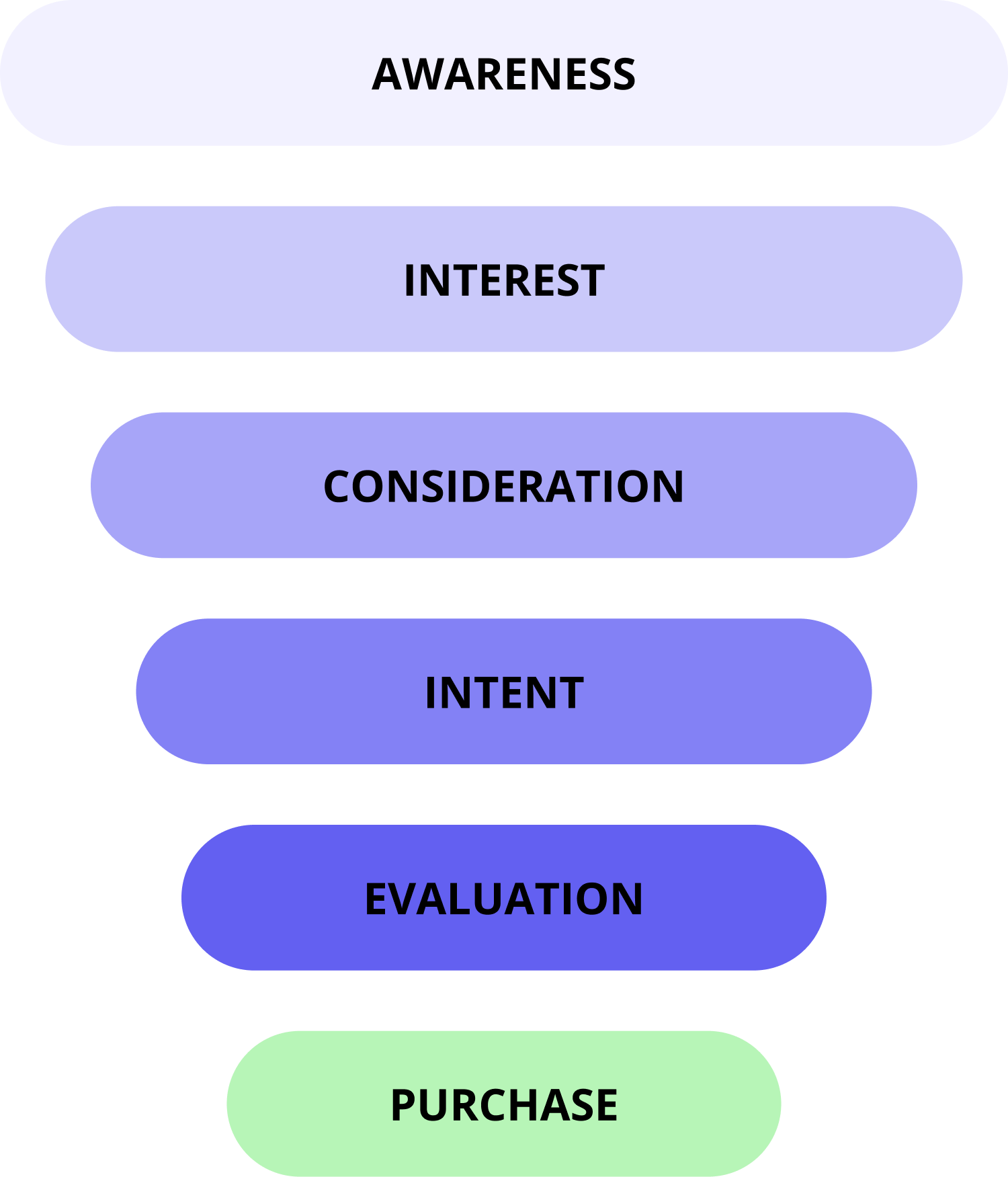
Here’s how a typical B2B pipeline breaks down:
1. Awareness
A prospect discovers your brand through content, ads, referrals, or search. They know you exist but haven’t engaged.
2. Interest
They visit your website, download a resource, or attend a webinar. Now they’re a lead in your system, and you’re tracking their behavior.
3. Consideration
The buyer is actively evaluating solutions. They’re comparing options, reading case studies, and engaging with your sales team. This is where qualification happens.
4. Intent
They request a demo, start a trial, or ask for pricing. Strong buying signals. Your pipeline opportunity is now real and measurable.
5. Evaluation
Decision-makers review your proposal, negotiate terms, and work through internal approval processes. Deals can stall here without proper nurturing.
6. Purchase
Contract signed. Opportunity closed-won. Revenue recognized.
Each stage has specific conversion rates and time benchmarks. In B2B SaaS, average conversion from SQL to opportunity is 11%, and opportunity to closed-won is around 7%.
The mistake most teams make? Treating all pipeline stages the same. A lead at the awareness stage needs educational content and light touches. A buyer at the evaluation stage needs ROI calculators, reference calls, and executive alignment.
Knowing where each opportunity sits lets you allocate resources efficiently, forecast accurately, and identify exactly where your pipeline is breaking down.
Why deals stall: the multithreading problem
Multithreading means engaging more than one stakeholder inside a target account, instead of relying on a single champion to carry the deal. Most B2B pipeline stalls here, not at the top of the funnel. A deal with one point of contact depends entirely on that person staying employed, staying interested, and convincing colleagues who have never spoken with you.
The numbers back this up. UserGems found that 70% of opportunities carry only a single point of contact. Multithreaded deals in the same analysis closed at five times the win rate of single-threaded ones, a gap too large for any pipeline generation strategy to ignore.
One contact is not a relationship. It is a single point of failure.
Buying committees are not shrinking either. The same research puts the average committee at roughly 12 decision-makers, spanning departments that rarely talk to each other before a vendor shows up. That is exactly why deals stall in the evaluation stage covered above: a champion who never brought in a second stakeholder now has to sell internally, alone, against a room full of people your team has never met.
Pipeline generation strategy has to plan for this from the interest stage onward, not scramble for extra names once a deal reaches evaluation. Identifying a second and third stakeholder early is what separates pipeline that converts from pipeline that quietly stalls.
Why pipeline generation matters for B2B SaaS companies
For B2B SaaS companies, pipeline generation isn’t just another marketing nice-to-try framework. It’s the foundation of sustainable revenue growth.
Here’s why it matters. Your sales team can’t close deals that don’t exist. Marketing can run brilliant campaigns, but if those campaigns aren’t feeding qualified opportunities into your pipeline growth engine, you’re burning budget without building momentum.
B2B SaaS companies with strong pipeline practices achieve 20-30% win rates, while poorly qualified leads drag conversion down significantly.
Three things separate winners from losers in B2B sales:
Understanding your Ideal Customer Profile (ICP)
Without a clear ICP, your sales team wastes time on leads that will never convert. You’re pitching to the wrong buyer personas, missing budget authority, and discovering misalignment after weeks of nurturing.
Strong ICPs let marketing target high-fit accounts from day one. Instead of generating thousands of low-intent leads, you focus on hundreds of qualified prospects who actually match your product capabilities, pricing model, and buying process.
![Build Ideal Customer Profile Like a Pro Even If You’re Not [3 Templates]](https://www.dashly.io/blog/wp-content/uploads/2021/03/ideal-customer-profile-4-720x308.jpg)
Gaining predictable revenue through pipeline visibility
Blind sales forecasting is guesswork. Pipeline visibility shows you exactly how many opportunities are in play, where each deal sits, and what conversion rates look like by stage.
With real-time pipeline data, your sales leadership can predict revenue with confidence, spot bottlenecks before they derail your quarter, and allocate resources to the highest-value opportunities. You stop flying blind and start making decisions backed by actual pipeline health metrics.
Aligning marketing and sales teams for pipeline success
Misalignment kills pipeline growth. Marketing generates leads that sales ignores. Sales complains about lead quality while marketing points to volume metrics.
When both teams rally around shared pipeline goals, everything changes. The sales team gets predictable flows of qualified opportunities. Marketing gets feedback loops that improve targeting and messaging. Handoffs become seamless, follow-up becomes instant, and conversion rates climb across every stage.
Common pipeline generation challenges in 2026
Even companies that understand pipeline generation struggle to execute it consistently. The pipeline stalls, sales cycles drag, and leads vanish before they convert.
These challenges aren’t new, but in 2026 they’re more costly. Your pipeline needs constant attention, and ignoring these friction points means watching revenue opportunities slip away while your sales team burns out chasing dead ends. Here’s what’s breaking down and why it matters for hitting your sales targets with quality leads.
Lack of qualified leads entering the pipeline
The problem isn’t volume. It’s quality.
If your lead qualification process is either too loose or nonexistent, unqualified leads floods your pipeline. Your sales team wastes hours on discovery calls with prospects who lack budget, authority, or genuine need. By the time they realize a lead won’t convert, they’ve lost time they could’ve spent closing real opportunities.
Without clear MQL and SQL criteria, marketing hands off anyone who downloads a whitepaper. That’s not a qualified lead, that’s someone doing research who may never buy.
Poor sales and marketing alignment
Here’s the cycle: marketing generates leads and calls it a day. Sales complains the leads are garbage. Marketing points to volume metrics. Sales ignores the handoffs.
This misalignment kills your pipeline. When the sales team doesn’t trust marketing-qualified leads, they cherry-pick who to contact and let the rest go cold. Marketing has no feedback loop to improve targeting, so they keep optimizing for vanity metrics. Meanwhile, sales and marketing blame each other while your conversion rates crater.
![Sales and marketing automation: How to align their workflow to 2x revenue [Dashly example]](https://www.dashly.io/blog/wp-content/uploads/2021/06/IMG_1074-1100x471-1-720x308.jpg)
Inadequate lead nurturing and follow-up
Most leads aren’t ready to buy immediately. They need lead nurturing, consistent, valuable touchpoints that build trust and keep your solution top of mind.
But without lead scoring, your team can’t prioritize. They treat every prospect the same, missing signals that show buying intent. High-engagement prospects get the same generic email as cold contacts, and nobody gets the personalized attention that drives conversions.
The result? Your best opportunities go quiet while you’re busy chasing leads that were never going to close.
There are dozens of tactics that build B2B pipeline, from SLAs between sales and marketing to account-based programs, multi-channel outbound, and referral programs. We break down 8 of the highest-leverage tactics, plus a 90-day rollout plan, in a dedicated pipeline generation strategy guide.
How AI and automation transform pipeline generation
Manual pipeline generation doesn’t scale. Your sales team can only handle so many conversations. Marketing can only personalize so much content. Humans hit capacity.
Pipeline generation AI removes those limits. AI agents qualify leads, score intent, and route opportunities instantly, 24/7, without fatigue or inconsistency. They learn from every interaction, getting smarter with each prospect conversation.
The result? More qualified sales opportunities, faster response times, and marketing campaigns that adapt in real-time to buyer behavior.
AI-powered lead qualification and scoring
AI analyzes hundreds of signals, behavioral patterns, and firmographic data points that humans miss. It scores each lead based on likelihood to convert, not arbitrary rules.
Traditional lead scoring relies on static point systems. AI scoring adapts continuously, learning which signals actually predict sales outcomes in your specific market. The system gets more accurate over time, automatically adjusting weights as buyer patterns shift.
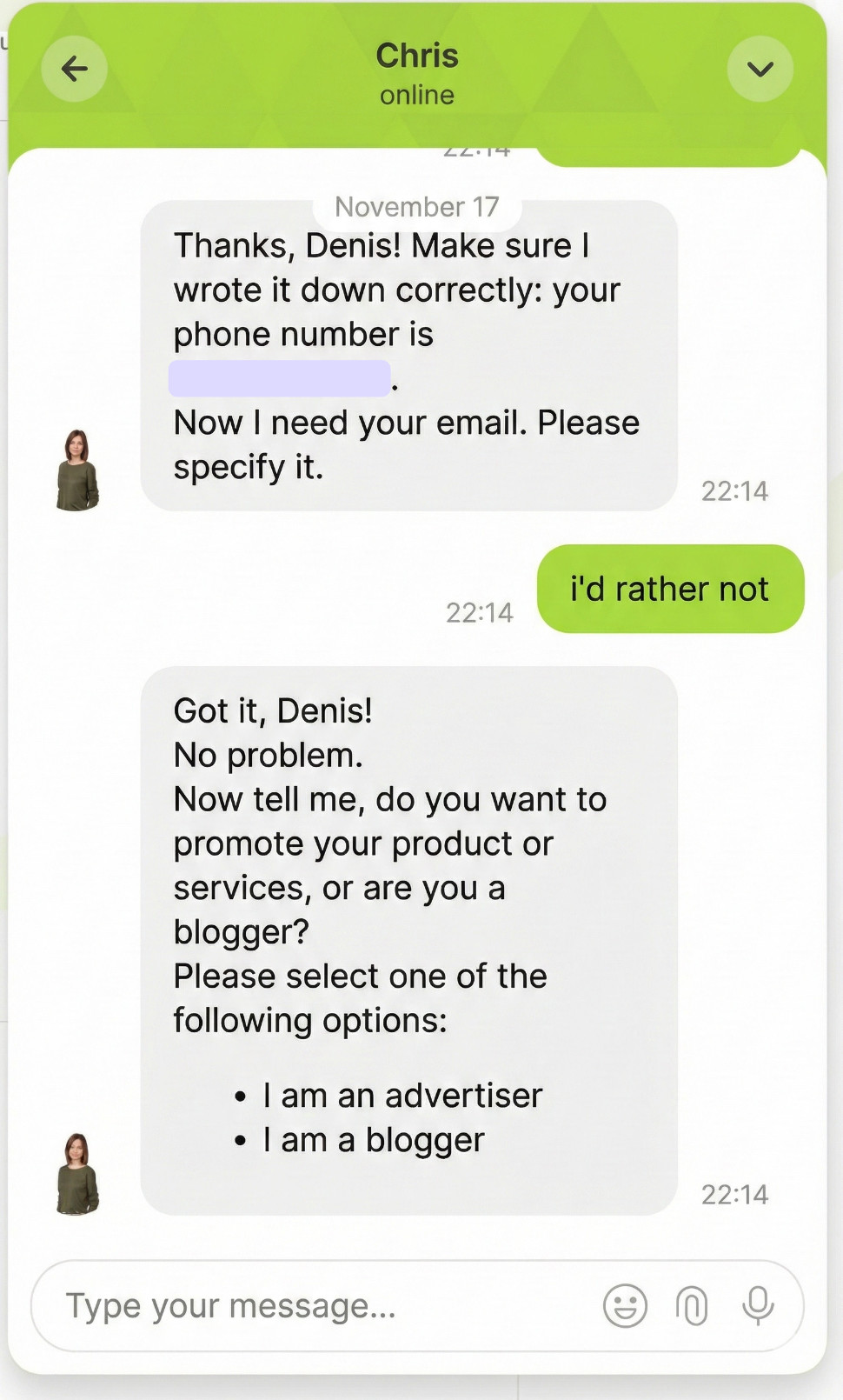
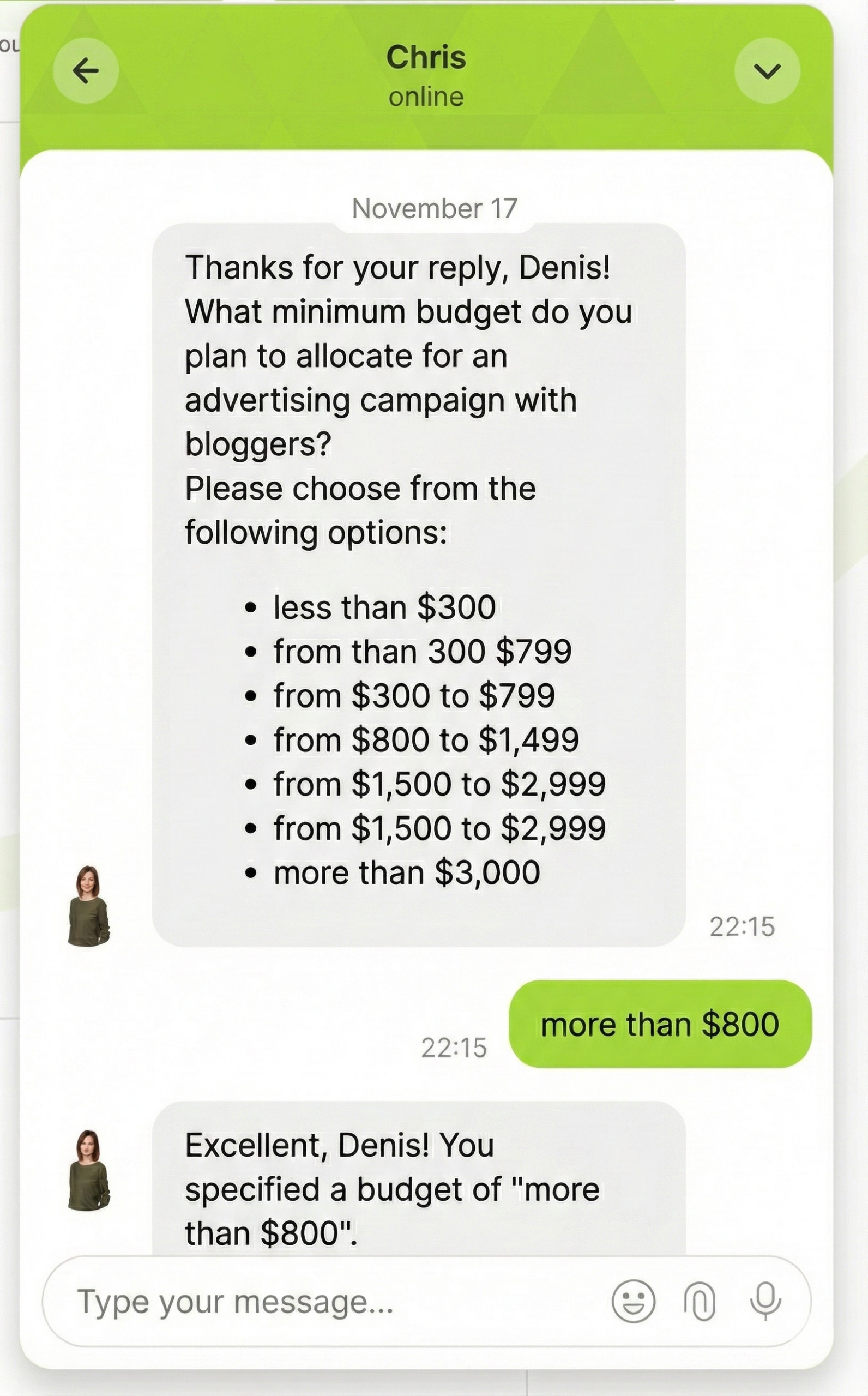
Here’s an example of how Dashly AI agent qualifies an inbound lead:
Real-time intent detection and routing
AI detects buying intent the moment it surfaces. When a buyer visits your pricing page three times in an hour, the system routes them to your sales team immediately, not days later when the opportunity has cooled.
Real-time routing ensures hot leads never wait. High-intent prospects get instant attention while low-priority contacts flow into nurture sequences.
Conversational AI for 24/7 website engagement
Conversational AI turns your website into an always-on lead generation machine. Prospects get instant answers to complex questions, qualification happens in real-time, and sales only sees opportunities that are ready to buy.
No waiting for business hours. No generic auto-responders. Just intelligent conversations that feel human and convert at rates traditional forms can’t touch.
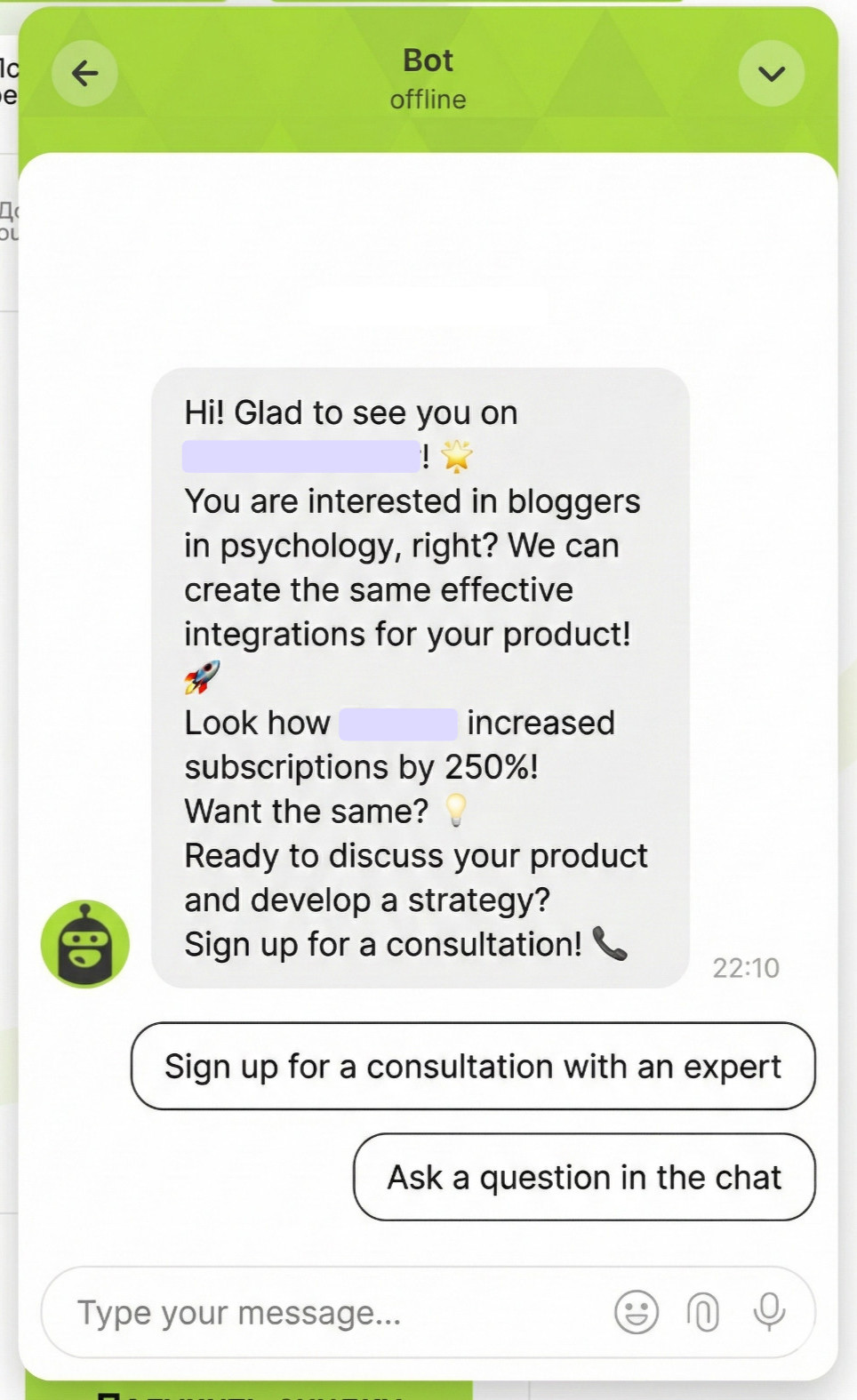
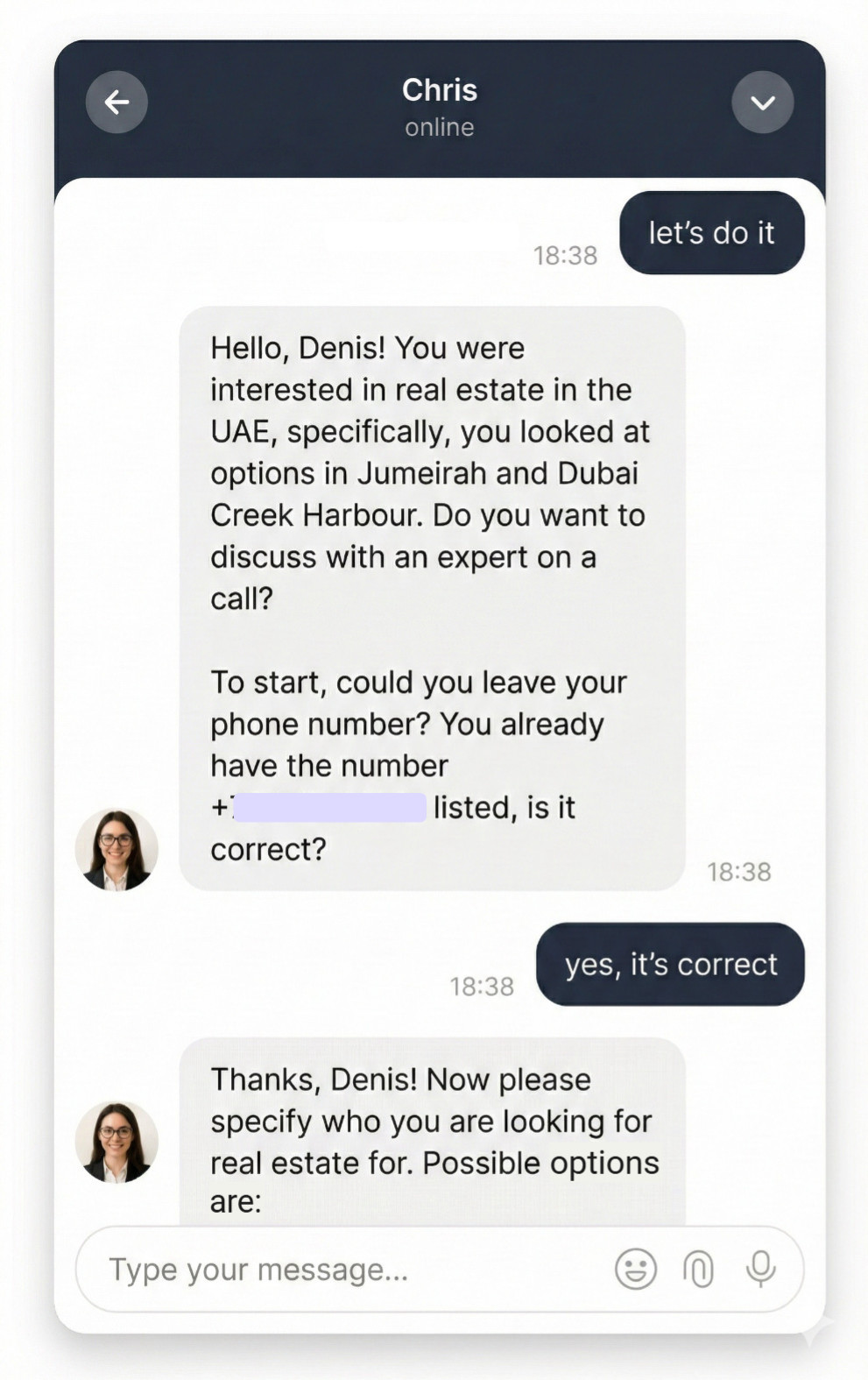
Ai Engagement Agent starts a conversation, personalizing the first message based on user’s activity 👉
Automated lead nurturing at scale
AI-powered demand gen delivers personalized nurture sequences to thousands of leads simultaneously. Each lead gets content, timing, and messaging tailored to their specific behavior and stage.
Marketing teams no longer choose between scale and personalization. They get both.
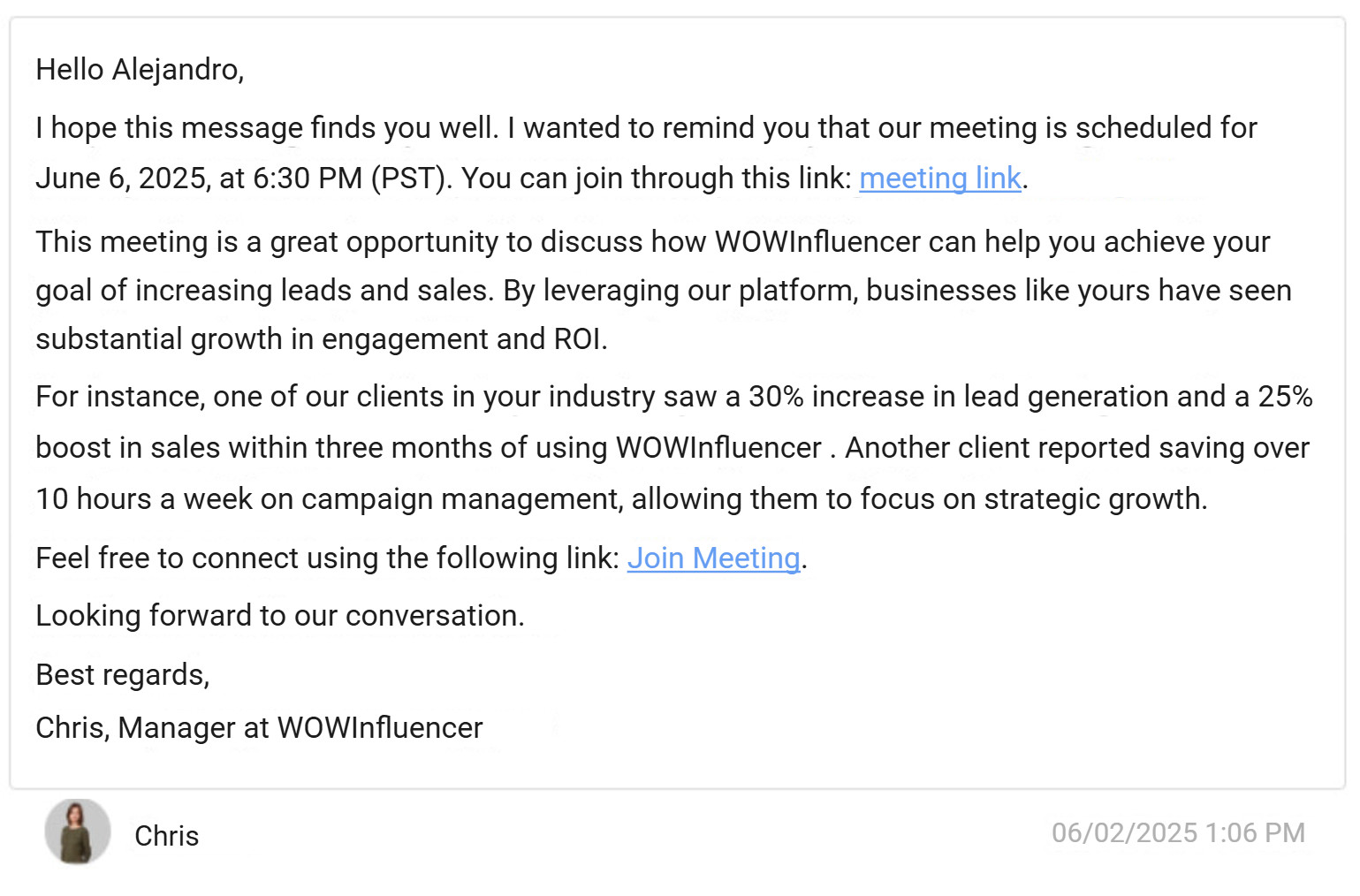
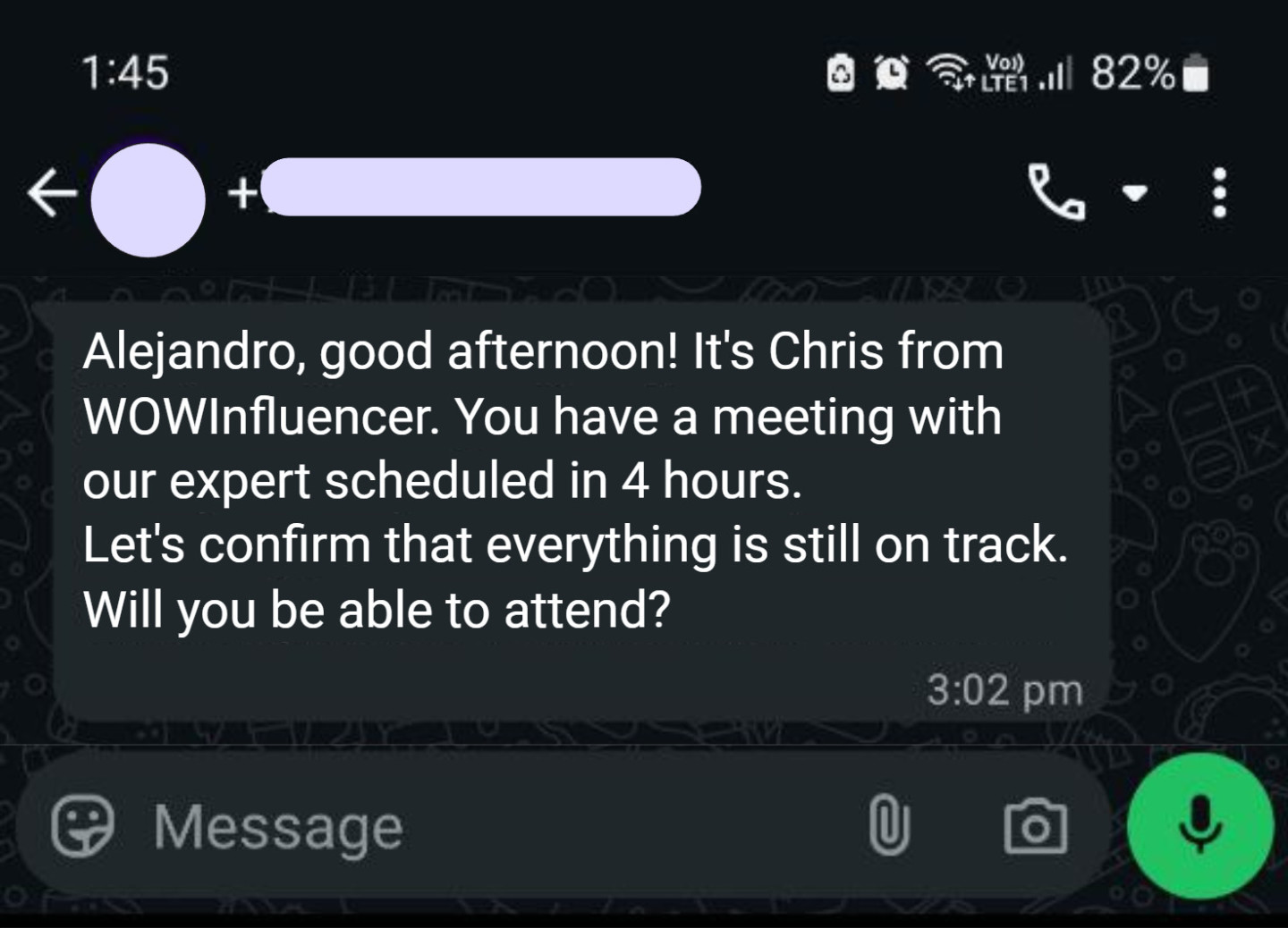
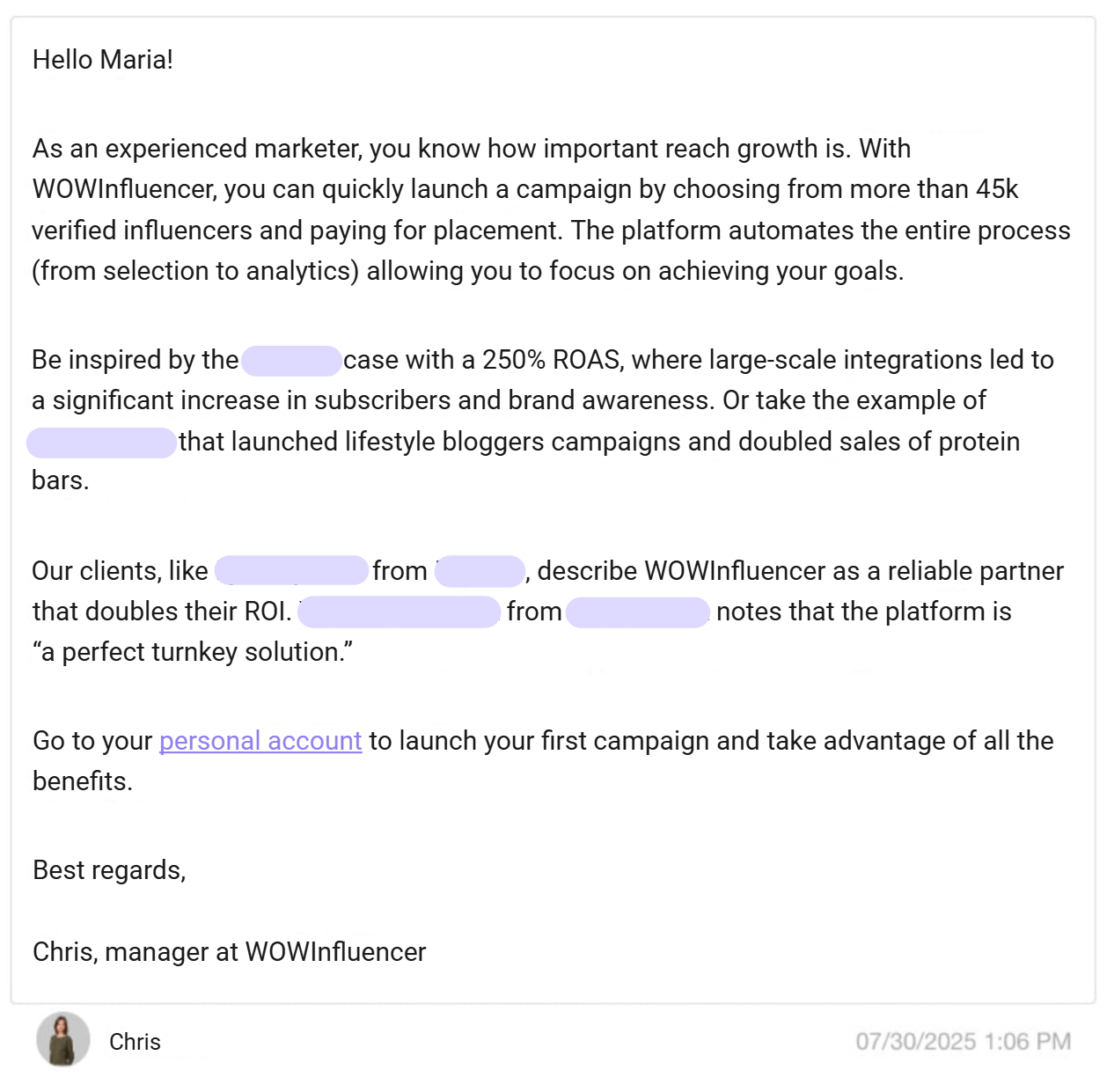
Omnichannel nurturing via AI:
Personalization without manual work
AI personalizes every touchpoint based on buyer actions, industry, role, and engagement history. Your sales and marketing teams don’t lift a finger. The system adapts messaging, adjusts send times, and optimizes content automatically.

Building a data-driven pipeline generation process
Data should be the foundation of your pipelines.
A solid pipeline generation framework transforms gut-feel sales decisions into measurable, repeatable systems. You track what matters, identify bottlenecks before they kill deals, and optimize every stage based on real performance data.
The difference between an effective pipeline and a leaky one comes down to six core metrics.
Pipeline velocity measures how fast opportunities move from first touch to close. Faster velocity means shorter sales cycles and more predictable revenue. Track days in each stage. If deals stall, diagnose why and fix the friction.
Lead-to-opportunity conversion rate shows what percentage of leads become real sales opportunities. Low conversion signals weak qualification or misaligned targeting. High conversion means you’re attracting the right buyers.
Opportunity-to-close rate reveals how well your sales team converts qualified pipeline into revenue. Industry benchmarks hover around 20-30% for B2B SaaS, but top performers push 40%+. If yours is lower, audit your qualification criteria and sales process.
Average deal size tells you the typical value of closed opportunities. Track this by segment, source, and sales rep. Variance signals inconsistency in targeting or discounting practices.
Time in stage highlights where deals get stuck. If opportunities sit in “Evaluation” for 45 days while “Interest” takes three, you know exactly where to focus enablement and process improvements.
Pipeline coverage ratio answers the critical question: do you have enough pipeline to hit quota? Best practice is 3-5x coverage. If your team needs $1M in closed-won revenue this quarter, you should carry $3-5M in qualified pipeline.
These six metrics form your command center. Review them weekly. Spot trends early. Adjust targeting, messaging, and process before problems compound.
Data-driven sales operations don’t eliminate intuition. They sharpen it, giving your team the insights to act fast and close more.
Pipeline generation best practices for different business models
Your pipeline strategy should match your business model. What works for product-led growth companies fails spectacularly in enterprise sales. What drives SMB conversions leaves mid-market buyers cold.
Here are pipeline generation examples that show how top performers adapt their approach to their specific go-to-market motion.
Product-led growth (PLG) companies
PLG companies flip traditional sales on its head. The product itself generates pipeline.
Users sign up for free trials or freemium tiers, experience value immediately, and self-qualify before ever talking to a sales rep. Your marketing focuses on activation, not just acquisition. Get users to their “aha moment” fast, track product usage signals, and route high-intent accounts to sales when they hit expansion triggers.
Not every PLG signup is warm pipeline. ProductLed’s 2025 benchmark data found that free-to-paid conversion runs roughly 3x higher when a company scores product-qualified leads (PQLs) instead of routing every signup straight to sales. The PQL signal, not the signup itself, is what tells you a pipeline generation motion is actually working.
Pipeline generation examples: Slack, Notion, and Figma all let users start for free, collaborate with teammates, and organically expand usage. When a team hits certain thresholds (like 10+ active users or hitting feature limits) the account gets flagged for sales outreach. The pipeline builds itself through product engagement.
Key tactics: optimize onboarding flows, instrument product analytics to spot buying signals, create upgrade paths that feel natural, and use in-app messaging to drive conversion conversations.
Enterprise sales strategies
Enterprise sales requires patience, persistence, and multi-threading across stakeholders.
Your pipeline comes from targeted outbound, strategic partnerships, and account-based everything. Sales cycles stretch 6-18 months. Deals involve procurement, legal, security reviews, and executive sign-off. You’re not selling to individuals. You’re selling to committees.
That 6 to 18 month range is not an exaggeration. Enterprise deals over $100K ACV run 90 to 180-plus days, and legal redlines plus procurement approval are the single biggest cause of delayed closes once negotiation starts. SOC 2 reviews, GDPR checks, and vendor risk assessments alone add another 2 to 4 weeks on top of whatever the sales team controls.
Pipeline generation examples: Salesforce, Workday, and SAP build pipeline through dedicated account executives, sales engineers, and executive sponsors. They map org charts, identify champions, run pilots, and navigate complex approval processes. Every touchpoint is orchestrated.
Key tactics: build relationships with economic buyers and technical evaluators, create business cases with ROI calculators, leverage customer advisory boards and executive briefings, and align sales and marketing on target account lists.
SMB and mid-market tactics
SMB and mid-market sit between PLG velocity and enterprise complexity.
You need efficient sales motions that scale without requiring months of nurture. Your pipeline comes from high-volume inbound marketing, targeted outbound sequences, and fast qualification. Decision cycles run weeks, not quarters. Deals close on value and speed, not political navigation.
Speed is the whole game here. SMB deals under $15K ACV close in roughly 14 to 30 days, often with a single decision-maker and no procurement layer at all. Build your pipeline generation motion for that reality. A sales process designed for enterprise sign-off just adds friction where none needs to exist.
Pipeline generation examples: HubSpot, Zendesk, and Intercom generate pipeline through content marketing, free tools, SEO, and automated qualification. Their sales teams run discovery calls within days of demo requests, deliver quick proposals, and close deals in 30-60 days.
Key tactics: optimize for speed, use marketing automation heavily, qualify hard and fast, standardize pricing and contracts, and empower reps to close without endless approvals.
How Dashly accelerates pipeline generation with AI agents
Traditional pipeline generation relies on manual processes that lose up to 55% of inbound leads between initial contact and booked meetings. Dashly takes a fundamentally different approach: a team of AI agents that automates your entire inbound funnel from first website visit to confirmed meeting.
Here’s what makes Dashly’s AI-driven system different.
Data-driven intelligence, not generic scripts
Most chatbots follow rigid scripts. Dashly’s AI agents work from actual customer data.
The AI Lead Insight agent builds a complete profile of every visitor by pulling data from your website, CRM, LinkedIn, and product usage. It analyzes behavior in real time to determine purchase intent and engagement level. This intelligence powers every interaction across your sales and marketing funnel.
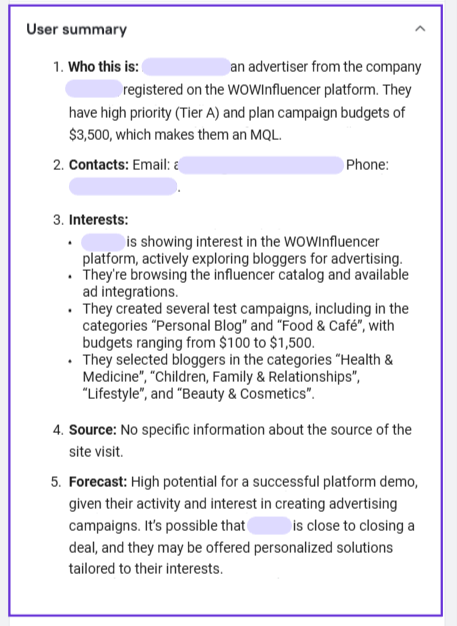
When a visitor lands on your pricing page for the third time this week, the AI knows. When they’ve downloaded two case studies and spent 8 minutes reading your enterprise features, the AI knows. This context transforms generic conversations into relevant, personalized engagements that convert.
Four specialized agents covering the complete journey
Dashly deploys four AI agents, each optimized for a specific role:

AI Engagement Agent initiates conversations at the perfect moment based on visitor intent and behavior. It analyzes the User Profile to determine when someone is most likely to engage, then starts natural conversations personalized to their current context.
AI Qualifier & Support handles two critical functions simultaneously. It answers product questions instantly while qualifying leads through natural conversation, determining fit, budget, timeline, and decision-making process. The agent passes only sales-qualified leads to your team with complete context.
AI Nurturing Agent books meetings directly into your calendar and ensures prospects actually show up. It sends personalized reminders across email, WhatsApp, and SMS, achieving 60-90% show-up rates without any human effort.
Results that transform pipeline economics
The numbers from real Dashly customers demonstrate the impact:
A MarTech SaaS company achieved 82% conversion from conversation to booked meeting, with 653% ROMI. Their AI agents now generate 66% of all marketing-qualified leads, responding 99.6% faster than their previous manual process.
A real estate platform saw even more dramatic results: AI agents now produce 29% of all website inquiries, with 77% qualifying as MQLs. The sales team’s conversion rate from MQL to SQL doubled after implementing Dashly’s qualification process.
Seamless integration with your existing stack
Dashly connects directly to your CRM (HubSpot, Salesforce, Pipedrive), calendars (Google Calendar, Calendly), and communication channels (WhatsApp, Telegram, email). All conversations flow through a single Inbox where AI and human agents collaborate seamlessly.
Your team gets complete visibility into the funnel with real-time analytics tracking every stage from visitor to qualified opportunity.
Measuring pipeline generation success
You can’t optimize what you don’t measure. Pipeline shouldn’t rely on gut feelings or optimistic forecasts. It should be based on tracking the right metrics and knowing what healthy pipeline growth actually looks like.
Here are the six KPIs that separate high-performing sales teams from those stuck in guesswork mode.
- Pipeline coverage ratio tells you if you have enough opportunities to hit quota. Best practice is 3-5x coverage. If your team needs $1M in closed revenue this quarter, you should carry $3-5M in qualified pipeline. Anything less and you’re gambling with your forecast.
- Conversion rates by stage show exactly where your funnel breaks. Track the percentage of opportunities that move from one stage to the next. If 40% of demos convert to proposals but only 15% of proposals close, you know where to focus. The pipeline growth meaning becomes clear when you see which stages drive momentum and which create friction.
- Cost per qualified lead reveals your acquisition efficiency. Divide total marketing and sales spend by the number of SQLs generated. If it costs $500 to generate a qualified lead but your average deal is $5,000, you’re in good shape. If those numbers flip, your economics don’t work.
- Customer acquisition cost (CAC) goes deeper than cost per lead. It includes all sales and marketing expenses divided by new customers acquired. SaaS benchmarks typically run 3-12 months of customer lifetime value, depending on your business model and growth stage.
- Sales cycle length measures days from first touch to closed-won. Shorter cycles mean faster revenue recognition and more predictable cash flow. Track this by segment, source, and deal size to spot patterns.
- Win rate by source shows which channels deliver the highest-quality pipeline. If inbound demo requests close at 35% but cold outbound closes at 12%, you know where to invest more resources.
Review these metrics weekly. Spot trends before they become problems. Adjust your strategy based on what the data tells you, not what you hope is happening.
Conclusion: Start building your pipeline generation engine today
Effective pipeline generation transforms sales from reactive to predictable. Automation multiplies your team’s capacity without multiplying headcount. AI agents qualify, nurture, and convert 24/7 while your team focuses on closing.
The difference between a stalled pipeline and consistent growth? Systems that scale.
Your competitors are already automating. Every day without AI-powered qualification means lost leads, slower response times, and deals slipping to faster competitors. The tools exist. The proven strategies are here. The only question is when you’ll start.
Pipeline generation FAQs
Pipeline generation is the process of creating and managing a healthy sales pipeline filled with qualified opportunities that move toward closed deals. Unlike simple lead capture, it covers the entire buyer journey from awareness through purchase, ensuring marketing and sales teams collaborate to advance prospects through each stage.
Effective pipeline generation requires a multi-channel approach combining inbound content marketing, targeted outbound campaigns, lead qualification systems, and automated nurturing. Modern teams layer AI-powered tools that qualify leads 24/7, score intent in real-time, and route hot opportunities instantly to sales reps. Track metrics like pipeline coverage ratio, conversion rates by stage, and velocity to optimize continuously.
Lead generation focuses on top-of-funnel capture, getting contact information through forms, downloads, or demo requests. Pipeline generation goes deeper, managing the full journey from first touch to closed-won. It includes lead qualification, nurturing, stage advancement, and forecast management. Lead generation measures volume; pipeline generation measures qualified opportunities that actually close.
The most effective pipeline generation combines proven strategies with automation. Build service level agreements between sales and marketing, implement lead scoring to prioritize high-intent prospects, and deploy AI agents for instant qualification and 24/7 engagement. Use data to track pipeline health metrics weekly, identify bottlenecks, and optimize each stage. Automation multiplies your team’s capacity without adding headcount. AI handles qualification and nurturing while your team focuses on closing deals.