AI personalization marketing: How AI turns customer data into personalized experiences
 17 minutes
 18.02.2026
Your website traffic is growing, but conversions are stuck. Worse, buyers now expect you to remember what they care about. According to McKinsey, 71% of consumers expect companies to deliver personalized interactions. That expectation has reached B2B, too.
What is AI personalization marketing?
AI personalization marketing is the use of AI to turn customer data and real-time signals (pages viewed, clicks, form submits, CRM context) into messages, offers, and experiences that feel 1:1.
It goes beyond “Hi, {first name}.” It adapts what you show and say based on what a customer is doing right now.
AI personalization definition (in marketing, not just product UX)
In marketing, AI personalization means using machine learning to predict what a customer needs next, then automatically delivering the most relevant content, channel, and call to action.
How AI personalization differs from traditional personalization marketing
Traditional personalization marketing is rules-heavy. For example, “If industry = SaaS, show banner A.” AI personalization learns from patterns across customers and improves over time, helping teams personalize at scale without writing endless rules.
Why personalization is now a baseline expectation for customers
Personalization is no longer a “nice to have.” It reduces decision fatigue, speeds up evaluation, and makes experiences feel helpful and attentive. When your site and follow-ups ignore user behavior, customers bounce, leads go cold, and sales teams waste time re-qualifying the same intent.
AI and personalization in digital marketing: where it shows up across the funnel
Personalization is not a “retention-only” tactic. In AI and personalization in digital marketing, you can tailor experiences from the very first touch (awareness) all the way to renewal (retention) by reacting to what people do, not what you hope they do.
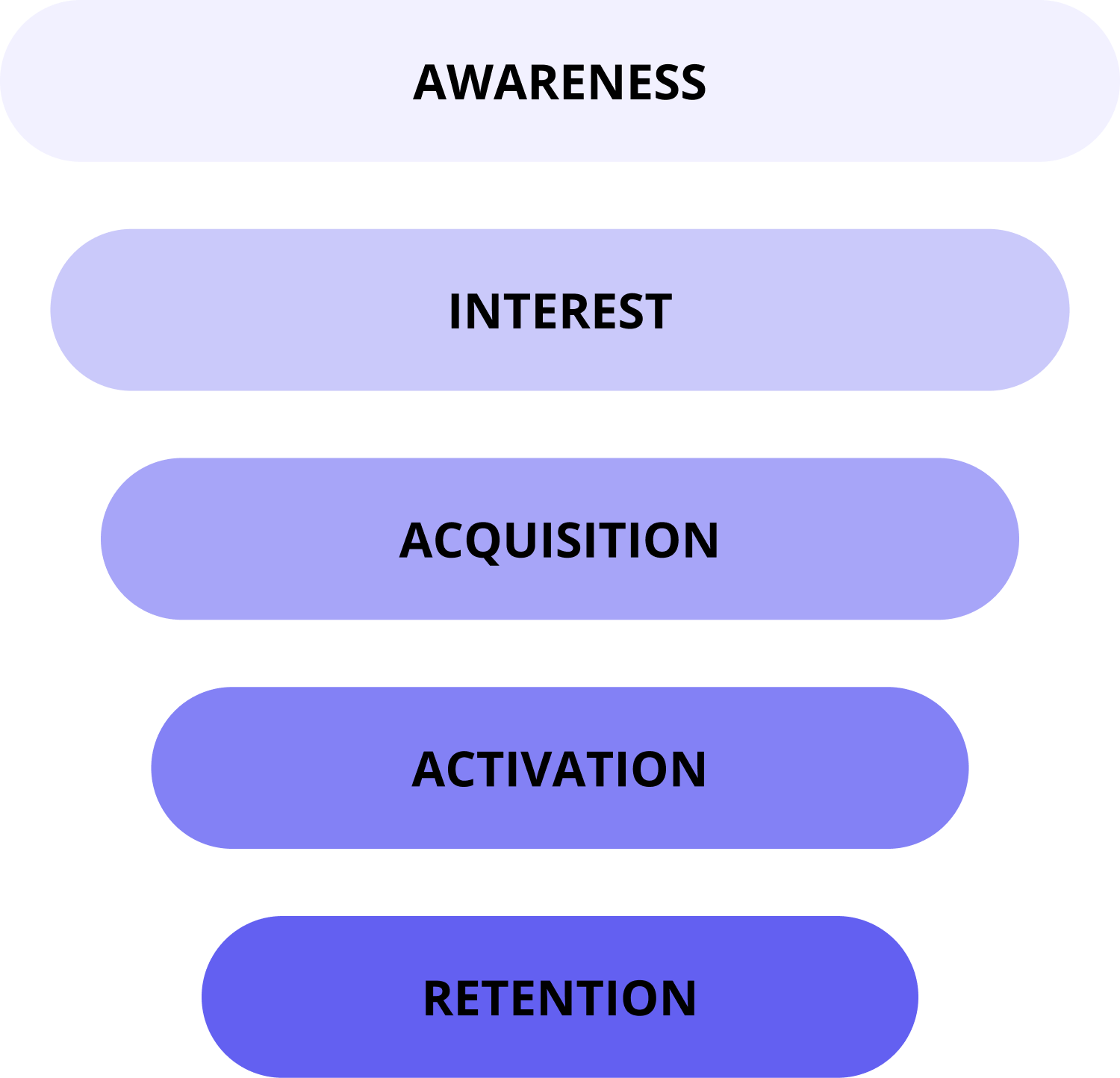
Here’s how it shows up across the funnel 👇
Awareness: personalized top-of-funnel content and channel selection (what people see first)
At the awareness stage, AI helps you tailor the first impression. The goal is to match content and channels to the visitor’s likely job-to-be-done.
- Serve different blog recommendations based on role, for example, RevOps vs Growth.
- Show a different homepage hero for “HR SaaS” vs “MarTech SaaS” visitors.
- Shift spend toward channels that bring higher-intent visitors for each audience.
Interest: personalized lead magnets, product pages, and intent-based nurturing
In interest, personalized marketing nudges people deeper with the next best asset, based on what they explored and what they might compare next.
- Offer an “ROI calculator” after a visitor reads pricing-related pages.
- Personalize a product page to highlight the feature tied to the last article read.
- Send an email follow-up with a case study matching the visitor’s industry.
Acquisition: personalized ads and landing pages based on user behavior
In acquisition, personalization is about removing friction. Your offer, proof, and CTA should reflect intent, not just persona.
- Retarget pricing-page visitors with a “book a demo” ad, not a generic ebook.
- Change landing page proof based on ad intent, for example, “reduce no-shows” vs “qualify inbound leads.”
Activation: onboarding flows and in-app guidance (real time personalization)
Activation is where experiences become truly contextual. Use real time signals to help users complete the next step.
- If someone skips setup, show a checklist tailored to the missing step.
- Trigger tooltips based on usage, not time, to improve activation.
Retention: lifecycle messaging and content personalization
Retention personalization keeps customers moving forward instead of stalling. It should anticipate the next obstacle and offer the simplest path.
- If usage drops, offer a personalized “next best workflow” and training.
- Recommend features based on patterns from similar customers to improve the ongoing experience.
How AI personalization in marketing works (from data to decision)
AI personalization in marketing is basically a loop: collect customer data, turn it into insights, then use those insights to decide what to show, say, or recommend next.
Data inputs: first-party customer data, events, attributes, and consent
It starts with what you can observe (and what people allow you to store). In B2B SaaS, that usually includes:
- Website and product events (pages, clicks, key feature usage)
- Attributes (role, company, plan, lifecycle stage)
- Consent signals (opt-in status, tracking preferences)
Identity resolution and unifying profiles (why fragmentation breaks personalization)
If the same person shows up as “anonymous visitor,” “email lead,” and “CRM contact,” AI personalization gets confused fast. Identity resolution unifies touchpoints into one profile so your message is consistent across channels.
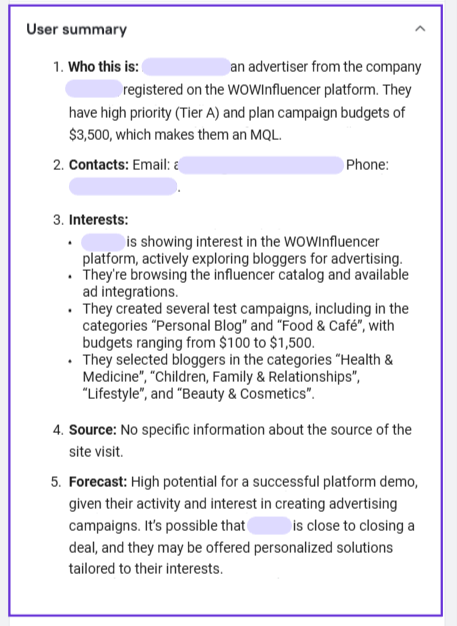
Dashly resolves this issue with unified lead cards. Data on each visitor includes: website activity, history of communications, AI user summary for sales managers:
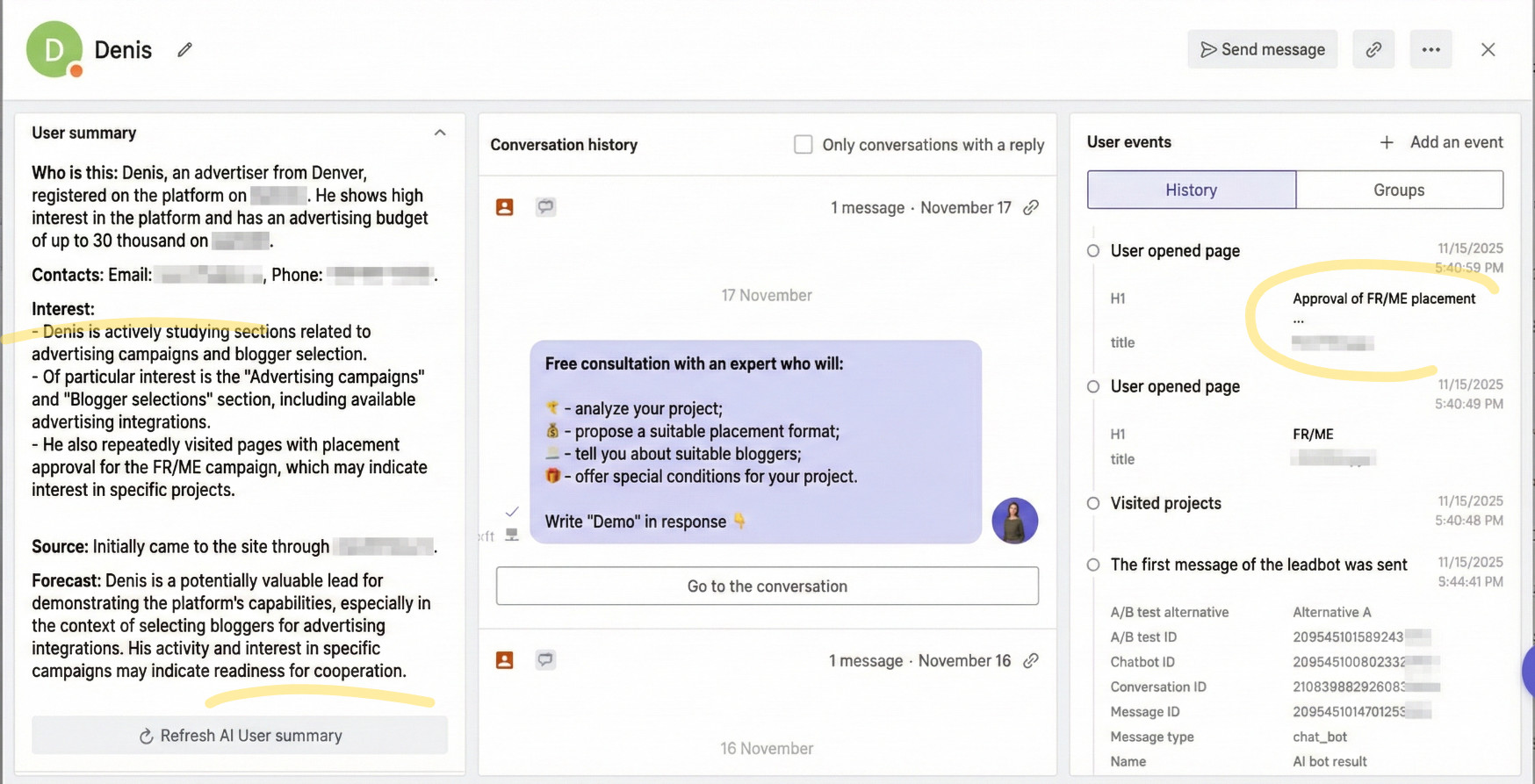
Models and decisioning: predictions, next-best-action, and product recommendations
With a unified profile, models estimate intent and outcomes (for example, likelihood to book a demo). Then a decisioning layer picks the next best action:
- Which offer to show now
- Which question to ask in chat
- Which content to recommend
That’s how raw customer data becomes actionable insights and real AI personalization at scale.
AI marketing personalization use cases and examples (cross-channel playbook)
If you want AI marketing personalization that actually moves pipeline, focus on moments where intent is visible and decisions happen fast. That’s the sweet spot for AI in personalized marketing.
Below are six use cases you can mix into your campaigns without turning your stack into a science project.
Personalized product recommendations (on-site and in email)
In SaaS, recommendations are not “You may also like.” They are supposed to be decision support. Good marketing personalization reduces choice overload by pointing a buyer to the next most relevant plan, feature, or setup.
- On-site: “Recommended for teams with {use case}” cards based on pages viewed.
- Email: a 2–3 item bundle based on the last feature page and team size.
- Bonus: swap recommendations after a repeat visit, because intent changed.
Dynamic website and landing page content personalization
Your homepage cannot speak to everyone at once. With content personalization, you keep the same page, but change the emphasis to match why the visitor came.
- Swap headline by referral source (comparison page vs webinar vs partner).
- Show proof that matches context: industry case, role-specific benefit, or integration logo.
- Change the primary CTA: demo for high intent, guide for early research.
AI for ads: audience matching, creative selection, and budget optimization
Paid acquisition is unforgiving. If your targeting is broad, your CAC will tell on you.
- Match audiences to intent (pricing visitors ≠ blog readers).
- Select creative based on what each micro-audience engages with.
- Shift budget toward ads that drive qualified actions, not just clicks.
Here’s an example of how ads + landing page personalization:
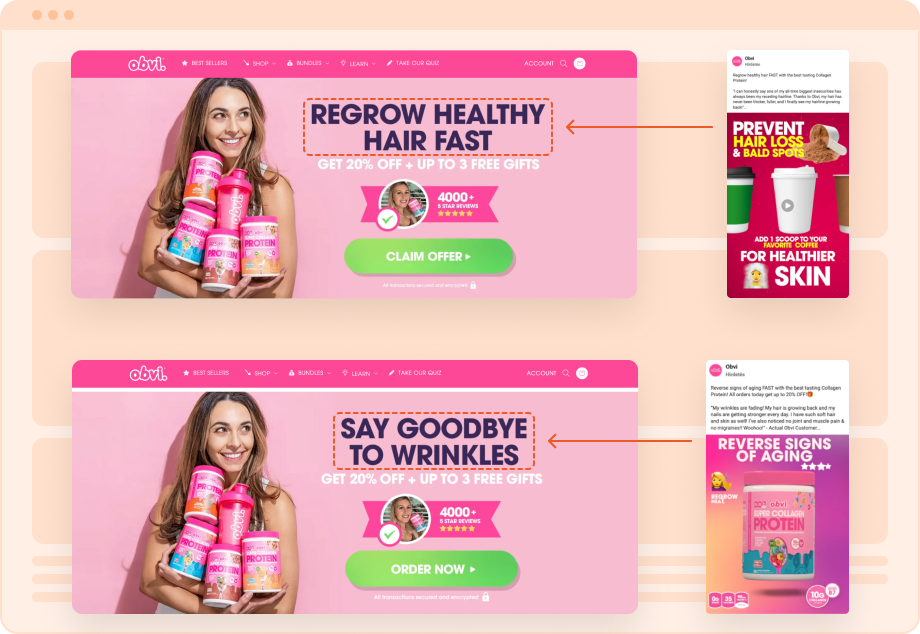
AI personalization for email: timing, copy variations, and offer selection
Email is where small gains stack. You rarely need a full rewrite. You need the right message at the right moment.
- Timing: send when the recipient historically engages, not “Tuesday 10am.”
- Copy: choose 1 of 3 value props based on clicked topics.
- Offer: demo vs calculator vs case study depending on intent signals.
Conversational AI: chatbots and AI agents for personalized experiences
Chats work because they ask, listen, and adapt. This is often the fastest route to a personalized next step.
- Ask 1–2 questions instead of a long form.
- Use context (page, company, return visit) to personalize the opener.
- Route high-intent leads to booking, and give others a helpful path.
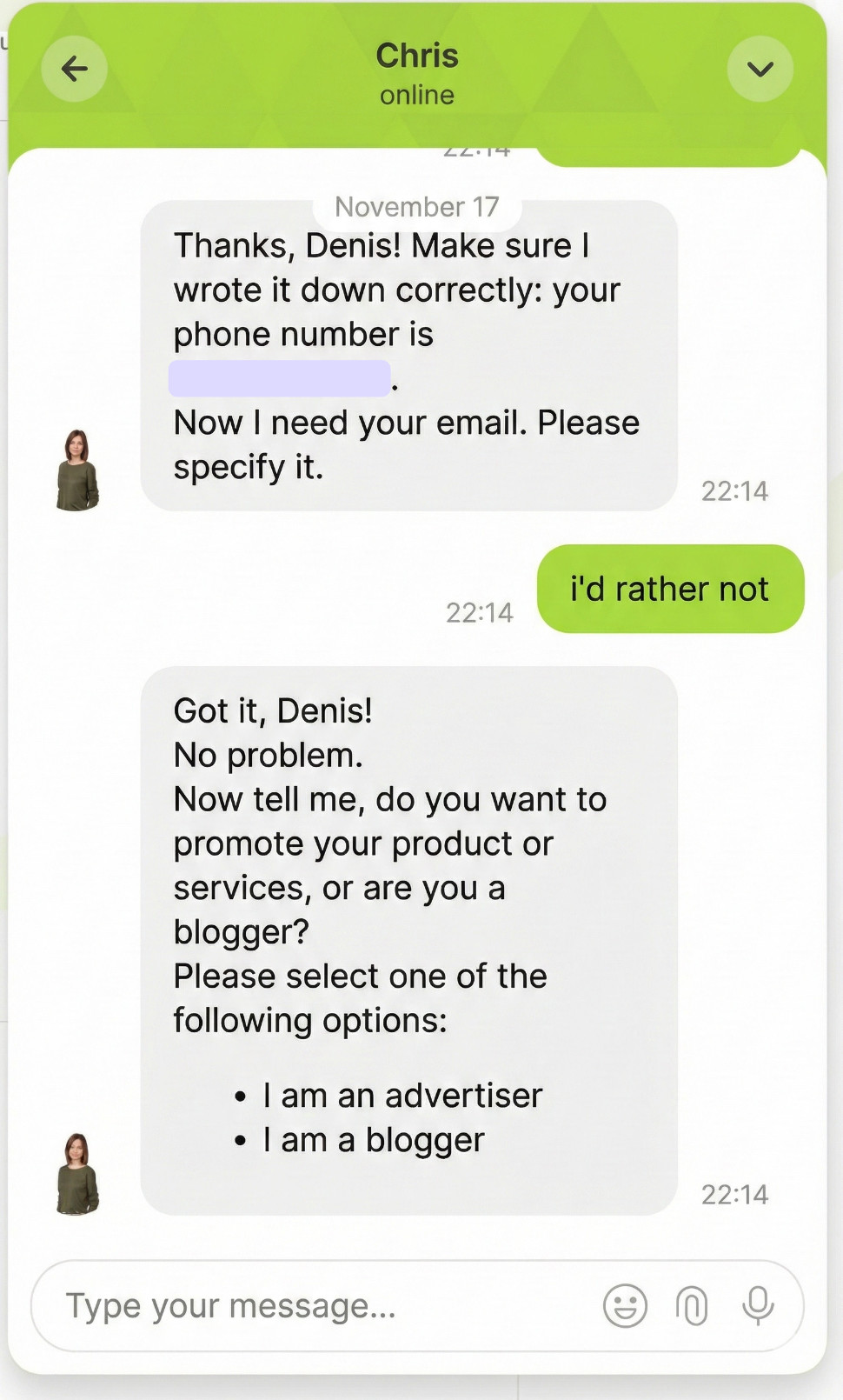
Here’s how Dashly’s AI agent leverages user data in qualification:
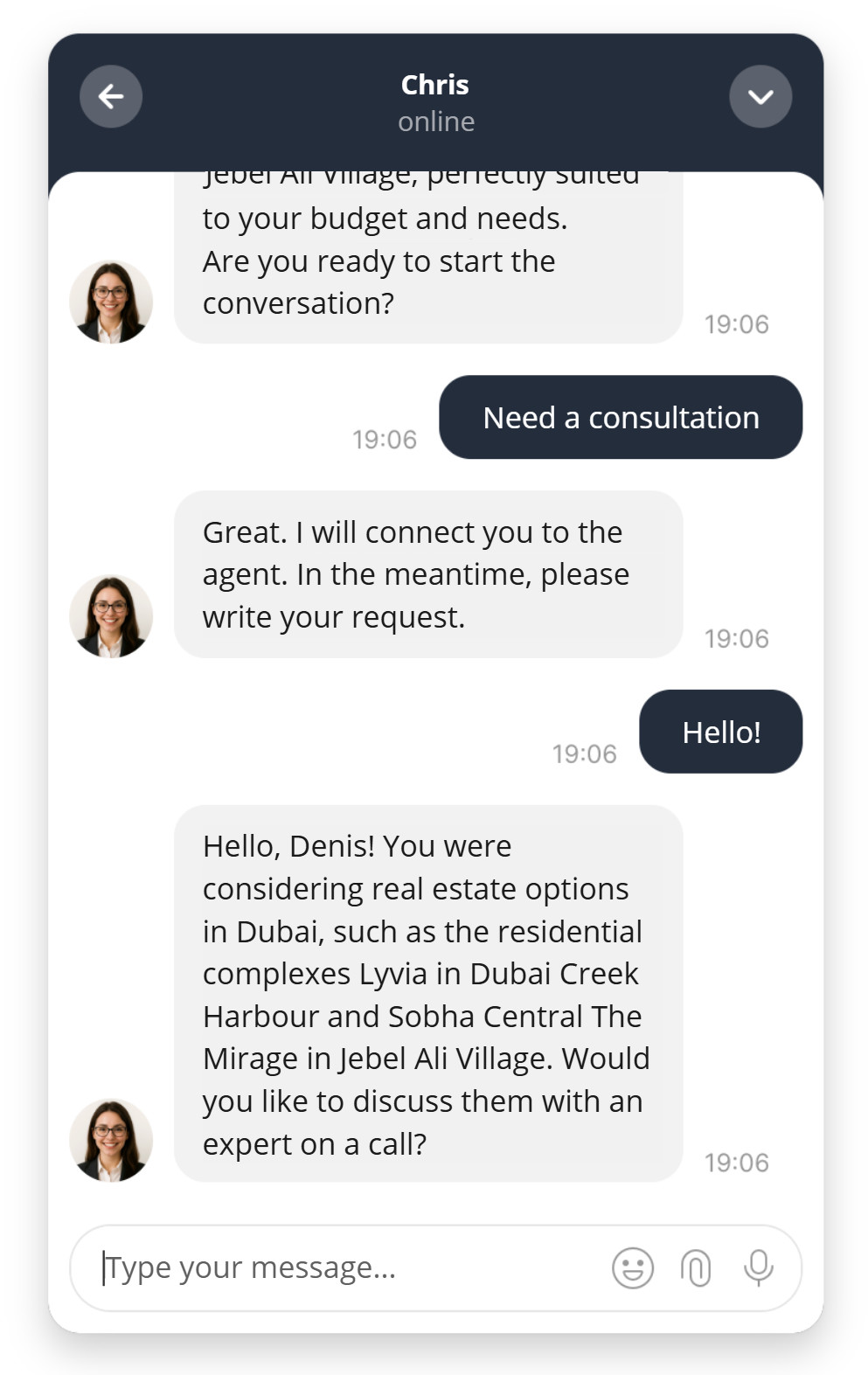
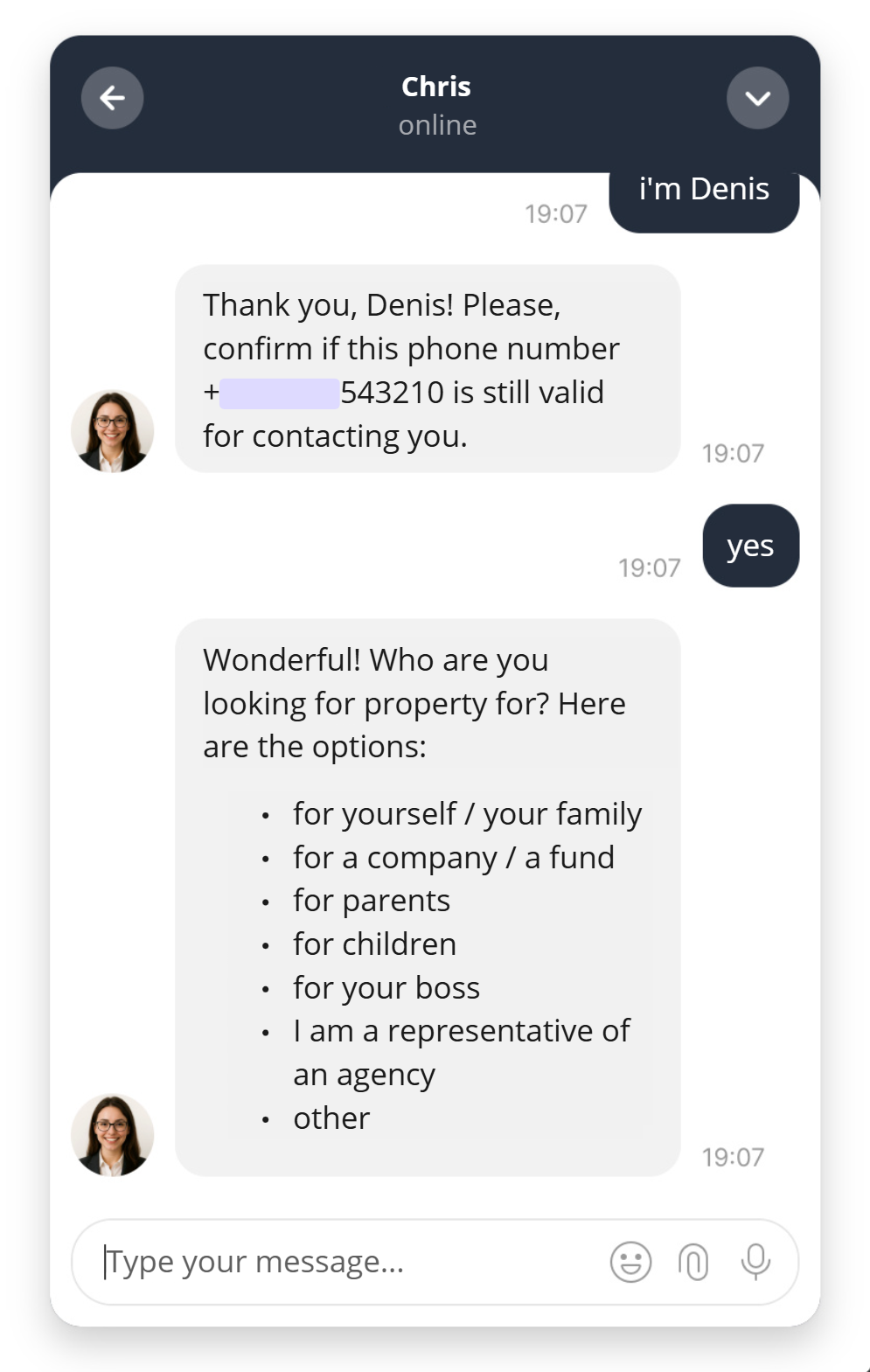
It reduces the friction in the qualification process to make a user’s journey smoother.
Predictive churn-risk offers inside an in-app paywall (upgrade message changes by usage)
Retention is also marketing personalization. A generic paywall pushes people away. A contextual one explains “why now.”
- If usage drops, show a “quick win” workflow instead of an upgrade.
- If power usage spikes, show an upgrade with the exact limit being hit.
- If a team stalls, offer onboarding help before discounting.
AI-based personalization vs rules: what to automate first
If you’re choosing between rules and AI-based personalization, don’t start with “replace everything with AI.” That usually leads to brittle automation and awkward messaging.
Start smaller. Start where user behavior is loud.
Those moments are already telling you what the buyer wants. Your job in personalization marketing is to respond quickly, with the least amount of guessing.
Start with high-signal moments (pricing page visits, intent spikes)
High-signal moments are actions that strongly correlate with conversion. They’re perfect for real time outreach because the buyer is already in decision mode right now.
A simple way to think about it: if a person is re-reading pricing, scanning security, or comparing you to a competitor, they are asking for reassurance. So give it to them.
Examples that work well:
- Pricing page revisit within 7 days → offer a plan recommendation or a demo slot.
- “Integrations” + “Security” page sequence → show compliance proof and an implementation timeline.
- Time-on-page spike on a competitor comparison → trigger a help chat: “Want the 2-minute difference summary?”
Move from static segments to predictive personalization
Static segments (“SMB,” “Enterprise”) age fast because people change faster than your taxonomy. Predictive personalization looks at patterns in user behavior and asks one question: What’s the most helpful next step for this person?
In practice, that means your system can choose between a few outcomes:
- If someone is likely to book, route them to booking instantly (no waiting for a sales rep to contact).
- If someone needs proof, surface the most relevant case study.
- If someone is not ready, offer a low-friction guide instead of pushing a demo.
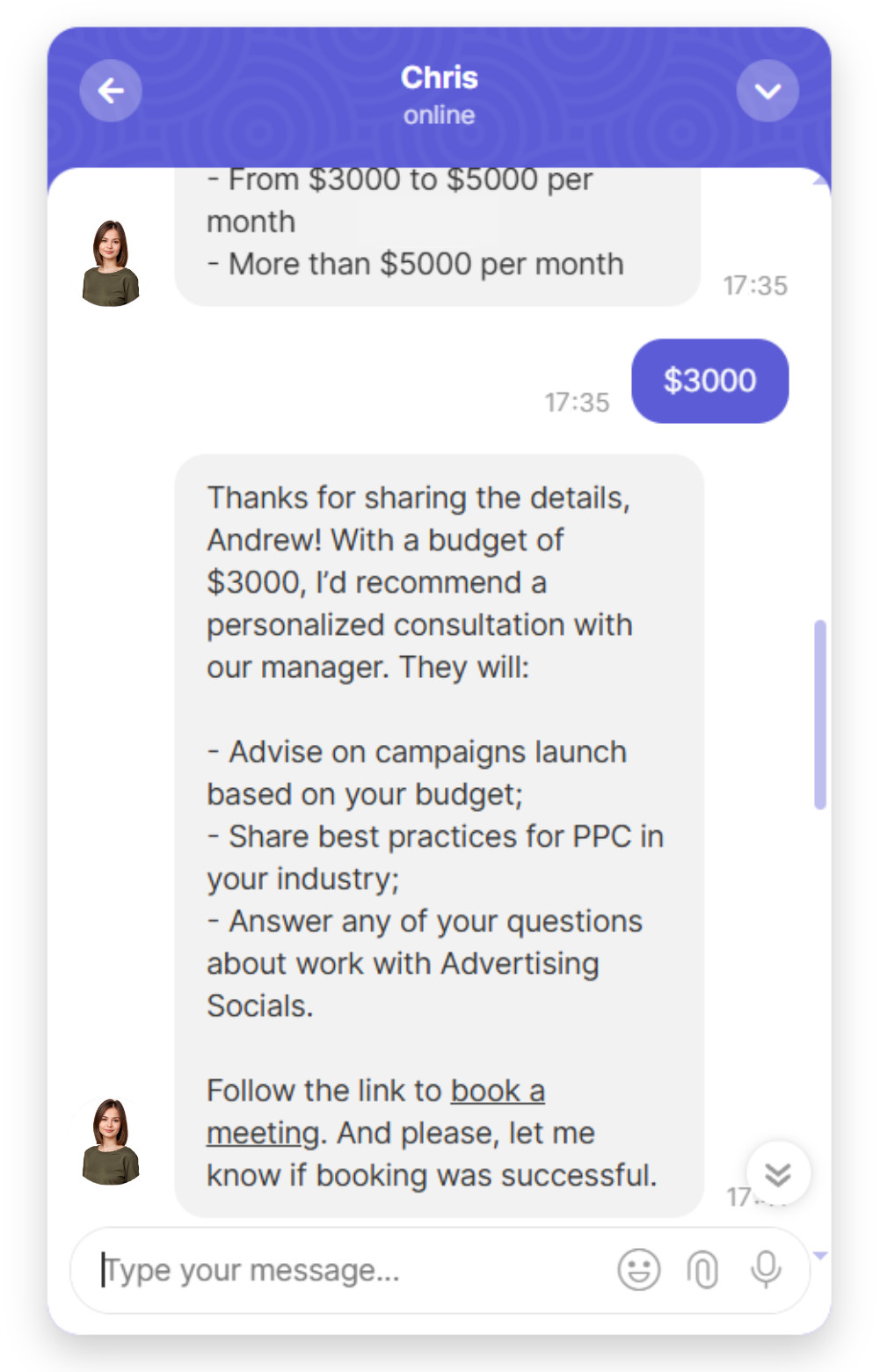
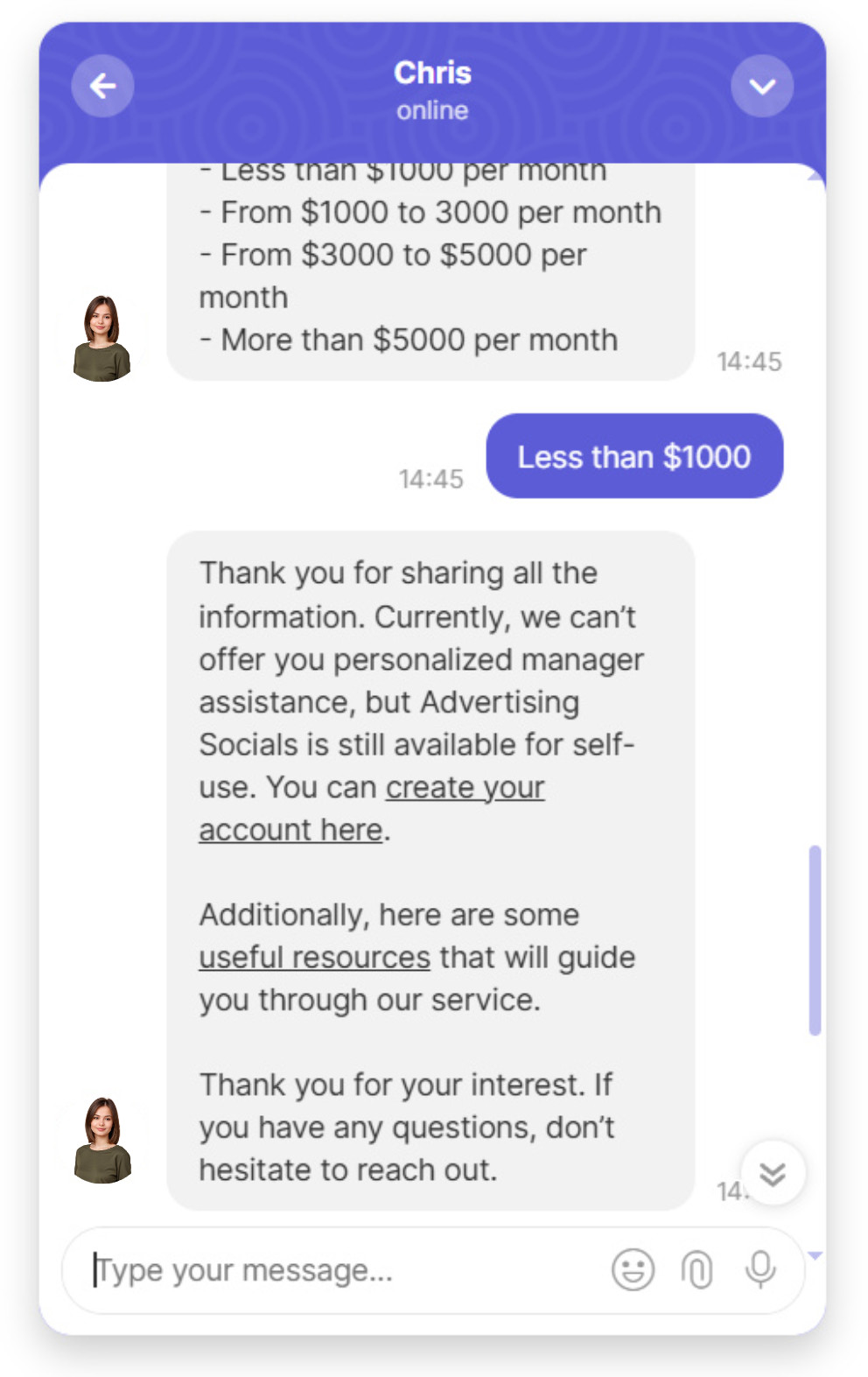
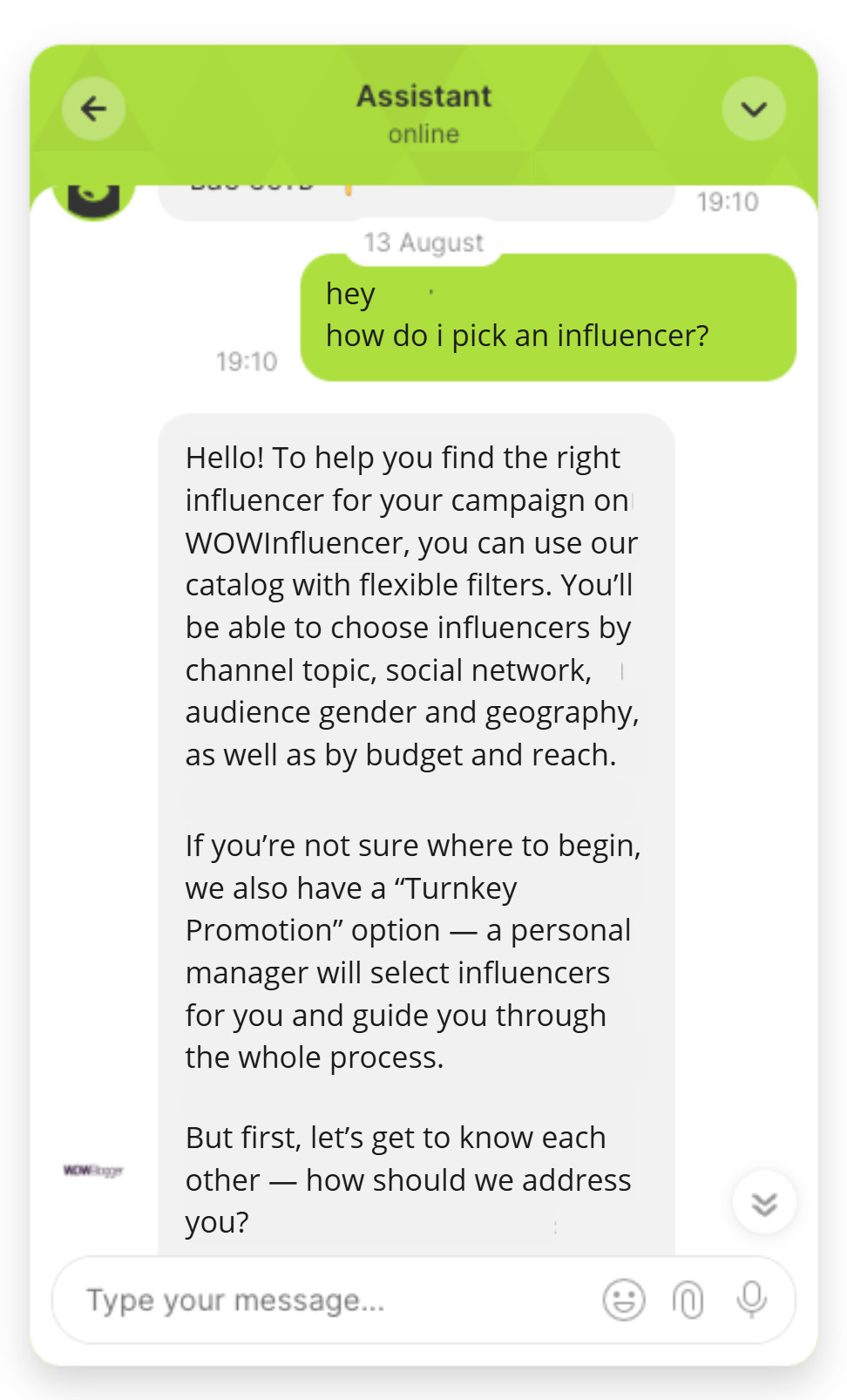
Here’s how Dashly’s AI agent changes conversation flow depending on whether a person is suited for a demo or not:
Guardrails: when rules still matter (compliance, brand voice, exclusions)
Rules are still your safety belt. They keep AI-based personalization from becoming creepy, risky, or off-brand.
Use rules to:
- Protect compliance by avoiding sensitive attributes.
- Keep brand voice consistent with approved claims and disclaimers.
- Suppress prompts for existing customers, support-only visitors, or churn-risk accounts.
That’s how personalization marketing stays fast, safe, and genuinely helpful.
Customer data foundation: what you need before scaling personalization
Before you scale personalization, get brutally honest about your customer data. AI can’t fix messy tracking. It will make the mess faster.
Data quality and data hygiene (events, properties, duplicates)
Start with a short analysis of what you collect today and what decisions it supports.
Then clean the basics. Standardize event names and the handful of key properties you rely on, so “Demo Booked” is not tracked three different ways across tools.
Next, tackle duplicates: multiple users per email, and anonymous plus known profiles that never merge.
Finally, define what “good enough” looks like for coverage on your top 10 money pages, because perfection is a trap.
Consent, privacy, and governance for sustainable personalization
Sustainable personalization needs trust. Tell customers what you collect, why you collect it, and how to opt out. Capture consent signals and make sure they are respected across every channel you use.
Skip sensitive attributes and “creepy” inferences, even if your models could do it. And assign ownership, so someone can approve new events, properties, and use cases before they hit production.
Measurement setup: attribution, experiments, and incrementality basics
If you can’t measure lift, you’ll end up optimizing vibes.
- Define KPIs by stage (for example, chat start rate, qualified leads, meetings booked, and show-up rate).
- Use A/B tests where possible and track incrementality for big changes.
- Keep one source of truth for reporting so Sales and Marketing can agree on what actually worked.
Metrics that prove AI-driven personalization is working
If AI-driven personalization is real, you should see lift in measurable behaviors. The trick is to connect what your customer sees (messages, offers, content) to what they do next, and to review results by campaigns, channels, and key segments.
Engagement lift: CTR, time-on-site, and content depth
Start with engagement because it’s the fastest feedback loop. Track:
- CTR on personalized modules (emails, in-app prompts, chat openers),
- time-on-site on high-intent pages,
- content depth (scroll depth, repeat visits, “next page” paths).
If engagement does not move, your personalization is probably not relevant.
Conversion lift: demo requests, sign-ups, and product activation
Conversion is where personalization earns its keep. Measure demo requests and sign-ups that can be attributed to personalized touchpoints, then follow through to activation milestones (first key action, integration connected, teammates invited). Use holdouts or A/B tests so your insights are incremental, not accidental.
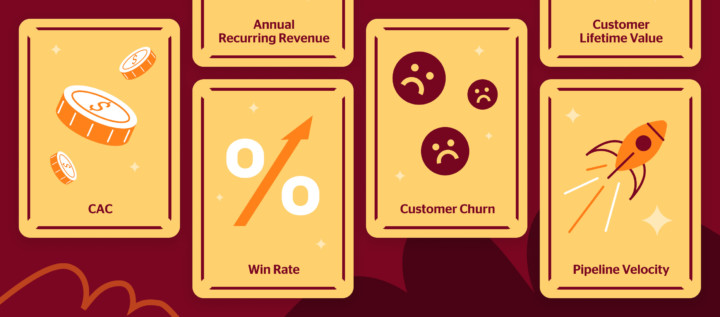
Retention lift: churn, expansion, and customer lifetime value
Retention proves long-term value. Monitor:
- Churn (logo and revenue),
- expansion signals (seat growth, upgrades),
- customer lifetime value trends after rolling out personalization.
The goal is simple: fewer “stalled” accounts and more customers who keep getting value over time.
Common challenges (and how to avoid “creepy” personalization)
The biggest risk with AI-powered personalization is scaling the wrong pattern until your experiences feel annoying or invasive.
Overfitting and bias: when AI personalizes the wrong thing
Overfitting happens when models learn a shortcut that looks predictive in the data, but fails in real life.
Classic example: a visitor reads one security article and suddenly every page screams “SOC 2.” Biased training data can amplify this, especially if you mostly learn from high-intent customers and ignore everyone else.
Fix overfitting by restricting what the model can optimize, auditing recommendations by segment, and using holdouts so you can see whether the lift is real.
Data silos and tooling sprawl: why “more tools” can reduce personalization
More tools often means more versions of the truth. When web analytics, product analytics, CRM, and messaging platforms each store partial profiles, AI ends up personalizing off fragments.
Unify identity, pick one decision layer, and treat new data sources as “add only if it changes decisions.” Cleaner input usually beats more input.
Trust: transparency, frequency caps, and respectful user behavior modeling
Trust is your growth lever. Tell customers why they see a message. Cap frequency so “helpful” does not become spam.
That’s how personalization stays human, even when AI is doing the heavy lifting.
How Dashly supports AI personalization marketing for SaaS teams
Dashly is a data-driven AI agent platform for B2B SaaS companies that automates the inbound funnel from first visit to booked meeting. In practice, that means marketing personalization is not just “dynamic copy.” It is the ability to react to what a visitor is doing right now, using real customer data, and turn that moment into qualified leads.
Turn product + website signals into real-time personalized conversations
Dashly’s Lead Profile combines first-party signals (page views, repeat visits, pricing intent, form submits) with CRM context, so the next message makes sense. Then the AI Engagement Agent starts a conversation when intent is highest, for example on pricing, integration, or case pages.
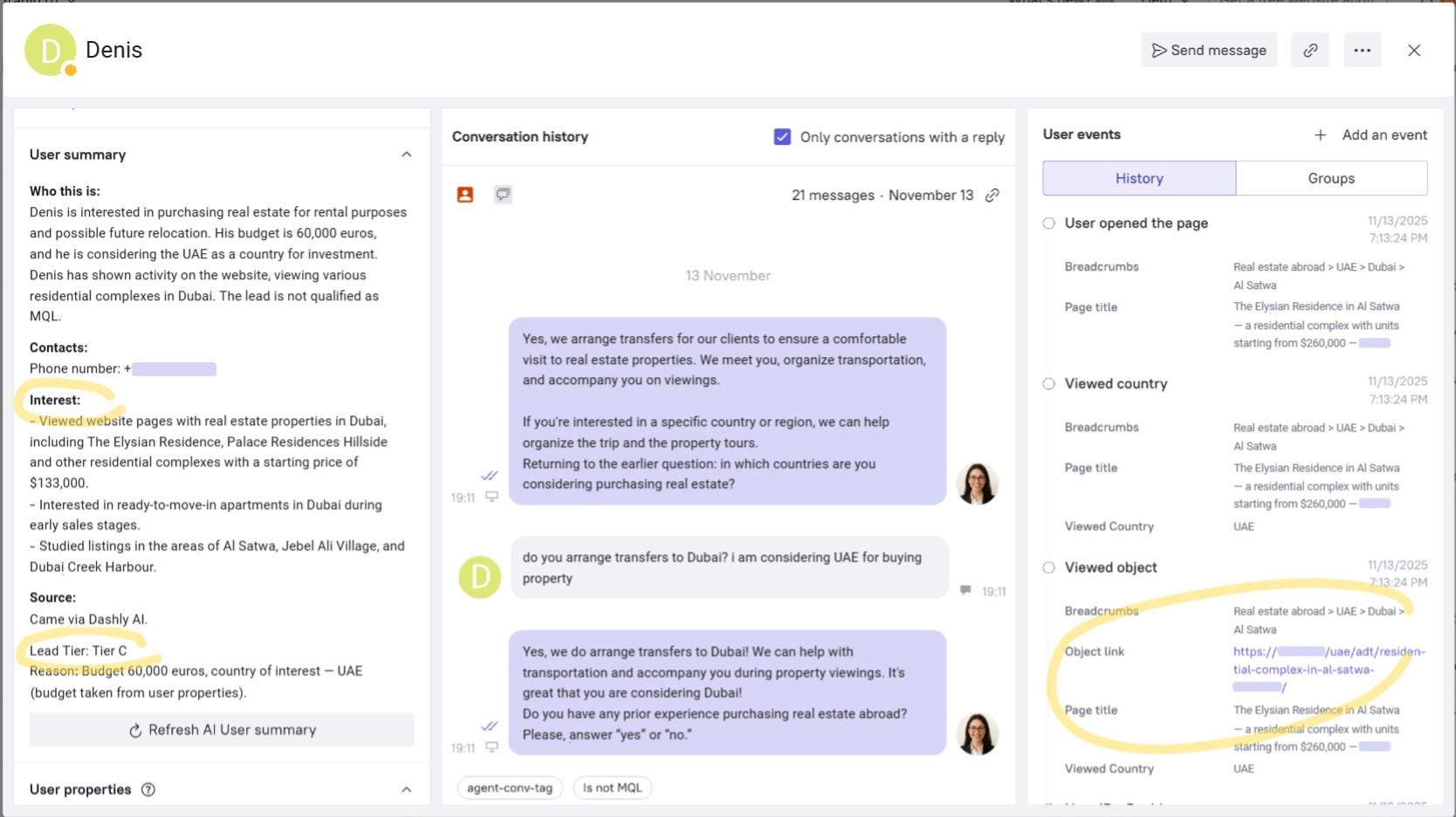

One rule keeps this from getting creepy: keep the opener grounded in behavior, not guesses. If someone is comparing plans, offer a plan-fit prompt. If someone is re-reading a case study, offer the “how it works” summary.
Personalize key touchpoints: website messages, inbound qualification, and meeting booking
Once the conversation starts, Dashly continues the same thread instead of sending users to five different tools.
The AI Qualifier & Support agents answers product questions and qualifies inbound leads in the same dialogue, then passes the right fields to the CRM. The agent schedules meetings and follows up with reminders across channels to improve attendance.
And this is not theory. Dashly customers report outcomes like 82% conversion from chat to meeting booking and 60–90% show-up rate after implementing the agent flow (Engagement → Qualification → Booking → Nurturing).
Use AI insights to create personalized marketing strategies (without heavy ops)
Want better marketing personalization without building a giant ops machine? Start with two things: context and feedback.
Dashly builds a single Lead Profile from first-party customer data (website behavior, CRM history, product usage, enrichment). That way the AI agents do not ask the same questions twice. They can start with what is known, then fill only the missing gaps.
Next comes the feedback loop. With AI metrics, you can see exactly where inbound leads drop (engaged → qualified → booked → showed). Then you iterate playbooks like a product team: adjust the opener, tighten qualification questions, or change the booking flow, and watch the impact by stage.
Dashly example workflow (from visit → lead profile → qualification → booking → show)
A visitor reads an article and opens the pricing page twice. Dashly updates the Lead Profile and flags high intent. The AI Engagement Agent starts a relevant conversation, the AI Qualifier & Support asks 2–4 questions, and the AI Booking Agent schedules the meeting. After that, the AI Nurturing Agent sends reminders across channels to improve show-up rate, and the whole path is tracked in your CRM.
What to launch first with Dashly (quick wins in 2–4 weeks)
Launch Engagement on high-intent pages, add the Qualifier with ICP criteria and CRM sync, then turn on booking plus reminders. Review metrics weekly and keep improving prompts and handoff rules.
Getting started: a simple roadmap to create personalized marketing strategies
Here’s the simple roadmap: pick one outcome, launch one use case, and measure lift. That’s how personalization becomes a revenue lever, not a never-ending project.
Step 1: define outcomes and pick 1–2 flagship use cases
Start with the business result (meetings booked, qualified leads, activation), then choose 1–2 moments where intent is obvious. Think pricing-page revisits, demo objections in chat, or industry-specific proof on landing pages.
Step 2: align customer data, tracking, and content inventory
Next, map the minimum customer data you need for those moments. Make sure events are tracked, profiles are unified, and you actually have the content you plan to personalize (case studies, comparison pages, onboarding assets).
Start small, prove value, and scale what works
Let AI personalization earn the right to expand. Run a clean test, validate incremental lift, then roll the winner to adjacent pages, segments, and channels.
Choose tools that keep personalization real-time and measurable
Prioritize tools that react in real time, integrate with your CRM, and expose clear reporting. If your stack can’t answer “what changed?” your ai will not save it.
Conclusion: how to make AI personalization sustainable
Sustainable AI personalization is a system: clean data, clear guardrails, and continuous measurement. Keep personalization respectful, test what moves pipeline, and scale only what works. That’s how personalized marketing stays helpful for every customer.
FAQ on AI marketing personalization
AI personalization in marketing uses AI to turn customer data and real-time behavior into relevant messages, offers, and experiences across web, email, ads, and chat.
A practical rule of thumb: about 10% is the AI model, 20% is data and tooling, and 70% is people and process, like goals, governance, testing, and rollout.
Most marketing teams use machine learning for prediction and ranking, plus generative AI (LLMs) for copy, chat, and content variations. The best setups combine both.