Best AI B2B Sales Tools: Complete guide to AI instruments for B2B sales in 2026
 33 minutes
 20.01.2026
The B2B sales landscape has exploded with AI solutions. Finding the best AI B2B sales tools feels overwhelming.
According to Sopro’s 2026 research, 88% of B2B companies now use AI for prospecting, signaling that the adoption is spreading. Yet many struggle with tool sprawl and unclear ROI.
This guide is designed for B2B companies and sales teams facing common pain points:
- Slow lead response times,
- Inefficient prospecting,
- Difficulty scaling personalized communications with leads.
Whether you’re looking to automate lead qualification, improve forecast accuracy, or enhance sales tools performance, we’ll walk you through proven categories, specific platforms, and a practical framework for building your AI sales stack.
For a structured, side-by-side comparison organized by funnel stage, see our AI sales tools directory.
Why best AI B2B sales tools matter in 2026
AI has moved from “nice-to-have” to “must-have” in B2B sales
By 2026, AI sales technology has become the baseline. Not optional anymore.
According to Gartner’s 2025 research, 80% of B2B sales interactions will occur in digital channels powered by AI by 2026б spanning qualification, engagement, and pipeline conversion. Those who don’t are experiencing measurable disadvantages in deal velocity and win rates.
The shift is clear. AI is no longer experimental. Top-performing sales teams use AI to respond faster, personalize at scale, and make data-driven decisions that consistently outperform intuition.
Without AI capabilities, sales teams struggle to compete on three critical fronts: speed, forecast accuracy, and the level of personalization buyers now expect.
Key challenges B2B sales teams face without AI
Sales teams operating without AI face mounting pressure. The inefficiencies directly impact revenue.
Here’s what happens:
- Slow inbound lead response: Manual triage means leads wait hours or days for first contact. Drop-off rates spike dramatically.
- Poor pipeline visibility: Without predictive analytics, teams lack clarity. Deal health remains unclear. Revenue forecasts become guesswork.
- Excessive manual work: According to Salesforce research, sales reps spend just 28% of their week actually selling. With over 70% consumed by administrative tasks like deal management and data entry.
- Inconsistent lead quality: Manual qualification leads to wasted effort on low-fit leads. High-intent prospects slip through the cracks.
These challenges compound quickly. The result? Longer sales cycles, lower conversion rates, and burned-out sales teams.
What you’ll learn in this guide about best ai b2b sales tools
Our article equips you with everything needed to build an effective AI sales stack.
You’ll discover:
- Category breakdown: Understand the distinct types of AI sales tools and where each fits in your workflow.
- Best-in-class solutions: Detailed reviews of top platforms across lead generation, conversation intelligence, predictive sales, and engagement.
- Implementation roadmap: Step-by-step guidance for evaluating, piloting, and scaling best ai b2b sales tools.
- Common pitfalls: Learn from mistakes other B2B companies have made and how to avoid them.
- Integration strategies: How to align AI tools with your existing tech stack and team processes.
What are AI B2B sales tools?
AI tools for sales vs classic sales tools
AI tools for sales represent a fundamental evolution. They go beyond traditional sales tools like CRM systems and email sequencers.
Classic tools automate repetitive tasks based on fixed rules you program. AI sales platforms go further. They learn from data patterns, make predictions, and adapt their behavior based on outcomes.
Consider this example: A traditional CRM tracks deal stages. An AI-powered revenue intelligence platform analyzes historical deal data to predict which opportunities will close and recommends specific actions to increase win probability.
The core difference? Decision-making.
AI doesn’t just execute your instructions. It analyzes complex data and provides intelligent recommendations.
How AI sales tools use data to improve decisions
Modern sales AI platforms leverage multiple data sources to generate actionable insights.
What kind of data?
- Website visitor behavior,
- CRM interaction history,
- Email engagement patterns,
- Call transcripts,
- Third-party intent signals.
These diverse data streams feed machine learning models. The models develop sophisticated understanding of buyer patterns.
The key capabilities include:
- Predictive lead scoring that identifies which prospects are most likely to convert,
- Next-best-action recommendations that guide reps through optimal outreach sequences,
- Forecasting engines that analyze pipeline health in real-time.
By continuously learning from outcomes, these systems improve accuracy over time. They deliver increasingly precise guidance to sales teams.
General-purpose AI vs purpose-built sales platforms
It’s important to distinguish between two types of AI.
General-purpose AI models like ChatGPT, Claude, or Gemini excel at content generation and research. But they lack deep integration with your sales systems and workflows. They don’t have access to your CRM data. They can’t trigger actions in your tech stack. They don’t understand your specific sales process.
Purpose-built sales platforms are different. They’re architected specifically for revenue operations. They offer native CRM integrations, compliance features, and sales-specific models trained on B2B buying patterns.
For tactical writing tasks, general AI is useful. For core pipeline management, forecasting, and lead qualification, specialized sales platforms deliver dramatically better results.
Key benefits of AI in B2B sales
From manual tasks to automated sales workflows
Sales automation powered by AI eliminates the repetitive, low-value tasks that consume 60-70% of a typical rep’s day.
What gets automated?
- Meeting notes and CRM logging,
- Follow-up email sequences triggered by buyer behavior,
- Lead routing and assignment based on fit scores,
- Data enrichment that keeps contact records current.
This shift frees sales professionals to focus on high-value activities. Strategic account planning. Relationship building. Actual conversations.
According to SuperAGI research, AI users save an average of 12 hours per week. This time directly translates to more conversations and closed deals.
Better lead quality and higher close rates
AI-powered lead qualification transforms the quality of opportunities entering your pipeline.
Machine learning models analyze hundreds of signals to score each lead based on fit, intent, and timing. This means your team focuses energy on prospects most likely to convert rather than chasing cold leads.
Benchmark: According to Deloitte Insights 2024 research, companies using AI lead scoring see 20-30% improvement in conversion rates.
The impact extends beyond qualification:
- AI helps prioritize which leads to contact first,
- Personalizes messaging based on firmographic and behavioral data,
- Identifies the optimal channel for each prospect,
The result is consistently higher close rates and more efficient use of sales resources.
Stronger sales forecasting and pipeline visibility
Predictive sales analytics have revolutionized how sales leaders manage their pipeline.
AI examines historical deal patterns, rep activity levels, and external signals. It generates probability-weighted forecasts with 90%+ accuracy. This precision enables better resource allocation, earlier identification of at-risk deals, and realistic revenue commitments to stakeholders.
Modern platforms provide real-time pipeline visibility. They highlight which deals need attention. They suggest specific interventions.
The transparency and early warning systems these tools provide fundamentally change how sales organizations operate.
More productive and focused sales teams
The cumulative effect of AI-powered tools? Dramatically more productive sales teams.
When AI handles administrative overhead, provides clear prioritization, and delivers actionable insights, reps can focus on what they do best: building relationships and closing deals.
Companies implementing AI sales tools report that teams spend 40-50% more time in direct customer conversations. Burnout rates decrease.
The technology also levels up performance across your entire team. It surfaces best practices from top performers. It provides coaching recommendations. Junior reps ramp faster. Experienced teams close larger deals more consistently.
Types of AI B2B sales tools
Sales intelligence and B2B data platforms
Sales intelligence platforms serve as the foundation. They’re the bedrock of modern B2B prospecting and account research.
These tools aggregate and enrich company and contact data from thousands of sources. They provide comprehensive profiles of target accounts.
Beyond basic firmographics, advanced platforms deliver:
- Intent signals that indicate when companies are actively researching solutions,
- Technographic data showing what technologies prospects use,
- Organizational charts mapping decision-maker relationships.
This intelligence enables precise targeting and personalized outreach.
Without solid sales intelligence, other AI initiatives lack the quality data they need to function effectively. Leading platforms like Cognism, ZoomInfo, and Apollo provide the raw material that powers your entire sales engine.
AI lead generation and lead scoring tools
AI lead generation platforms automate the identification and qualification of potential buyers by analyzing real-time behavioral data and enriching lead profiles instantly.
These tools use machine learning to:
- Analyze which visitors on your website show buying intent based on behavior patterns
- Match anonymous traffic against B2B databases to reveal company names and firmographic data
- Automatically score each lead based on fit, behavior, and engagement signals
- Enrich profiles with comprehensive data from CRM, product usage, and third-party sources
Advanced AI lead scoring considers dozens of factors in real-time. Company size. Industry. Technology stack. Website engagement patterns. Content consumed. Intent signals. Historical interaction data.
This automation dramatically reduces the SDR burden of manual prospecting and qualification by handling the entire funnel from visitor identification through initial engagement and scoring.
Based on collected data, AI agents can engage inbound leads more effectively with contextual conversations. They gather additional qualification data through natural dialogue. They move only qualified leads down your pipeline while nurturing others until they’re ready. This ensures your sales team focuses exclusively on high-intent prospects rather than wasting time on unqualified inquiries.
Our own data shows that companies implementing data-driven AI lead generation see 77% of leads qualifying as MQL and up to 3.3x improvement in conversion from website traffic to booked meetings, with 66% of qualified leads coming through AI-initiated conversations.
Conversation intelligence and call analysis tools
Conversation intelligence platforms transform how sales organizations learn from customer interactions.
These tools automatically record, transcribe, and analyze sales calls and meetings. They extract actionable insights that improve performance.
The AI identifies:
- Successful talk patterns,
- Competitors and objections mentioned,
- Moments when deals go off-track,
- Customer engagement and sentiment.
Managers use these insights for targeted coaching. Reps review their own calls to improve technique.
The collective intelligence captured across hundreds of conversations reveals what messaging resonates, which questions advance deals, and how top performers navigate objections. Tools like Gong, Chorus, and Fireflies have made conversation intelligence a standard component of modern sales stacks.
Predictive sales and revenue intelligence platforms
Predictive sales and revenue intelligence platforms analyze your pipeline to forecast outcomes. They identify risks before they impact your number.
These sophisticated systems examine:
- Deal velocity,
- Stakeholder engagement,
- Competitive dynamics,
- Historical patterns.
They calculate win probability for each opportunity. They alert you to stalled deals. They suggest interventions to move opportunities forward. They roll up individual deal predictions into team and company-level revenue forecasts.
The platforms also provide diagnostic insights. Why did forecasts change? Which reps are trending up or down? Where do pipeline gaps exist?
This visibility transforms sales leadership from reactive to proactive. It enables strategic decisions backed by data rather than gut feel. Companies using predictive sales platforms consistently achieve more accurate forecasts and higher quota attainment.
Best AI tools for sales prospecting and research
Why AI prospecting tools matter for modern B2B sales
Manual sales prospecting simply cannot scale. Not in today’s environment.
With thousands of potential prospects to research and limited time, reps need AI to surface the highest-value targets and provide relevant context quickly.
AI prospecting tools:
- Analyze buyer signals across the web,
- Monitor job changes and company news,
- Identify accounts entering your ideal customer profile,
- Prioritize prospects showing active buying intent.
Without these capabilities, B2B sales teams waste countless hours on cold outreach to companies not in-market.
⚡ Performance gap: Companies with structured AI-powered prospecting processes see up to 40% higher conversion rates compared to manual approaches.
The intelligence gap between teams using AI prospecting and those relying on manual research is staggering.
LinkedIn Sales Navigator for targeted B2B prospecting
LinkedIn Sales Navigator remains the gold standard. It’s essential for identifying and connecting with prospects in the B2B world.
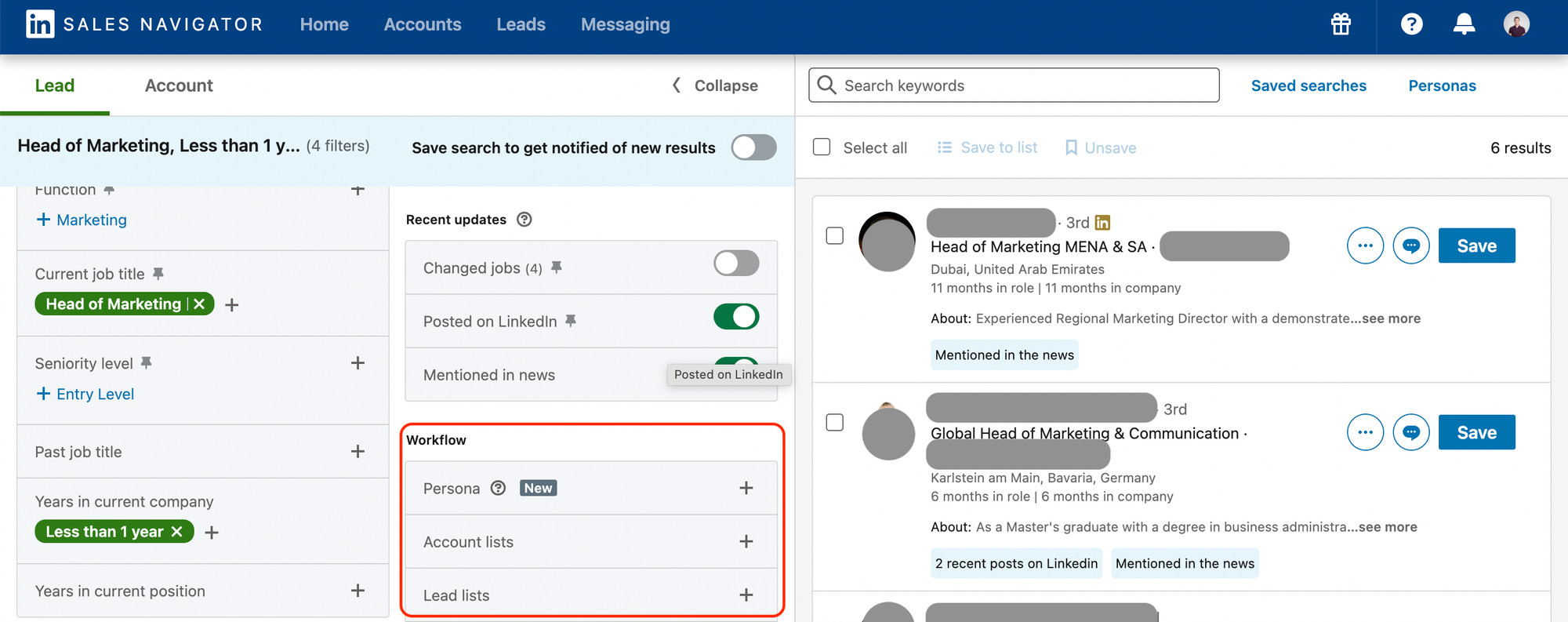
The platform’s AI-powered search and recommendation engine helps you find decision-makers that match your ideal customer profile with precision. Advanced filters enable targeting by company size, industry, role, seniority, and even technology usage.
Sales Navigator surfaces warm introduction paths through your network. It tracks account activity to identify buying signals. It alerts you when prospects change jobs or post relevant content.
The integration with CRM systems ensures your sales workflow stays connected.
For teams selling to mid-market and enterprise, Sales Navigator is essentially mandatory infrastructure. It’s the foundation for building a consistent prospecting pipeline.
Cognism: Premium solution for B2B sales teams
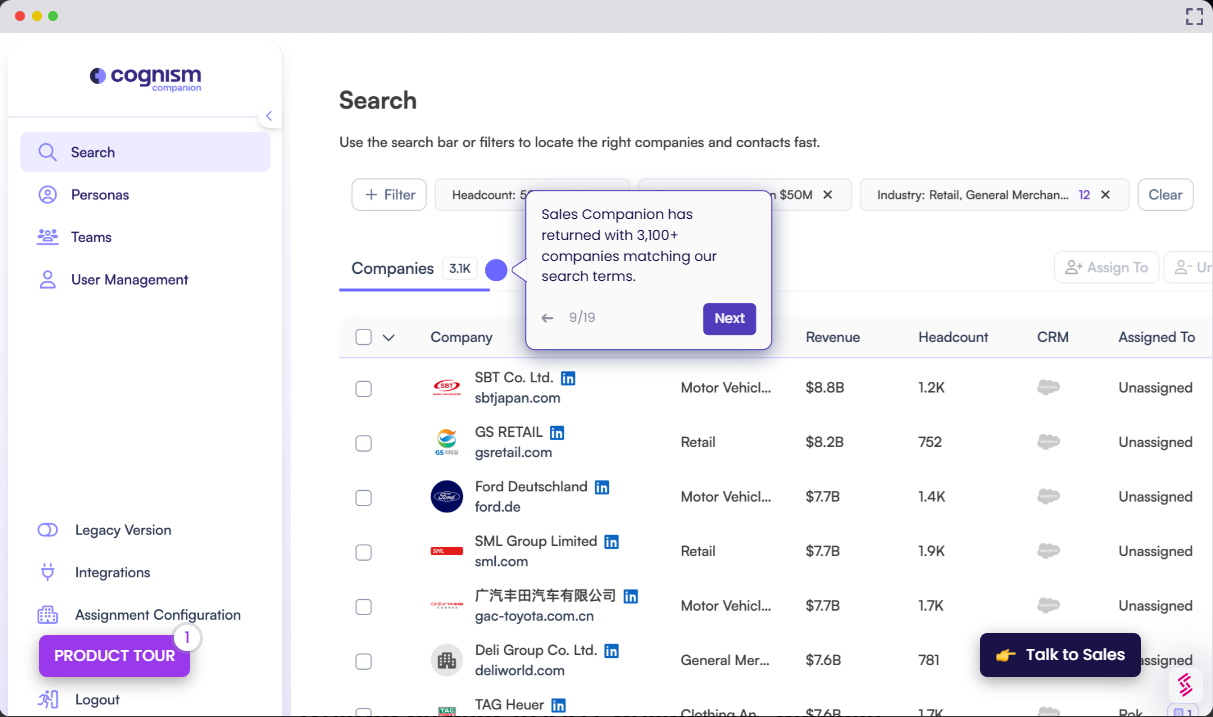
Cognism has established itself as the premium solution for B2B sales teams requiring verified, high-quality contact data.
The platform provides access to millions of verified B2B contacts across global markets. What sets Cognism apart is Diamond Data, a proprietary dataset offering mobile phone numbers with industry-leading accuracy.
Key capabilities:
- AI-powered search and intent signals: The Cortex AI engine analyzes buyer intent signals across the web. It identifies accounts actively researching solutions in your category. This enables sales teams to prioritize outreach to companies showing active buying signals.
- Comprehensive firmographic and technographic data: Complex queries combining firmographic, technographic, and intent data help you identify precisely your target accounts. The platform reveals technology stack details that enable personalized, relevant outreach.
- Chrome extension for real-time enrichment: The browser extension enriches leads as you browse LinkedIn, company websites, and other sources. You can instantly access direct dials and validated email addresses without leaving your workflow.
- CRM integration and automation: Native integrations with major CRM systems like Salesforce and HubSpot ensure seamless data flow. Automated sequences enable outreach at scale while maintaining personalization.
The platform is particularly valuable for enterprise sales teams targeting mid-market and enterprise accounts. The combination of data quality, compliance features (GDPR and CCPA), and global coverage makes Cognism a cornerstone tool for international sales organizations.
Apollo: All-in-one prospecting and engagement platform
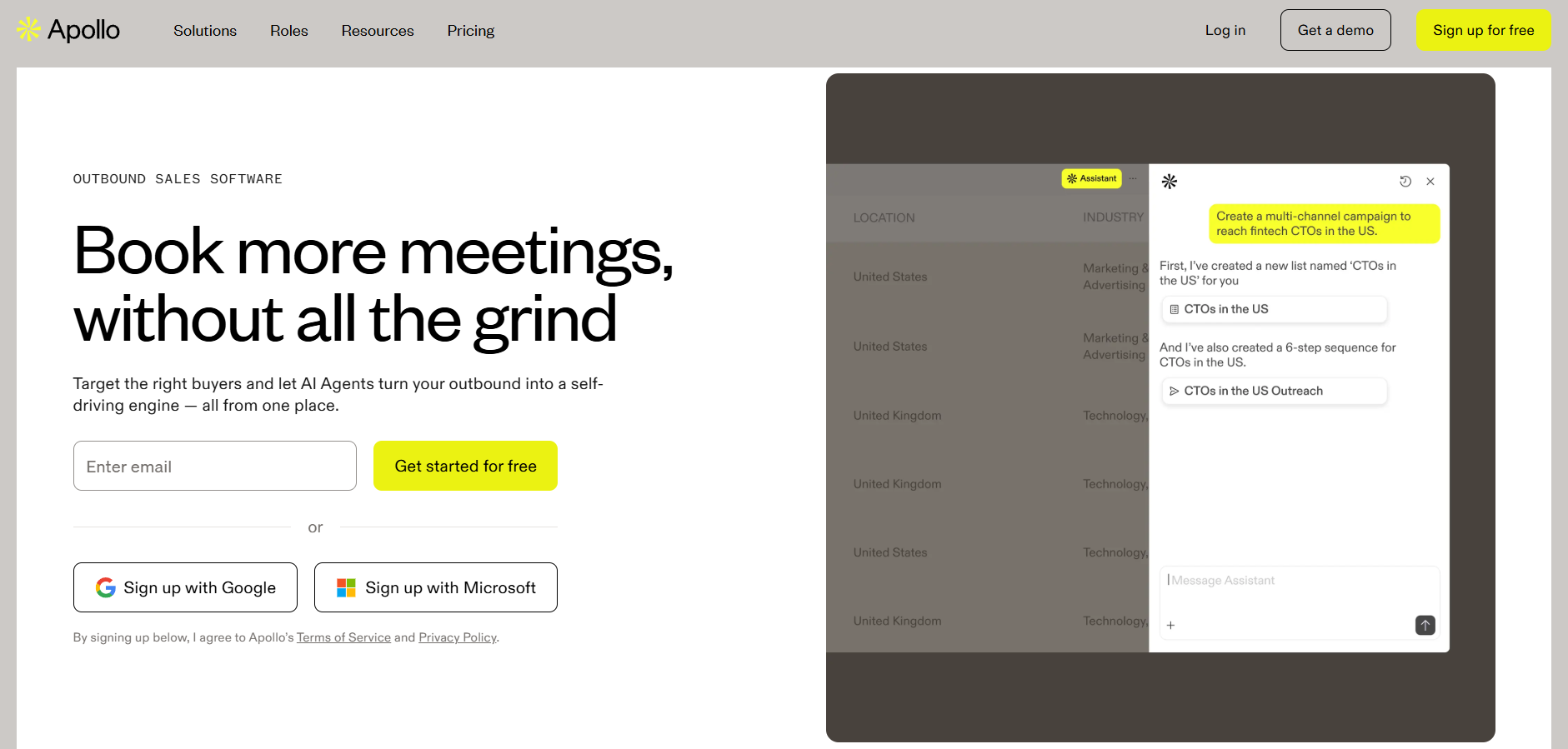
Apollo uniquely combines a massive B2B contact database with engagement capabilities. You get both the leads and the tools to reach them in one platform.
The platform provides access to over 270 million contacts and 70 million companies. Direct dials. Validated email addresses. Intent data. All in a single interface.
Key capabilities:
- Advanced AI-powered search: Build highly targeted prospect lists using sophisticated filters. AI-powered search enables complex queries combining firmographic, technographic, and behavioral data. You can identify prospects by job title, company size, industry, technology stack, funding stage, and dozens of other criteria.
- Extensive technographic insights: Apollo provides detailed technographic insights showing what technologies prospects use. This intelligence enables highly relevant, personalized outreach. You can target companies using specific tools, identify potential replacements, or find complementary product users.
- Chrome extension for instant enrichment: The Chrome extension enriches leads as you browse LinkedIn, company websites, or any web page. Instantly reveal contact details, company information, and engagement history.
- Automated sequences and outreach: Launch personalized automated sequences for outreach at scale across email and LinkedIn. Track engagement. Test different messaging approaches. Optimize based on response rates.
- Native CRM integration: Seamless integration with major CRM systems ensures your sales workflow stays connected. All activities, contacts, and engagement data sync automatically.
Apollo works particularly well for SMB and mid-market companies seeking an affordable, all-in-one solution. The platform eliminates the need to stitch together separate tools for data, enrichment, and outreach.
Best AI B2B sales tools for lead generation
Dashly: AI agents for inbound B2B SaaS funnels
Dashly stands out as a comprehensive AI agent platform purpose-built for inbound B2B SaaS lead generation.
Here’s what it looks like on the website. The AI agent qualifies a lead and then books meetings with MQLs (Marketing Qualified Leads) only:
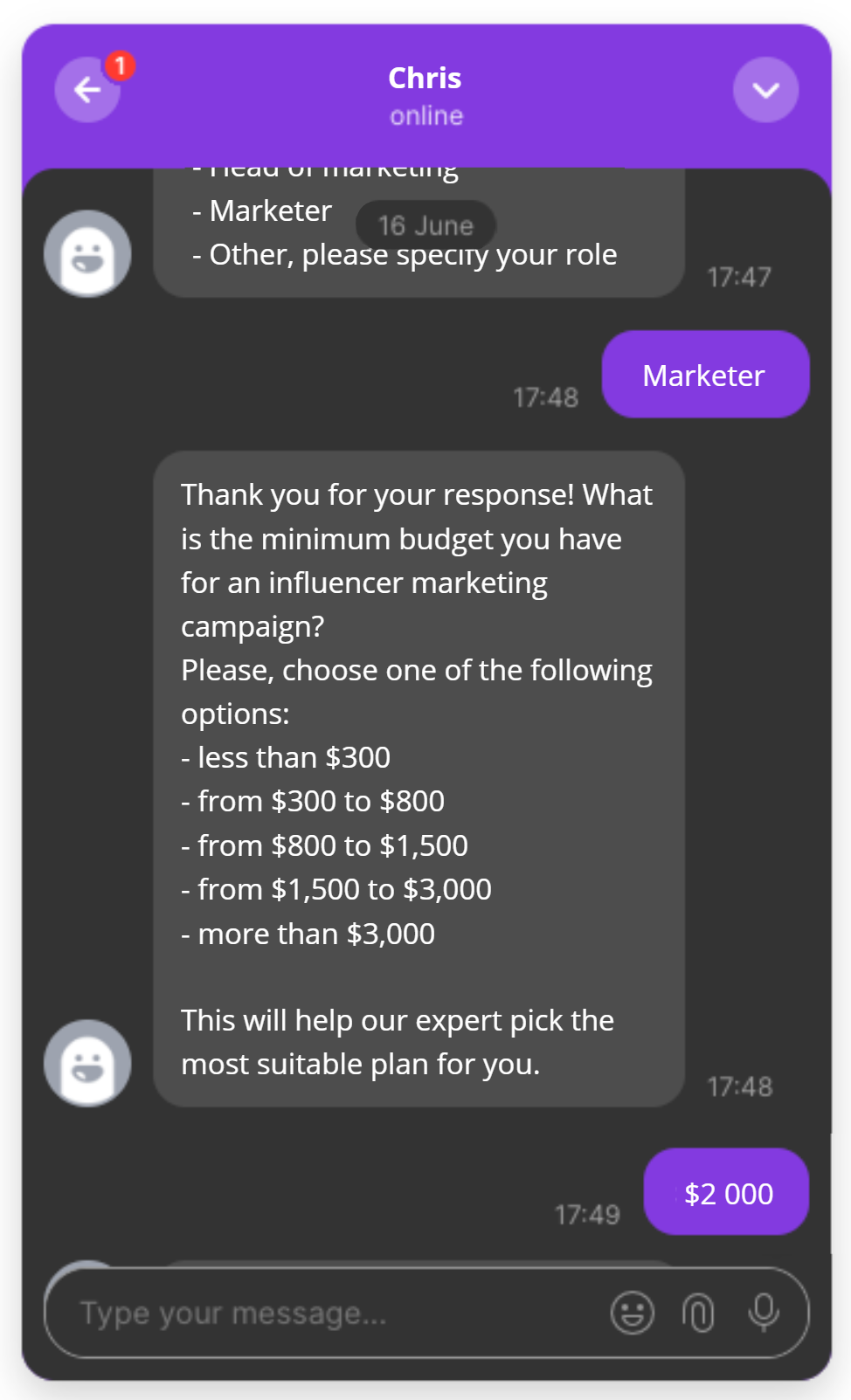
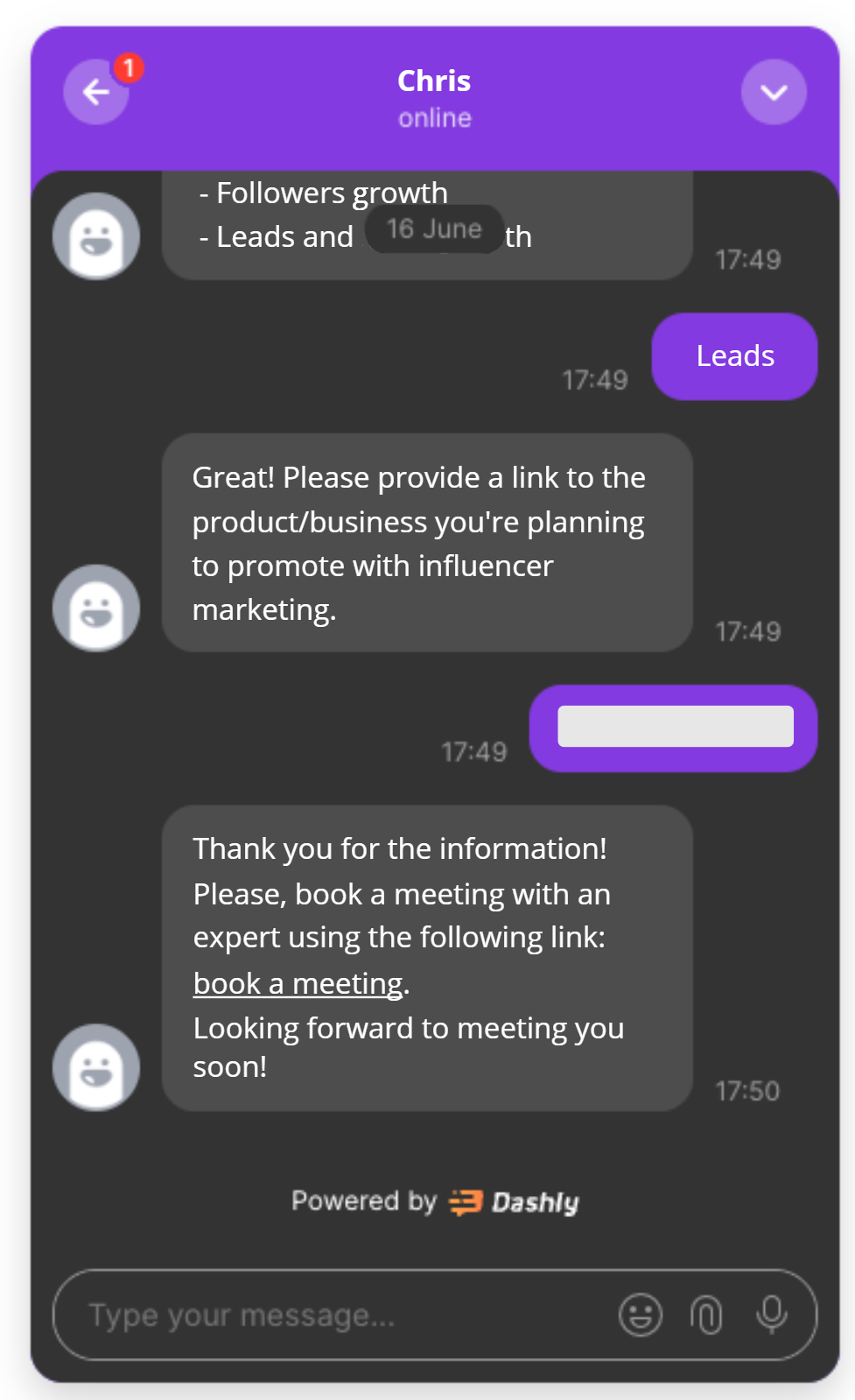
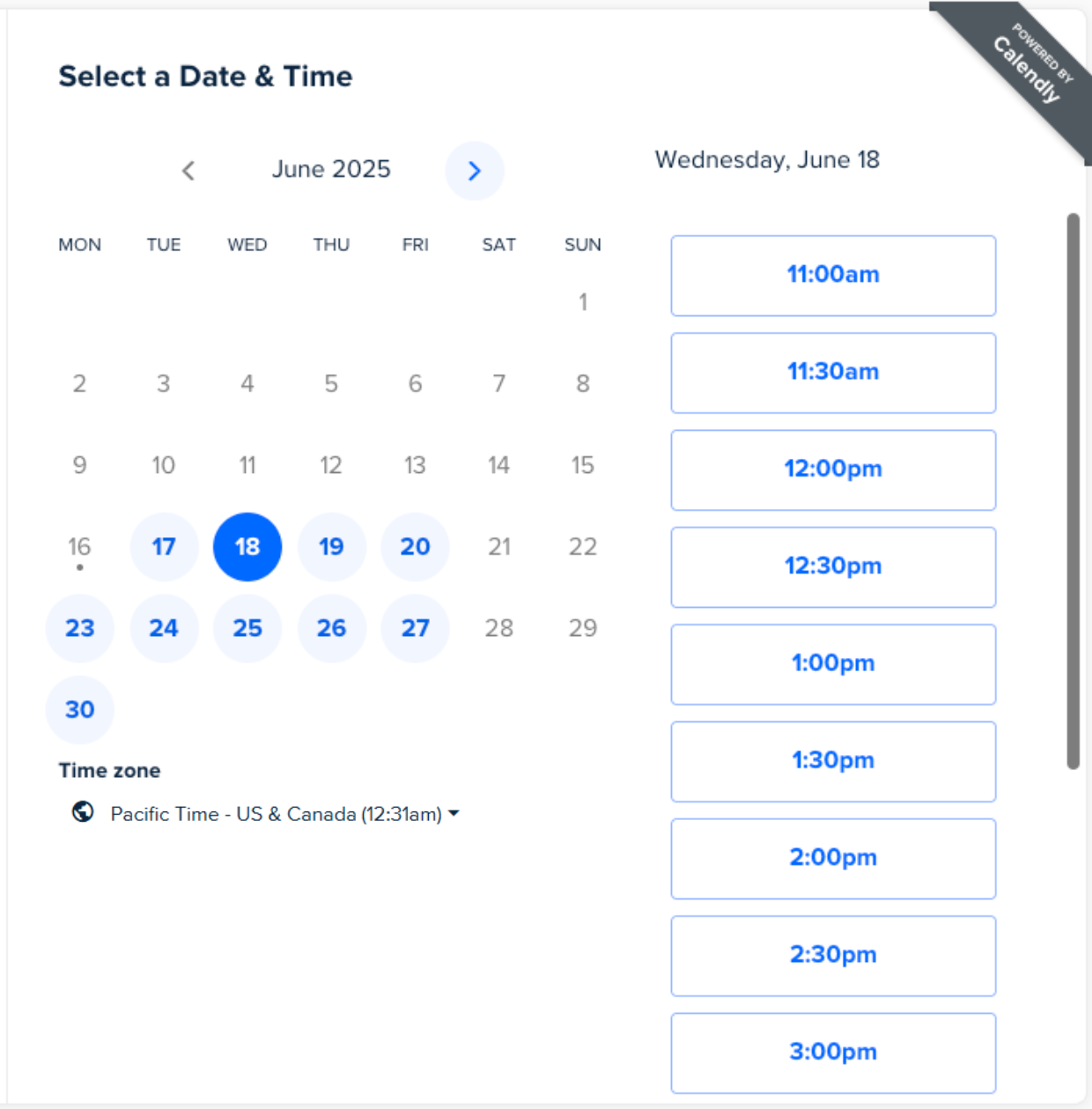
The platform deploys specialized AI agents that handle qualification, meeting booking, and nurturing across your website and messaging channels. Dashly’s agents leverage behavioral data and CRM context to deliver personalized conversations that convert visitors into qualified meetings.
The multi-agent approach assigns distinct roles:
- Insight Agent analyze visitor intent
- Engagement Agent initiate contextual conversations
- Qualifier Agent determine fit and readiness
- Nurturing Agent maintain relationships until prospects are ready to buy
📊 Real results sales teams see:
- 40-60% increases in meeting bookings
- 30-90% improvements in show-up rates
- 2x higher qualification rates compared to manual SDR processes
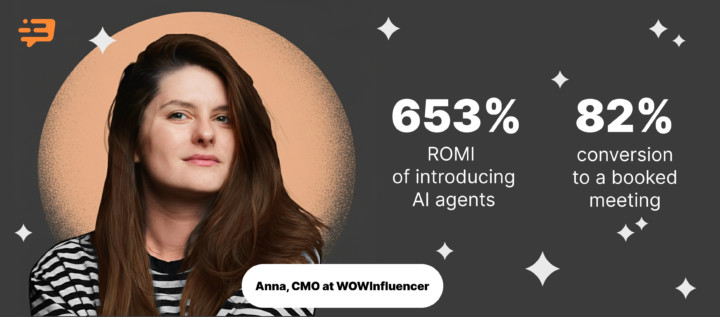
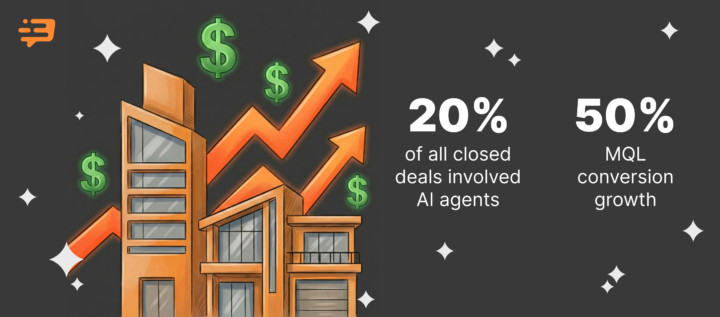
Read real customer stories to learn more about Dashly agents:
When to choose an AI agent platform for lead generation
AI lead generation through agent platforms makes most sense in specific scenarios:
✅ High inbound traffic: You receive 10,000+ website visitors monthly and lack bandwidth to engage them all
✅ SDR capacity constraints: Your teams can’t respond to inquiries within 5 minutes during business hours, let alone 24/7
✅ Complex qualification: You need to ask 8-10+ questions to determine if a lead is qualified
✅ Long sales cycles: Prospects need multiple touchpoints and nurturing over weeks or months before buying
✅ Resource optimization: You want to free 1-2 FTEs from repetitive qualification tasks for higher-value activities
If these situations describe your B2B business, AI lead generation agents deliver immediate, measurable ROI.

HubSpot, Salesforce Einstein and Drift for AI lead generation
The major CRM and marketing automation platforms have embedded AI lead generation capabilities. They work seamlessly within their ecosystems.
HubSpot’s AI tools automatically score leads based on behavior. They route inquiries to appropriate reps. They trigger personalized nurture sequences.
Salesforce Einstein predicts which leads will convert. It recommends optimal contact times. It generates email content.
Drift pioneered conversational marketing. It uses AI chatbots to qualify website visitors and book meetings instantly.
The advantage of these integrated platforms? Cohesion.
AI sales automation works natively with your existing workflows without custom integrations. For companies already invested in HubSpot or Salesforce ecosystems, leveraging their built-in AI capabilities delivers quick wins.
The trade-off? Specialized best-of-breed tools often provide more sophisticated AI models and features.
How AI lead generation tools fit into your sales pipeline
Understanding where AI lead generation tools operate in your sales pipeline ensures proper implementation.
These tools primarily function at the very top of the funnel. They transform anonymous website traffic into identified prospects with initial qualification.
The workflow typically follows this path:
- Anonymous visitor lands on your website
- AI identifies the company and assesses intent
- Automated systems enrich the visitor profile with contact data
- Qualification logic determines if they match your ICP
- Qualified leads are either routed to reps or entered into nurture sequences
This automated top-of-funnel processing ensures no potential opportunity slips through. It maintains consistent lead quality standards. It dramatically accelerates time-to-first-contact.
The output from AI lead generation feeds directly into your sales engagement and CRM systems. That’s where human reps take over for relationship building and closing.
Best AI B2B sales tools for sales intelligence & conversation intelligence
Gong: conversation intelligence and sales coaching
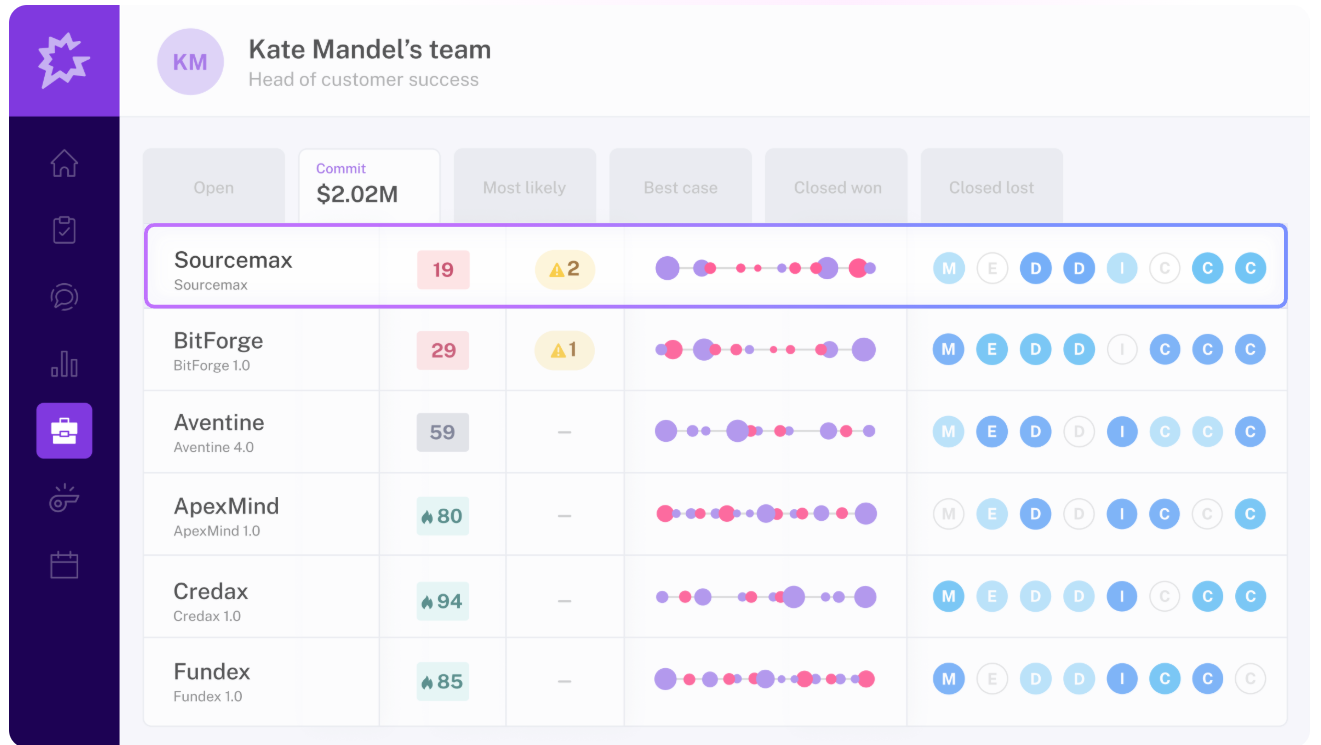
Gong pioneered the conversation intelligence category. It remains the market leader for sales teams seeking to improve performance through call analysis.
The platform records and transcribes all customer conversations. Calls. Video meetings. Emails. Then it applies AI to extract strategic insights.
Gong identifies:
- Which topics and questions correlate with won deals
- Competitor mentions and customer objections
- Moments where reps went off-script
- Talk-to-listen ratios and other engagement metrics
For sales managers, Gong provides unprecedented coaching visibility. It pinpoints exactly where reps need development.
The platform’s Deal Intelligence features predict which opportunities are at risk based on conversation patterns and stakeholder engagement.
For enterprise B2B sales organizations, Gong has become essential infrastructure.
Fireflies.ai: AI note-taking and meeting summaries
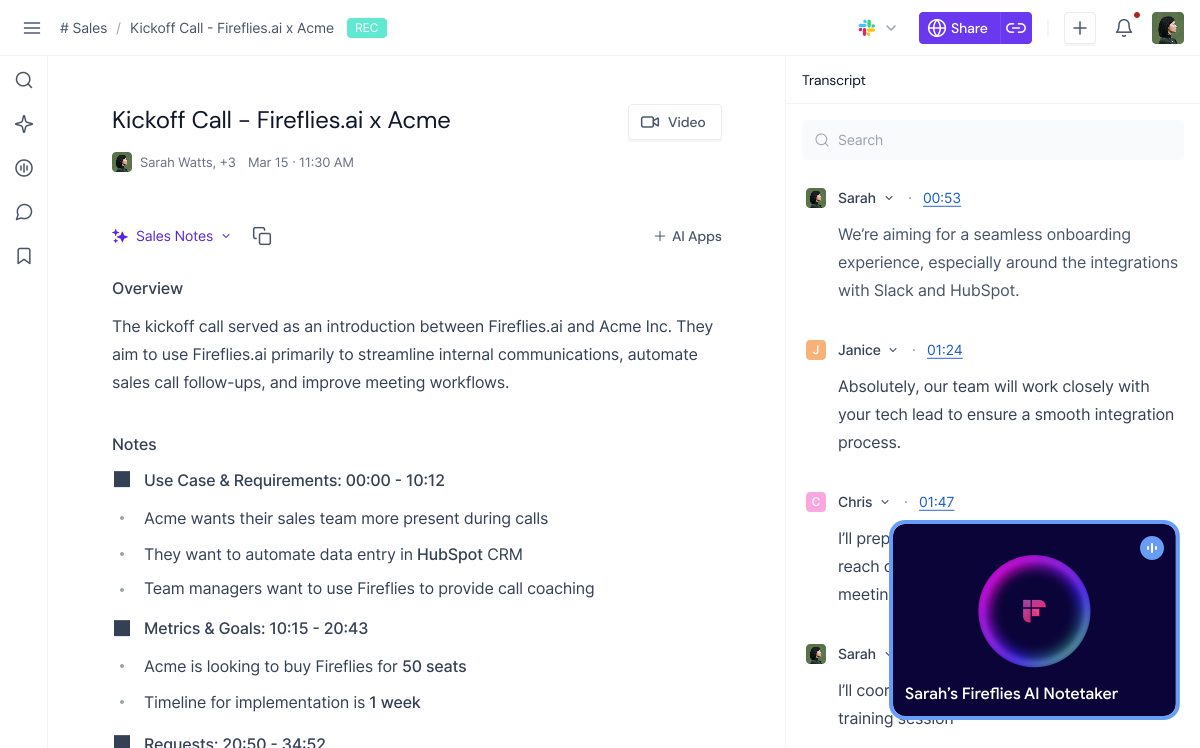
Fireflies solves one of the most time-consuming aspects of sales meetings: capturing detailed notes and action items.
The AI assistant joins your video calls. Records audio. Generates accurate transcripts. Creates structured summaries highlighting key discussion points, decisions, and next steps.
Fireflies integrates with major CRM systems. It automatically logs meeting data. It syncs action items.
The searchability is particularly valuable. You can query across all sales meetings to find when specific topics were discussed or what was promised to customers.
For teams conducting dozens of customer calls weekly, Fireflies eliminates hours of manual note-taking. It ensures critical data reaches your CRM reliably.
The free tier is surprisingly robust. Small teams can access it easily. Paid plans add advanced analytics and longer retention.
Empower, Rilla and other tools for call sentiment and field sales
While most conversation intelligence tools focus on inside sales, specialized platforms serve field sales and complex B2B environments.
Empower analyzes in-person meetings through audio recording. It extracts insights from face-to-face customer conversations that traditional tools miss.
Rilla focuses on retail and field environments. It captures sentiment and conversation quality across distributed sales teams.
These platforms provide:
- Sentiment analysis that gauges customer receptiveness,
- Competitive intelligence from field interactions,
- Coaching insights specific to in-person selling.
The AI identifies successful techniques used by top field reps. It surfaces patterns that predict deal success or failure.
For teams where the majority of customer interactions happen offline, these specialized tools capture critical conversation data that would otherwise be lost.
Using conversation intelligence data to improve sales playbooks
The real power of conversation intelligence emerges when you systematically use the data to refine your sales approach.
Here’s how to close the loop:
- Analyze winning calls to identify specific questions, phrases, and sequences that move deals forward.
- Extract objection handling techniques that successfully overcome buyer concerns.
- Measure customer engagement across different demo structures and pitch approaches to optimize your presentation.
- Update battle cards and competitive positioning based on how competitors are actually discussed in deals.
- Quantify which features resonate with which buyer personas to personalize your messaging.
This continuous feedback loop transforms your sales playbook from static documents into living guides based on what actually works.
Organizations that close this loop see sustained improvements in team performance as best practices scale across all reps.
Best AI B2B sales tools for predictive sales & forecasting
Clari: predictive revenue intelligence and forecasting
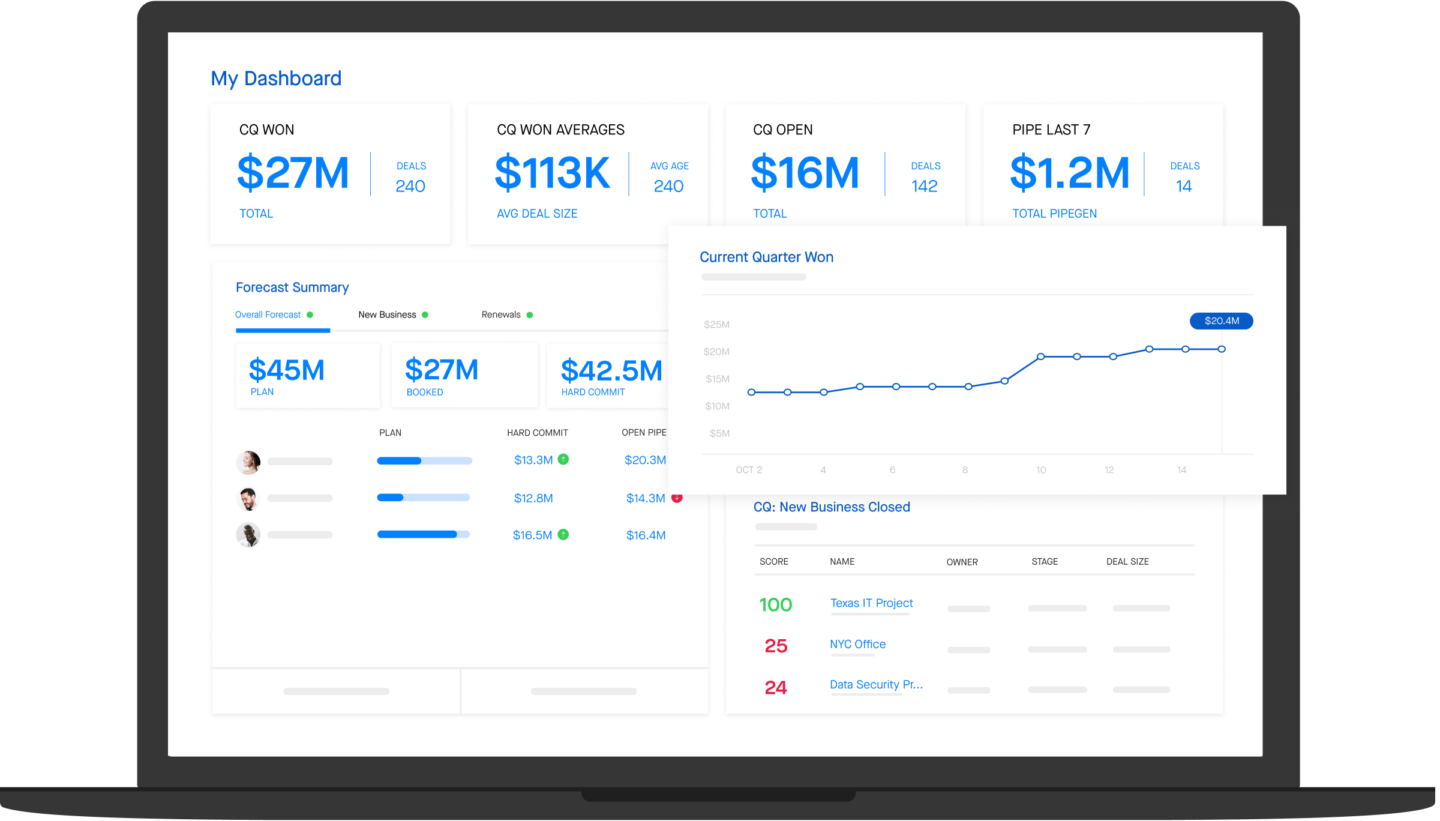
Clari has established itself as the category-defining predictive sales and revenue intelligence platform for enterprise B2B teams.
The system ingests data from your CRM, email, calendar, and conversation tools. It builds a comprehensive view of pipeline health.
Clari’s AI analyzes historical deal patterns, current activity levels, and external signals to predict which opportunities will close and forecast total revenue with industry-leading accuracy.
The platform provides early warning for at-risk deals. It recommends specific actions to get them back on track.
Revenue leaders use Clari to:
- Identify pipeline gaps weeks before they impact the quarter
- Assess territory and rep performance objectively
- Provide stakeholders with confident revenue commitments
For sales organizations managing complex, multi-stakeholder B2B deals, Clari delivers visibility that’s impossible to achieve through CRM reports alone.
InsightSquared and similar tools for pipeline analytics
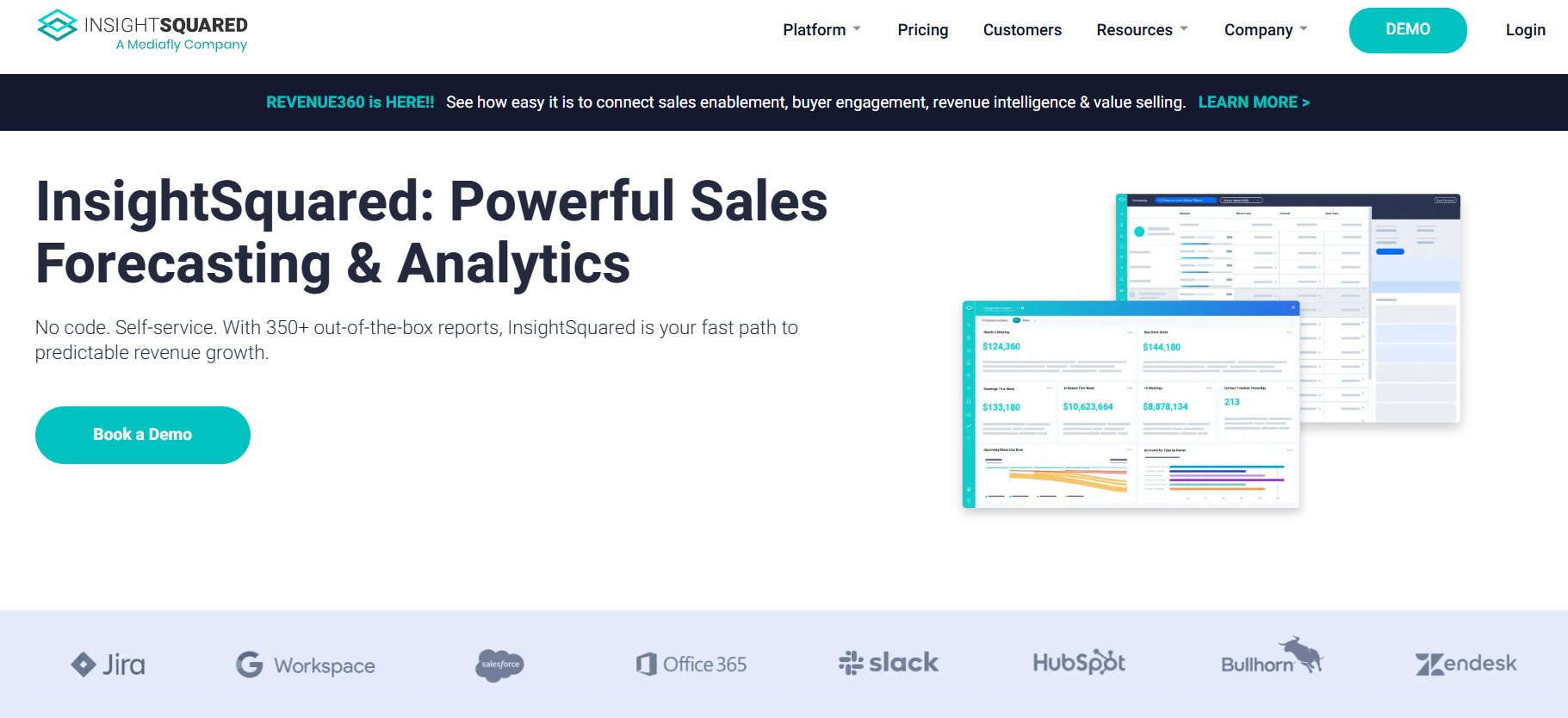
InsightSquared and platforms like Mediafly provide deep analytical capabilities focused on pipeline performance and sales effectiveness.
These tools transform raw CRM data into actionable insights through sophisticated reporting and AI-powered recommendations.
You can:
- Track conversion rates at each pipeline stage
- Measure deal velocity trends across segments
- Benchmark individual and team performance
- Identify bottlenecks slowing your sales cycle
The AI components predict which deals are likely to slip. They recommend optimal resource allocation. They surface anomalies that warrant investigation.
Unlike basic CRM reporting, these platforms apply statistical models and machine learning. They reveal patterns human analysis would miss.
Sales operations teams rely on these tools to design compensation plans, set realistic quotas, and provide leadership with accurate business intelligence. The depth of analytical capabilities makes them particularly valuable for data-driven sales organizations managing large teams.
How predictive sales tools help prioritize deals and accounts
The strategic value of predictive sales platforms lies in focus and prioritization.
With limited time and resources, sales teams need guidance on where to invest effort.
AI analyzes signals like:
- Stakeholder engagement levels
- Buyer behaviors compared to successful deals
- Time since last interaction
- Budget cycle timing
It calculates priority scores for each opportunity.
This enables reps to:
✅ Focus on deals most likely to close soon
✅ Identify stalled prospects that need re-engagement
✅ Recognize leads showing unexpected buying intent
At the account level, predictive tools highlight which customers are expansion-ready, at risk for churn, or showing signals they might champion you to peer companies.
This intelligence transforms sales from reactive to strategic. Teams consistently work the highest-value opportunities rather than getting distracted by noise.
Best AI B2B sales tools for sales engagement & outreach
Outreach: multi-channel sales engagement platform
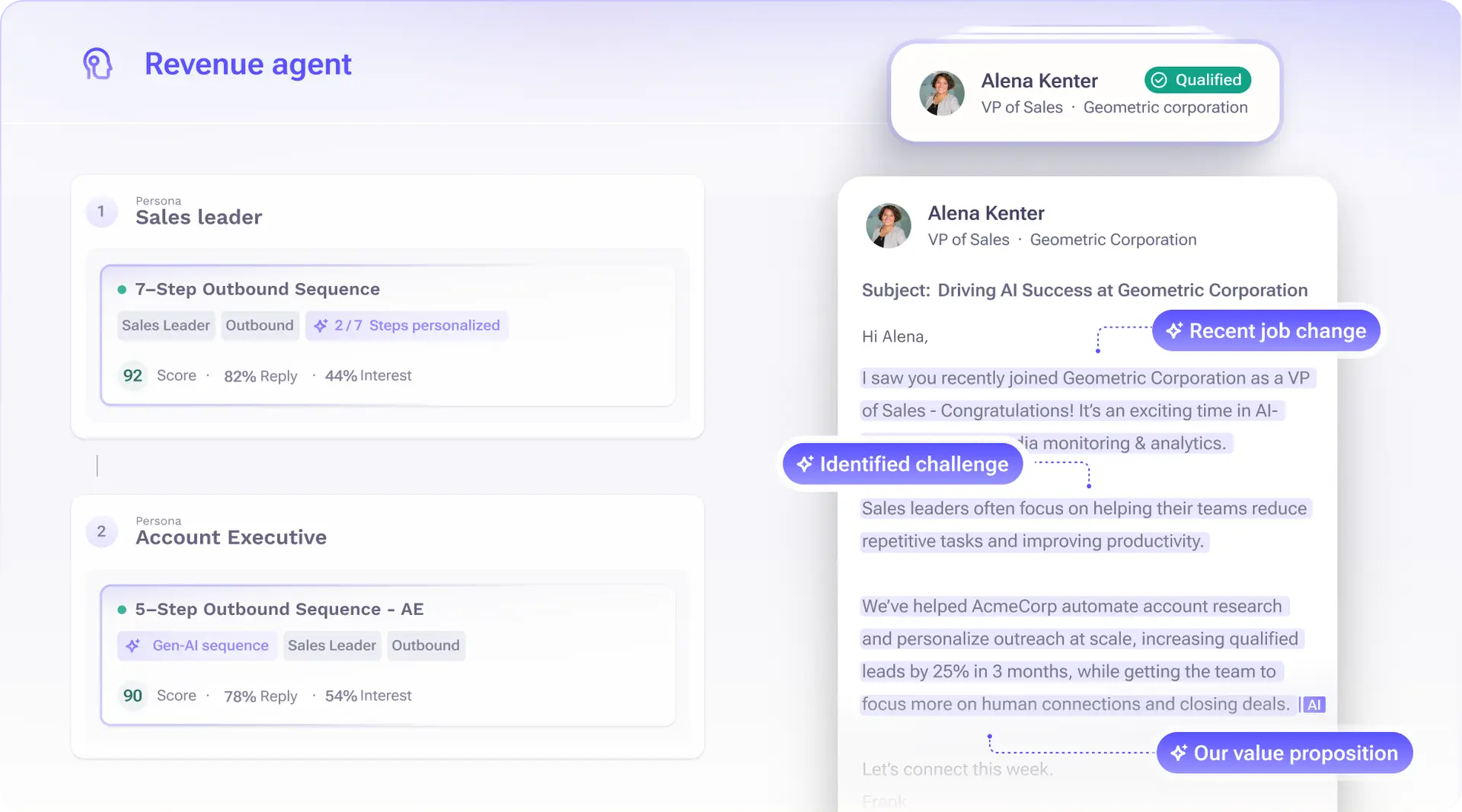
Outreach pioneered the sales engagement category. It remains the dominant platform for orchestrating multi-touch, multi-channel outreach.
The platform enables reps to build sophisticated sequences combining email, phone, social touches, and tasks across weeks or months.
Outreach’s AI:
- Recommends optimal send times
- Predicts which prospects are most likely to respond
- Suggests content personalization based on buyer characteristics
The system tracks engagement across all channels. It automatically advances prospects through sequences when they respond. It pauses outreach if deals progress.
Real-time analytics show which sequences and messages drive best results. Continuous optimization becomes possible.
For enterprise sales teams managing hundreds or thousands of accounts simultaneously, Outreach provides the orchestration layer that makes consistent, personalized engagement scalable.
Salesloft: AI-driven cadences for enterprise teams
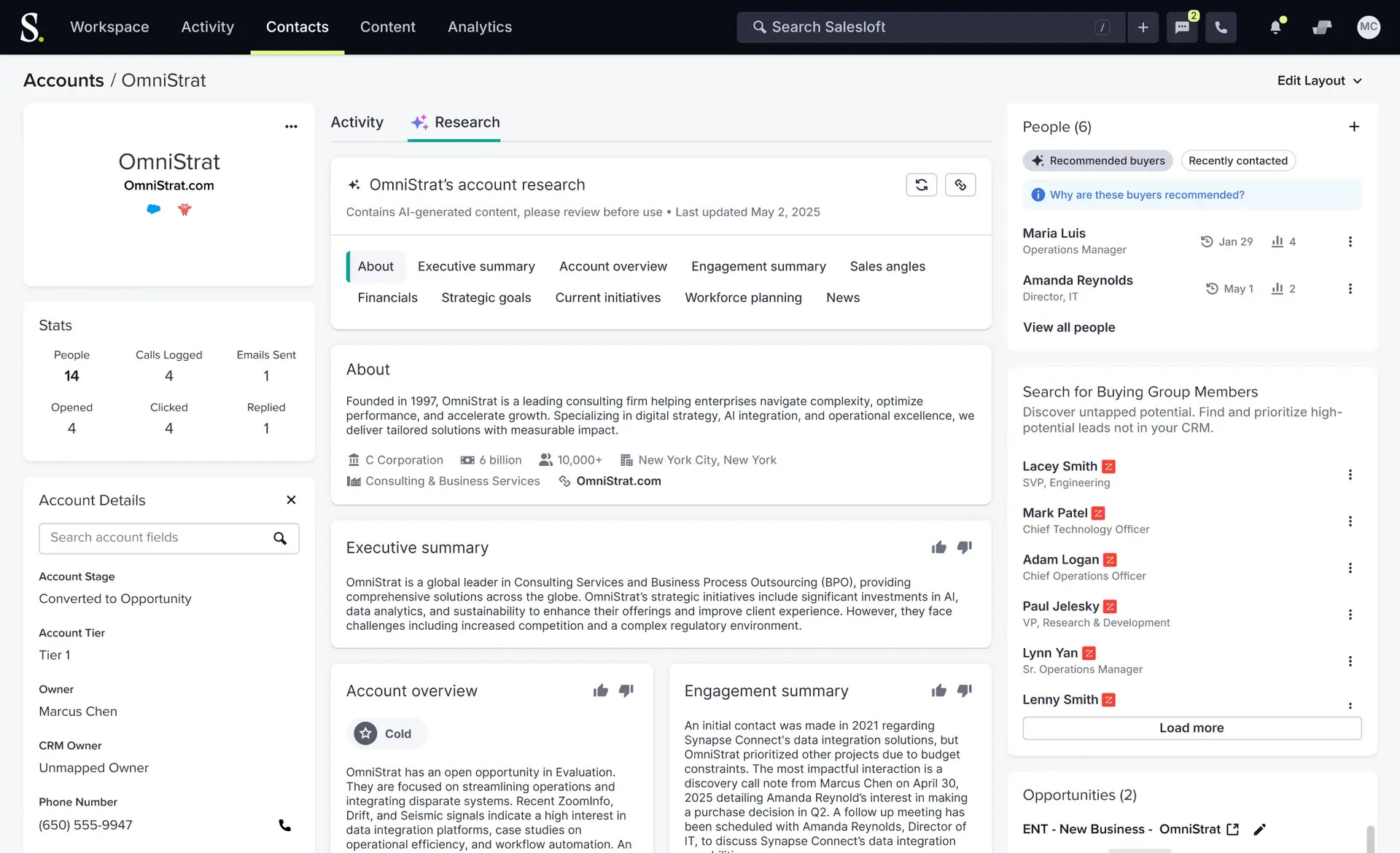
Salesloft competes directly with Outreach. It offers comparable multi-channel sequencing with particular strengths in AI-powered guidance and enterprise workflow integration.
The Rhythm AI engine analyzes buyer signals. It recommends the next best action for each prospect: send an email, make a call, or wait for the buyer to re-engage on their terms.
Salesloft’s Conversation Intelligence is natively integrated. Call insights connect directly to cadence performance.
The platform emphasizes collaboration. Teams can share successful sequences. SDRs and AEs coordinate account touches. Messaging stays consistent.
The forecasting capabilities help sales leaders predict pipeline generation. They identify execution gaps early.
For large, distributed sales teams requiring tight coordination and standardized processes, Salesloft provides enterprise-grade capabilities. The sophisticated AI assistance keeps reps focused on highest-value activities.
Apollo.io and similar outreach tools for SMB and mid-market
Apollo has become the go-to platform for SMB and mid-market companies seeking an affordable, all-in-one solution.
Apollo uniquely combines a massive B2B contact database with engagement sequencing. You get both the leads and the tools to reach them in one platform.
You can:
- Build targeted prospect lists using sophisticated filters
- Launch personalized sequences across email and LinkedIn
- Track engagement through pipeline close
The pricing is significantly more accessible than Outreach or Salesloft. Enterprise-class engagement capabilities become available to smaller teams.
The trade-off? Less sophisticated AI. Fewer enterprise features.
But for most mid-market companies, Apollo provides 80% of the functionality at 30% of the cost. Teams using Apollo appreciate the simplicity of managing prospects and outreach in a single interface rather than stitching together separate tools.
How to use AI outreach tools without losing personalization
The greatest risk with AI sales engagement platforms? Turning outreach into impersonal spam at scale.
To maintain authentic engagement while leveraging automation, follow these principles:
- Use AI for timing and channel selection. Write genuinely personal messages that reference specific context about each prospect.
- Limit sequence length. 5-7 touches over 2-3 weeks. Not aggressive 15-touch campaigns.
- Monitor response rates closely. Pause sequences that fall below 5% positive response.
- Use dynamic personalization strategically. Company-specific details, not just {First_Name} greetings.
- Balance automated touches with manual research. Yield truly relevant insights.
The best performers use AI to scale their research and execution while preserving the human judgment and creativity that builds real relationships.
When engagement feels authentic despite automation, you achieve the ideal balance.
Best free and budget-friendly AI sales tools
For teams with limited budgets, several best AI b2b sales tools free options provide genuine value.
HubSpot’s free CRM includes basic free AI tools for sales like email tracking and meeting scheduling. A solid starting point.
Lavender offers a free plan for email writing assistance with AI-powered coaching.
Apollo provides limited free monthly credits for prospecting and contact enrichment.
Fireflies has a generous free tier for meeting transcription and note-taking.
Hunter.io offers free email finding and verification credits.
These best free AI tools for sales work well for early-stage companies, solo sellers, or specific use cases like email writing and meeting notes.
However, limitations become apparent quickly:
- Restricted features and usage caps,
- No advanced analytics or forecasting,
- Limited or no CRM integrations,
- Smaller databases with older data.
As your B2B business scales beyond 5-10 deals per month, investing in paid platforms delivers exponentially better results.
Consider free tools as entry points to prove value before committing to enterprise platforms. Not as permanent solutions for growing sales organizations.
How to build your AI sales stack step by step
Building an effective AI sales stack requires a methodical approach. Not impulse purchases.
Step 1: Audit your current state
Start with a comprehensive audit of your current sales tools and processes. Document pain points and inefficiencies that AI could address.
Step 2: Prioritize use cases
Prioritize 1-2 high-impact use cases where AI will deliver quick wins. Most teams start with lead qualification or meeting intelligence because results are measurable within weeks.
Step 3: Select core tools
Select 3-5 core tools that address your priority use cases without creating excessive overlap.
A typical starter stack includes:
- Sales intelligence for prospecting data,
- AI-powered CRM for pipeline management,
- Conversation intelligence for call analysis,
- Engagement platform for outreach sequences.
Step 4: Run a focused pilot
Run a focused 30-60 day pilot with a small subset of reps. Measure specific KPIs like response rates, qualification accuracy, or time saved. Gather feedback from users and iterate on workflows before rolling out broadly.
Step 5: Scale what works
Only after the initial tools prove value should you expand to additional categories.
This disciplined approach:
✅ Prevents tool sprawl,
✅ Ensures proper change management,
✅ Maintains team adoption,
✅ Delivers measurable impact on leads, prospects, and revenue.
How to align AI sales tools with marketing and RevOps
The most successful AI sales implementations happen when sales teams, marketing, and revenue operations align around common definitions, processes, and data.
Establish shared definitions
Start by establishing shared definitions of lead stages. What qualifies as an MQL versus SQL? When should leads be passed to sales? What constitutes a marketing-qualified opportunity?
Confusion here causes friction and lost leads.
Create unified scoring rules
Create unified lead routing and scoring rules that both marketing and sales trust. When AI qualification criteria match between departments, handoffs become seamless and follow-up is faster.
Ensure data accessibility
Ensure all teams access the same data sources and tools can share information bidirectionally.
Marketing needs visibility into what happens after leads are passed. Sales needs access to engagement history from marketing campaigns.
Define clear ownership
Revenue operations should own the technical integrations and data flow. Ensure CRM, marketing automation, and AI sales tools sync properly.
Regular cross-functional meetings review funnel metrics end-to-end. Identify where leads are getting stuck and where AI can help.
This alignment is critical for B2B businesses with complex buyer journeys involving multiple touchpoints across marketing and sales.
How to evaluate AI B2B sales tools for your team
Step 1 — Map your sales process and team structure
Before evaluating any tools, document your current sales process in detail.
Map out:
- Every stage from first contact to closed deal,
- Who is responsible for each stage,
- Typical timeline and conversion rates,
- Key decision points and handoffs.
Map your team structure including SDRs, AEs, sales engineers, and how teams collaborate.
This clarity ensures you select tools that fit your actual workflow. You’re not forcing process changes to accommodate software.
Understanding where bottlenecks exist and which sales activities consume most time helps you prioritize which AI capabilities will deliver the biggest impact.
Step 2 — Define clear goals, KPIs and impact on revenue
Successful AI implementations start with specific, measurable objectives tied to revenue.
Define exactly what you want to improve:
- Increase qualified meetings booked by 40%
- Reduce lead response time from 2 hours to 5 minutes
- Improve forecast accuracy from 65% to 85%
- Free up 10 hours per rep per week from administrative tasks
These goals guide tool selection. They provide clear success criteria.
For B2B businesses, the ultimate measure is revenue impact. But leading indicators like activity levels, conversion rates at each stage, and sales cycle length provide earlier validation that your AI investments are working.
Choosing the right metrics for AI sales projects
AI sales initiatives require metrics that capture both efficiency gains and outcome improvements.
Track three categories:
Input metrics
- Time saved per rep
- Number of accounts touched
- Speed of response
Process metrics
- Lead-to-opportunity conversion rate
- Opportunity-to-close rate
- Average deal size
Outcome metrics
- Quota attainment
- Revenue per rep
- Total pipeline value
The combination reveals whether AI is truly improving performance or just creating activity without results.
Plan to measure consistently for at least 90 days before drawing conclusions. Behavioral change and learning curves affect early results.
Step 3 — Check data sources and integrations with your stack
AI tools are only as good as the data they can access.
Evaluate whether platforms:
- Integrate natively with your CRM (Salesforce, HubSpot, etc.)
- Sync with your marketing automation system
- Connect to conversation and email tools
- Support the file formats and data structures you use
Native integrations are far superior to custom builds or CSV imports. They enable real-time data flow. They reduce maintenance burden.
Ask vendors specifically:
- How does data move between systems?
- What happens if integrations break?
- Can you extract your data if you leave the platform?
Poor integrations doom AI sales projects by creating data silos and forcing manual work.
Step 4 — Ease of use, adoption and training for sales teams
The most sophisticated AI is worthless if sales teams won’t use it.
Evaluate user experience carefully:
- Is the interface intuitive, or does it require extensive training?
- Does the tool fit naturally into existing workflows?
- Does it force reps to change behaviors dramatically?
- What onboarding and ongoing support does the vendor provide?
Request trials with actual teams members. Not just managers. Gather honest feedback about usability.
Plan for structured training and change management. Assign clear owners responsible for adoption.
Tools that feel like extra work get abandoned quickly. Those that make reps’ lives easier see rapid uptake across teams.
Step 5 — Pricing, scalability and expected ROI timeline
Understand total cost of ownership:
- Subscription fees
- Implementation and integration costs
- Training and change management expenses
- Ongoing support and maintenance
Ensure pricing models scale reasonably with your growth. Per-seat? Per-contact? Platform fees?
Ask about contract terms and flexibility if your needs change.
Most importantly, calculate expected ROI timeline.
⏱️ According to SPOTIO research, sales tools typically show measurable results within 3-6 months of implementation, with productivity gains appearing in the first 30-60 days and revenue impact materializing within 90-180 days as improved efficiency compounds into closed deals.
If a vendor can’t provide case studies with specific ROI data or pushes timeframes beyond 6 months for value realization, reconsider whether the complexity is worth the effort.
Best practices for implementing AI sales tools in B2B companies
Successful AI sales implementation follows proven patterns. Start with these best practices.
Run a small, focused pilot
Test with 3-5 reps on one specific use case for 30-60 days before company-wide rollout. This lets you identify issues and refine processes without disrupting the entire sales organization.
Assign a clear owner
Designate someone responsible for the AI initiative. They need authority to make decisions and resources to drive adoption. Without ownership, tools are most likely to stay unused.
Invest in change management
Plan structured training. Create documentation and best practices. Celebrate early wins publicly. Address concerns and resistance directly.
Technology alone doesn’t change behavior. People and process do.
Focus on data quality
Clean your CRM before integration. Establish data entry standards. Implement regular data hygiene processes. AI trained on bad data produces bad results.
Iterate based on feedback
Meet weekly with users during rollout. Track adoption metrics. Adjust workflows based on what you learn.
Flexibility and responsiveness build trust with teams.
Connect results to revenue
Continuously measure and communicate impact on pipeline, conversion rates, and closed deals. When reps see AI helping them hit quota, adoption accelerates organically.
Measurement matters: According to McKinsey research, 61% of companies that actively measure AI impact report increased revenue, compared to only 22% of those that don’t. Organizations following structured implementation practices with clear metrics see dramatically higher success rates and faster ROI.
Common mistakes when implementing AI in B2B sales
Learn from these common failures that doom AI sales initiatives.
Installing tools without changing processes
Adding AI to broken workflows just automates dysfunction.
Fix your underlying sales process before layering technology on top. If qualification criteria are unclear manually, AI won’t magically clarify them.
Neglecting data quality
AI models trained on incomplete, outdated, or inaccurate data produce unreliable predictions and recommendations.
Teams lose trust quickly when the AI makes obviously wrong suggestions.
Invest in data cleanup before implementation.
Over-automating and losing authenticity
Excessive automation destroys engagement and turns outreach into spam.
Maintain human judgment and personalization even as you scale. Buyers can spot AI-generated templates. They don’t appreciate mass sales automation.
No executive ownership
Without a senior leader championing the initiative, AI projects get deprioritized when challenges arise.
RevOps or sales leadership must own the success of these initiatives. They must hold teams accountable for adoption.
Avoiding these pitfalls dramatically improves your odds of success.
The technology is proven. Most failures stem from organizational and process issues, not the AI itself.
Final thoughts
The landscape of AI in B2B sales has matured rapidly. From experimental to essential.
The best AI b2b sales tools don’t replace your sales teams. They amplify their capabilities. They handle routine tasks so your people focus on relationship-building and strategic selling.
Whether you’re just starting with AI or optimizing an existing stack, the key is methodical implementation aligned with clear business goals.
Start small. Measure rigorously. Scale what works.
The competitive advantage goes to organizations that embrace AI thoughtfully. Not those that chase every new tool.
Your sales team’s effectiveness, your leads’ experience, and ultimately your revenue depend on making smart, strategic choices about which AI sales tools to adopt and how to implement them successfully.
FAQ on AI in B2B sales
AI enhances B2B sales across the entire funnel by automating lead qualification, scoring prospects, and personalizing outreach at scale. Use AI sales tools to address your biggest bottlenecks: slow response times, poor lead quality, or forecasting gaps.
Train sales teams to integrate tools into daily workflows rather than treating them as separate systems. Most B2B companies see fastest results with inbound lead qualification and conversation intelligence.
There’s no single “best” sales AI tools because needs vary by company size, sales motion, and maturity. For conversation intelligence, Gong leads; for prospecting and engagement, Outreach and Salesloft dominate enterprise while Apollo serves mid-market; for inbound lead generation, Dashly excels; and for revenue forecasting, Clari is the leader. The best sales tools for your team depend on your specific use case, budget, and tech stack. Most successful organizations build a stack of 3-5 specialized sales tools rather than one all-in-one platform.
AI will not replace B2B sales professionals, but it will fundamentally change their roles by automating 40-60% of routine sales tasks like research, data entry, and initial qualification. Complex B2B sales require relationship-building and strategic thinking that AI cannot replicate. The role of sales teams will evolve toward higher-value activities like building executive relationships and orchestrating complex buying processes. The competitive threat isn’t AI replacing teams, it’s competitors whose teams use AI more effectively.
The highest-impact AI application is intelligent sales automation combined with AI tools for sales lead generation, using AI to instantly qualify inbound leads, route them to reps, and initiate personalized engagement within seconds.
This addresses the critical B2B sales problem of speed-to-lead. Harvard Business Review research shows that responding within 5 minutes versus 30 minutes produces 100x higher connection rates and makes leads 21x more likely to qualify.
The second highest-value use case is conversation intelligence: recording and analyzing sales calls to provide coaching and replicate top performer behaviors.
These two applications consistently deliver the clearest, fastest ROI.
Start by defining your specific pain points and mapping your current sales process to identify the 1-2 areas where AI would create the biggest impact. Research options thoroughly, including best ai b2b sales tools reddit discussions and review sites, then request demos from 3-4 vendors involving actual sales reps in evaluation.
Run focused pilots before committing to annual contracts, prioritizing tools with strong integrations to your existing tech stack. For most B2B businesses, starting with lead qualification or conversation intelligence provides the fastest path to measurable results and builds organizational confidence in AI investments.




![Chatbot for business: The complete guide [2026]](https://www.dashly.io/blog/wp-content/uploads/2022/05/ultimate-guide-to-chatbots-720x317.png)

![21 proven tools for your 2025 marketing tech stack [Recommended by market experts]](https://www.dashly.io/blog/wp-content/uploads/2022/08/martech-stack-999-720x317.png)