What is inbound lead generation? The complete B2B guide [2026]
 15 minutes
 24.04.2026
![What is inbound lead generation? The complete B2B guide [2026]](https://www.dashly.io/blog/wp-content/uploads/2026/04/inbound-lead-generation-cover-1440x634.png)
Most B2B SaaS teams don’t struggle with insufficient traffic or lead capture. They struggle with talking to website visitors fast, and doing it well.
A lead leaves a demo request and it sits in a queue. A high‑intent visitor asks one question in chat, then bounces. A form fill gets routed to the wrong rep. Follow‑up happens late, and the buyer has already moved on (or booked with a competitor).
The baseline isn’t pretty. The average company takes 42 hours to respond to a web lead, and 23% never respond at all, according to Harvard Business Review.
That gap shows up as pipeline you never see.
In this guide, we’ll define inbound lead generation, show how it differs from outbound, and lay out an inbound lead generation strategy B2B teams use to turn traffic into qualified pipeline.
Then we’ll cover the part most guides skip. Qualification and conversion at speed, using data, routing logic, and AI agents that can reply in seconds and book meetings without adding SDR headcount.
What is inbound lead generation?
Inbound lead generation is the process of attracting potential buyers through content, SEO, and other pull channels. Then converting them into leads by capturing intent through chat, forms, demo requests, or trials. Unlike outbound, the buyer initiates contact. In B2B SaaS, inbound leads typically convert faster because they already have a problem in mind.
The goal is a real conversation, started fast, with enough context to qualify the lead.
So what counts as an inbound lead?
An inbound lead is a person who found you first and raised their hand in some way. That “hand raise” can be obvious (a demo request) or small (asking pricing in chat, downloading a template, signing up for a webinar).
In B2B SaaS, “raised their hand” often means one of these:
- Asked a product question in chat (pricing, security, integrations).
- Requested a demo.
- Started a trial.
- Downloaded something and left a work email.
- Signed up for a webinar.
Inbound marketing leads are a subset of inbound leads that come specifically from marketing-driven channels. Think SEO pages, blog posts, paid content distribution, email newsletters, webinars, and lead magnets.
They’re valuable. They’re also messy. Someone can download a checklist and still be six months away from buying. Someone else can ask “Do you support SSO?” and be ready this week. Same channel. Very different intent.
Here’s the clean mental model:
- Traffic = people who can leave without talking to you.
- Inbound leads = people who took an action that gives you permission to follow up.
- Qualified inbound leads = people who match your ICP and have real buying intent.
Now let’s compare inbound leads vs outbound leads, so you can decide where each motion makes sense and where it breaks.
Inbound leads vs outbound leads: Key differences
Most teams treat this as a “marketing vs sales” argument. But these are actually two completely different approaches.
Inbound and outbound are two different ways a conversation starts. The difference shows up in intent, cost, timing, and what your team has to do to earn a meeting.
| Inbound leads | Outbound leads | |
|---|---|---|
| How the lead appears | The buyer finds you first (SEO, content, ads, referrals) and raises a hand via chat, form, demo, trial | You find the buyer first (cold email/calls, LinkedIn, outbound sequences) |
| Intent level | Often higher at the moment of contact (they’re already researching) | Often lower (you’re interrupting their day) |
| Cost profile | Upfront cost in content/SEO/CRO, then marginal cost per lead trends down over time | Ongoing cost per touch (tools + data + SDR time). Scales linearly with headcount |
| Speed to conversion | Fast when your website communication is fast and specific (answer, qualify, route, book) | Usually slower. You need multiple touches to create demand and earn a reply |
Two practical notes for B2B SaaS:
- Inbound doesn’t automatically mean qualified. A lot of inbound marketing leads are “content curious” and need fast qualification to separate reading from buying.
- Outbound isn’t automatically bad. It can outperform inbound for narrow ICPs or new categories. It just needs more work per opportunity.
If you’re choosing where to invest, use this rule: inbound wins when you can reply quickly and qualify consistently on the website. Outbound wins when you can target a tight list and run disciplined follow‑up.
Why inbound lead generation matters for B2B SaaS
Inbound lead generation matters because your website is doing the selling before your team even shows up.
Buyers do most of the work alone. Gartner puts a hard number on it: B2B buyers spend only 17% of the purchase journey interacting with sales reps.
That changes how you should treat inbound leads.
If someone is on your pricing page and asks a question in chat, it’s a buying moment. Slow replies and vague answers reduce your chance for conversion. significantly.
Two things usually break:
- Speed. The average company takes 42 hours to respond to a web lead. If your inbound lead generation relies on “we’ll get back to you,” you’re donating pipeline.
- Qualification. Inbound marketing leads look similar in dashboards, but they’re not similar in intent. One visitor downloads a checklist for a slide deck. Another asks “Do you support SSO?” because procurement is waiting. If you can’t qualify fast, you’ll either chase the wrong leads or miss the good ones.
This is why inbound is a RevOps problem, not a content problem.
When you can respond quickly, qualify inbound leads consistently, and route people to the right next step (answer, book, handoff), inbound marketing lead generation becomes a predictable pipeline channel.
Inbound lead generation strategy — 7 proven tactics
Inbound lead generation strategy is a set of repeatable moves that turn “someone visited your site” into “we booked a meeting”.
There are a lot of tactics that can work. The common thread is simple: each one increases qualified traffic, improves website communication, or removes friction from the next step.
Below are 7 tactics that show up in almost every strong inbound lead gen motion.
1) Content marketing & SEO
This is how you create demand before a buyer is ready to talk. Publish pages that answer the exact questions your ICP searches.
But don’t treat it as “write more blog posts.” Treat it as a pipeline generation lever: each page should have a next step and a way to capture intent (chat, demo, lead magnet). That’s how you start generating inbound leads from SEO instead of generating traffic.
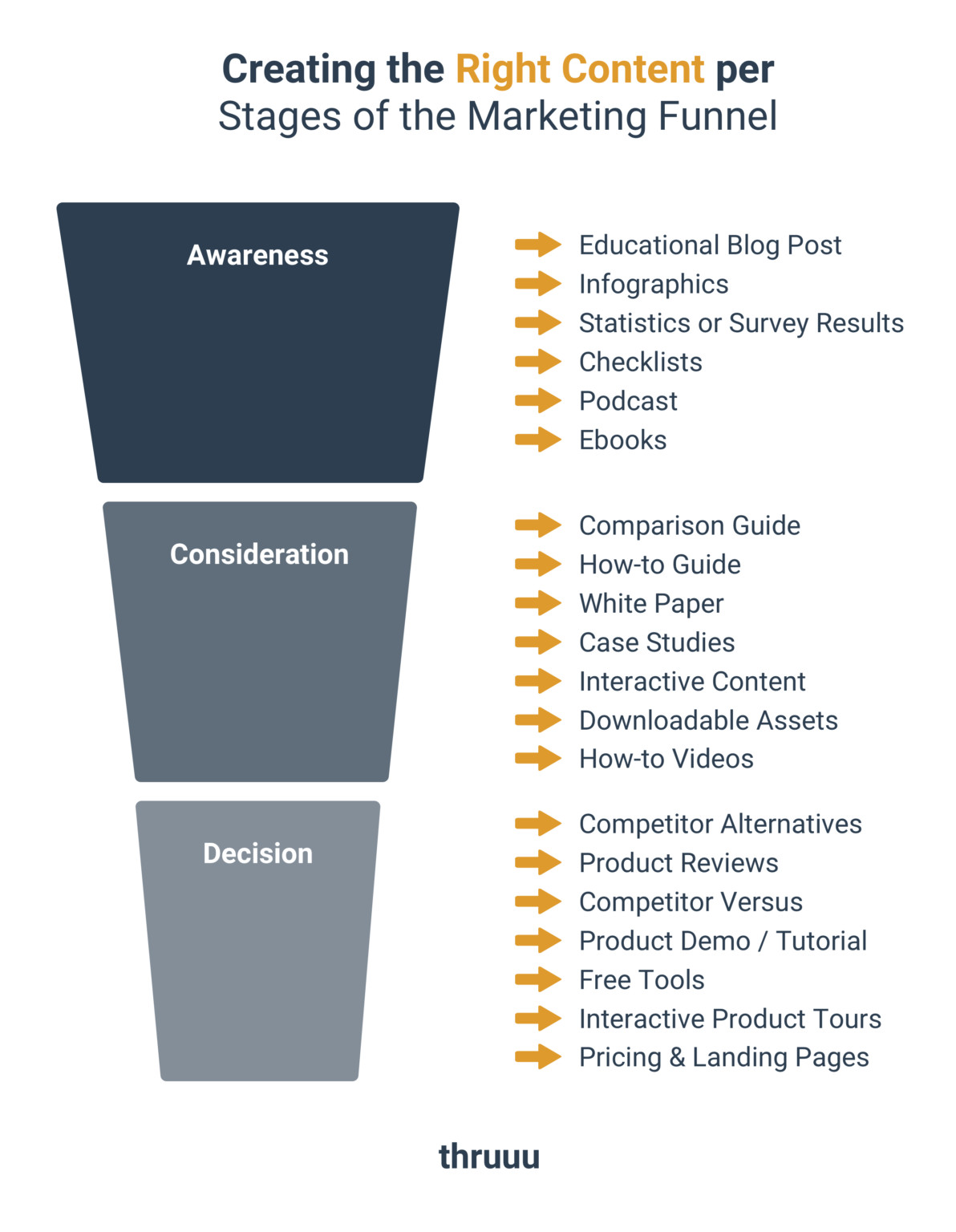
Here are types of content required for each stage of an inbound lead’s journey:
2) Conversion-optimized landing pages
Traffic is wasted on unclear pages. A good landing page does one job: match the visitor’s intent and get them to take a next step.
For inbound lead gen, that next step should be easy to start and easy to finish. Clear CTA, short forms, fast load time, and friction‑free proof (logos, security notes, short cases).
3) Live chat & AI chat agents
AI agent works when it behaves like a strong SDR. Fast response, specific answers, and a clean handoff.
Use chat to catch high‑intent visitors in the moment: pricing, integrations, security, “can you do X?”, “is this for my team size?” This is where generating inbound leads becomes a communication problem, not a traffic problem.

Learn more about AI agents for B2B SaaS inbound funnel:
4) Webinars & interactive content
Webinars compress trust. They also give you a reason to follow up with context (“You asked about X,” “You joined for Y”).
Make them practical: one clear promise, defined audience, and a strong Q&A. If you can’t get someone to watch for 20 minutes, use shorter formats: workshops, calculators, templates, or interactive demos.
5) Free tools & lead magnets
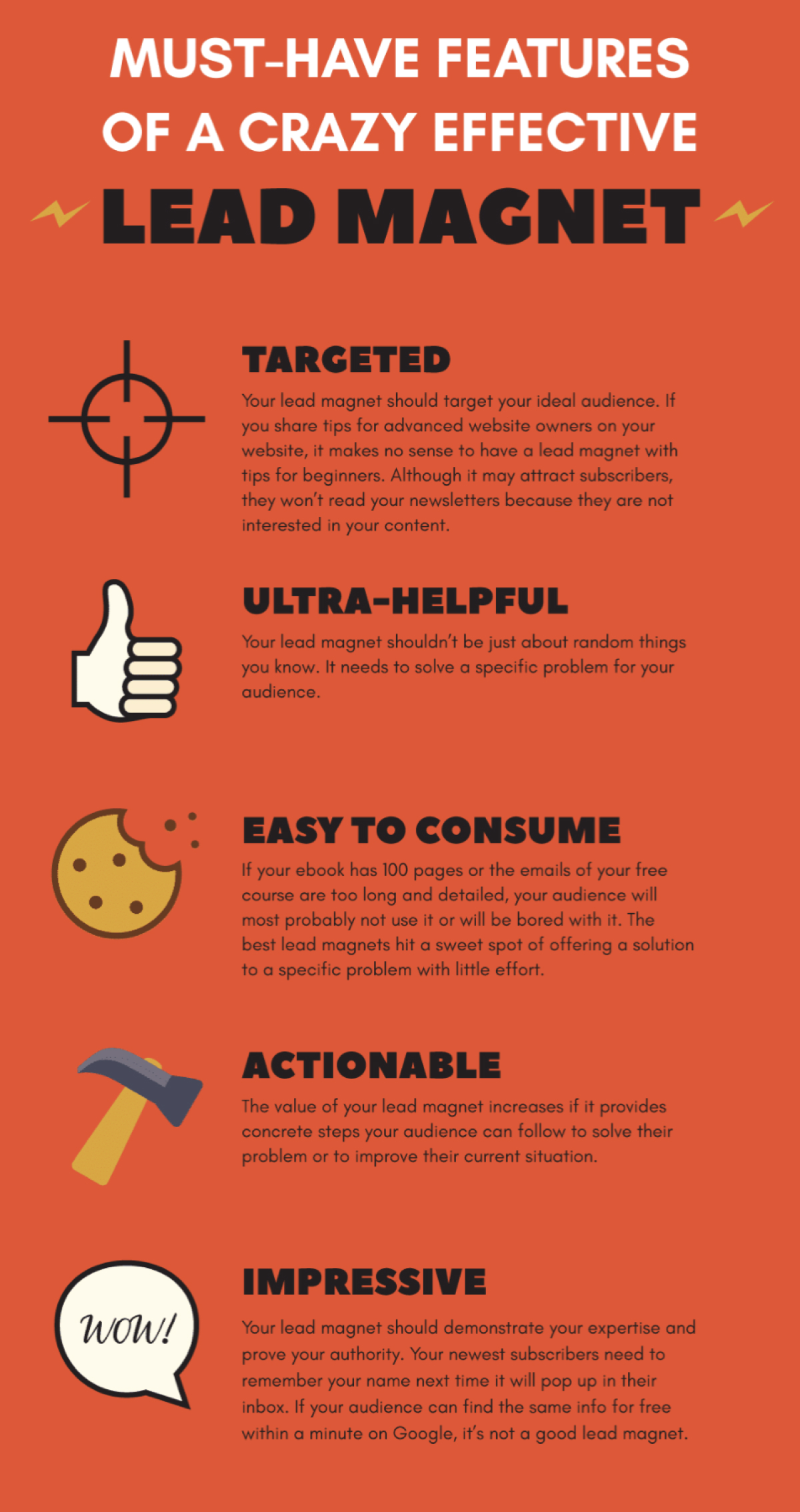
Lead magnets still work when they solve a real task, not when they’re generic “Ultimate Guides.”
The best ones are operational. Checklists, playbooks, scripts, benchmarks, ROI calculators, and templates that a RevOps or Growth lead can use today. That’s inbound lead generation with permission to follow up.
Here are a few tips for making an effective lead magnet:
6) Referral programs
Referrals are the cleanest inbound leads you can get. Intent is usually high, and trust is borrowed.
Keep it simple: a clear trigger (when to refer), a clear reward, and a frictionless way to submit. Don’t hide it behind a form that takes five minutes.
7) Product-led growth (free trial / freemium)
PLG is inbound lead gen inside the product. The moment someone starts a trial, your job shifts from “convince” to “activate.”
Activation needs fast communication, too. In‑app prompts, onboarding checklists, and chat that answers product questions in context are often the difference between a trial that stalls and a trial that converts.
How to qualify and convert inbound leads
Most inbound programs fail here.
You can be great at attracting visitors and still lose the deal because the first conversation is slow, generic, or handled by the wrong person.
Qualification is the part where you do three things, fast:
- Answer the real question. Not “How can I help?” but “Yes, we support Salesforce + SSO. Here’s how it works.”
- Decide if this is a fit. Company size, use case, region, industry, budget, timeline. Pick the fields that actually correlate with revenue in your funnel.
- Route to the next step. Self‑serve answer, book a meeting, start a trial, or hand off to a human.
Speed-to-lead is the multiplier.
When your visitor is on the site right now, “we’ll follow up tomorrow” is a conversion leak you can measure.
What “effective qualification” looks like on a website
- Context first: page visited, UTM/campaign, returning vs new, product area, language.
- One tight question at a time: don’t throw a 7‑field form into a chat.
- A visible outcome: “Got it. You’re in the right place. Next step is a 15‑min call with RevOps” or “Here’s a security overview, and you can loop in your IT lead.”
- Clean handoff: when it needs a human, the visitor shouldn’t repeat themselves. The rep should see the transcript + key fields.
AI agents for lead qualification
Dashly’s AI Qualifier handles the first conversation, asks the right questions, and captures qualification data based on behavior and context. Then the AI Booking Agent can route the lead and book a meeting instantly, without waiting on an SDR.
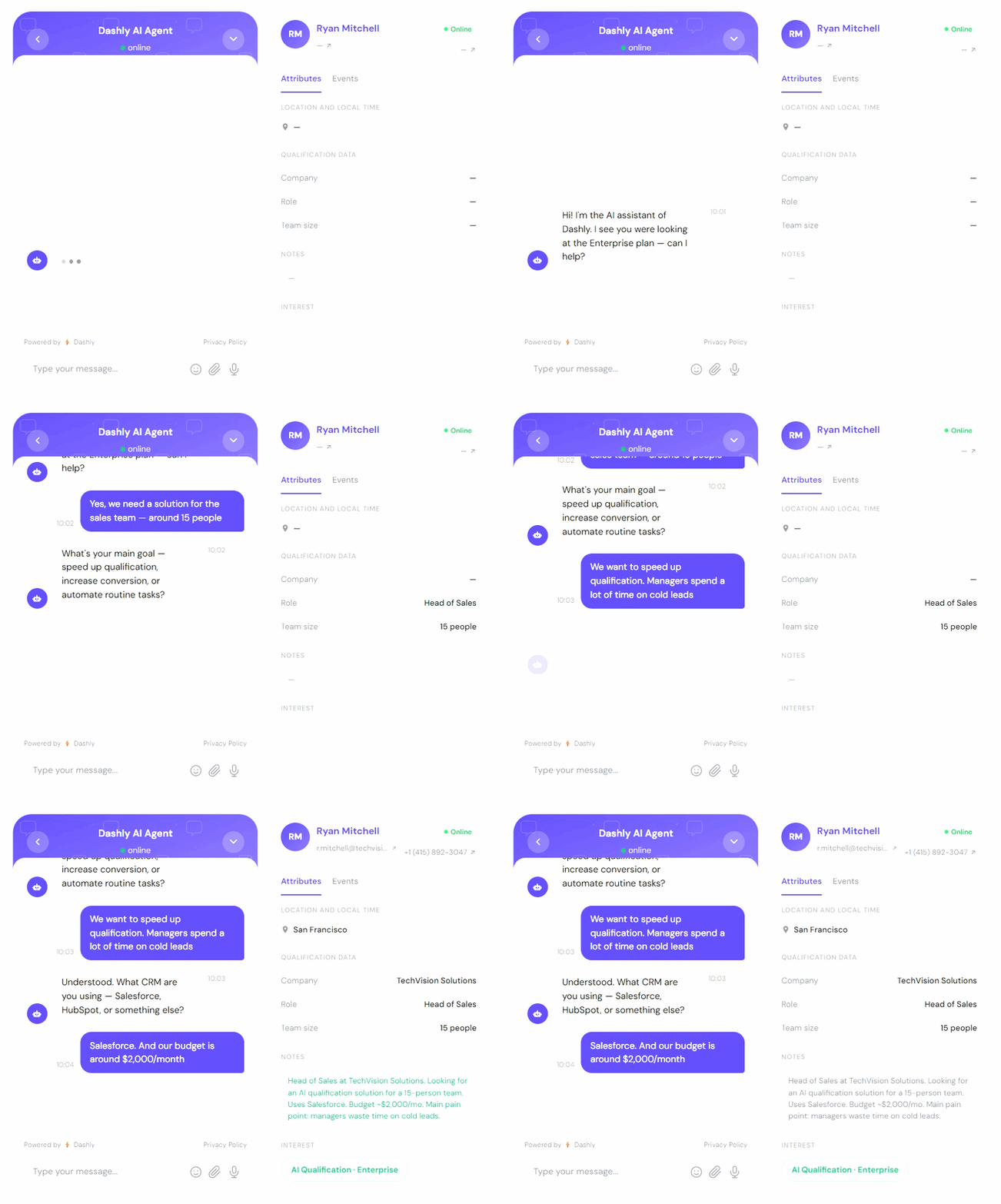
This is how you keep the visitor’s momentum while still protecting your team’s time.
Inbound lead generation tools & services
If your inbound lead gen relies on “publish content → wait for a form fill,” you’ll hit a ceiling fast.
The tools that work best for inbound lead generation services fall into five buckets:
- Website + CMS (ship pages fast)
- CRO (remove friction)
- Conversational / AI (answer, qualify, book)
- CRM (store truth + route follow‑up)
- Analytics (find leaks)
Below are 5 tools that cover that stack. This isn’t a “best of the internet” list. It’s the set of categories most B2B SaaS teams end up paying for anyway.
Dashly (AI qualification + booking)
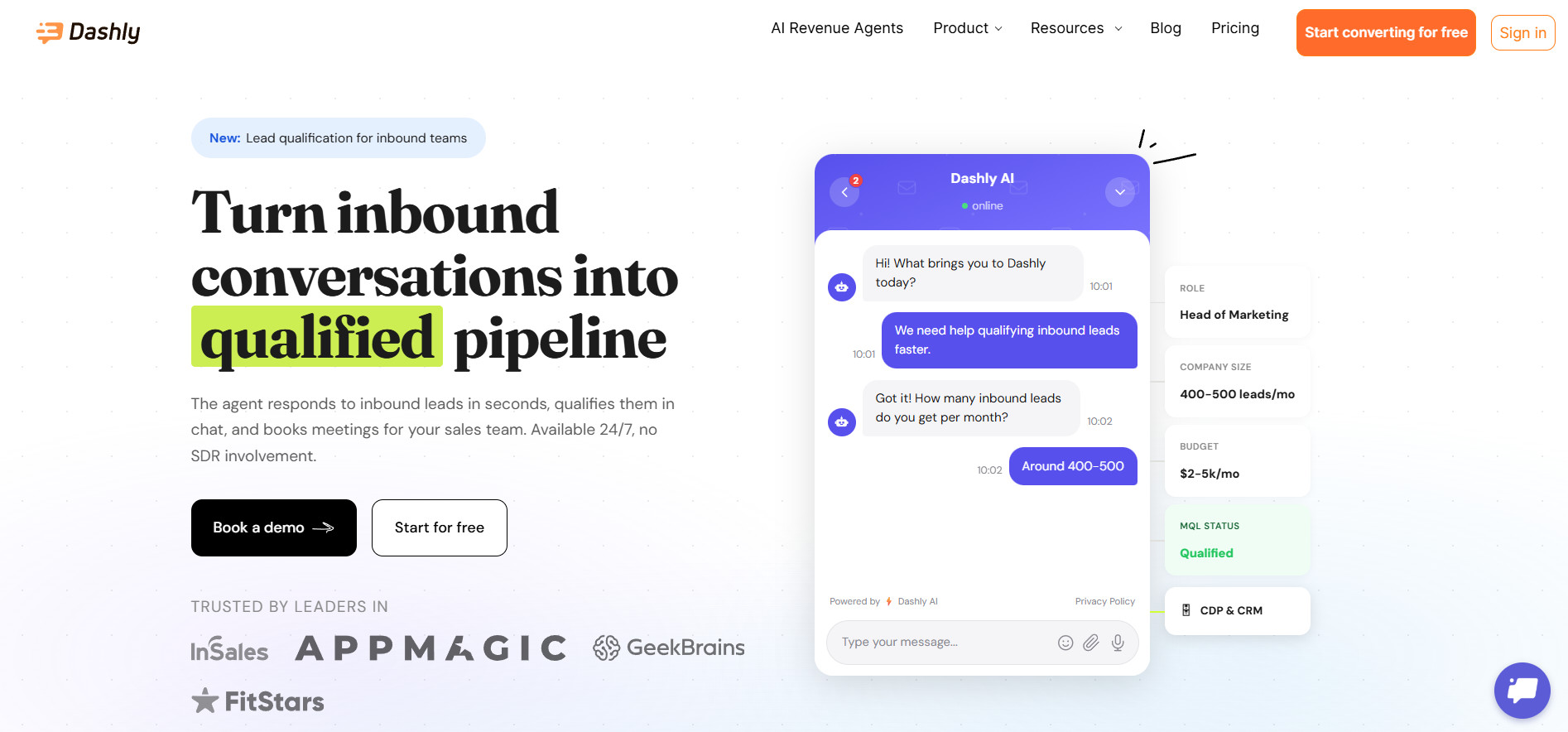
Dashly is built for the part most teams mess up: the first conversation.
It uses AI agents to engage visitors in chat, qualify based on context and behavior, and route to a meeting without waiting on an SDR.
Good fit when you have inbound traffic, but speed-to-lead and qualification are inconsistent.

Qualified (conversational marketing for revenue teams)
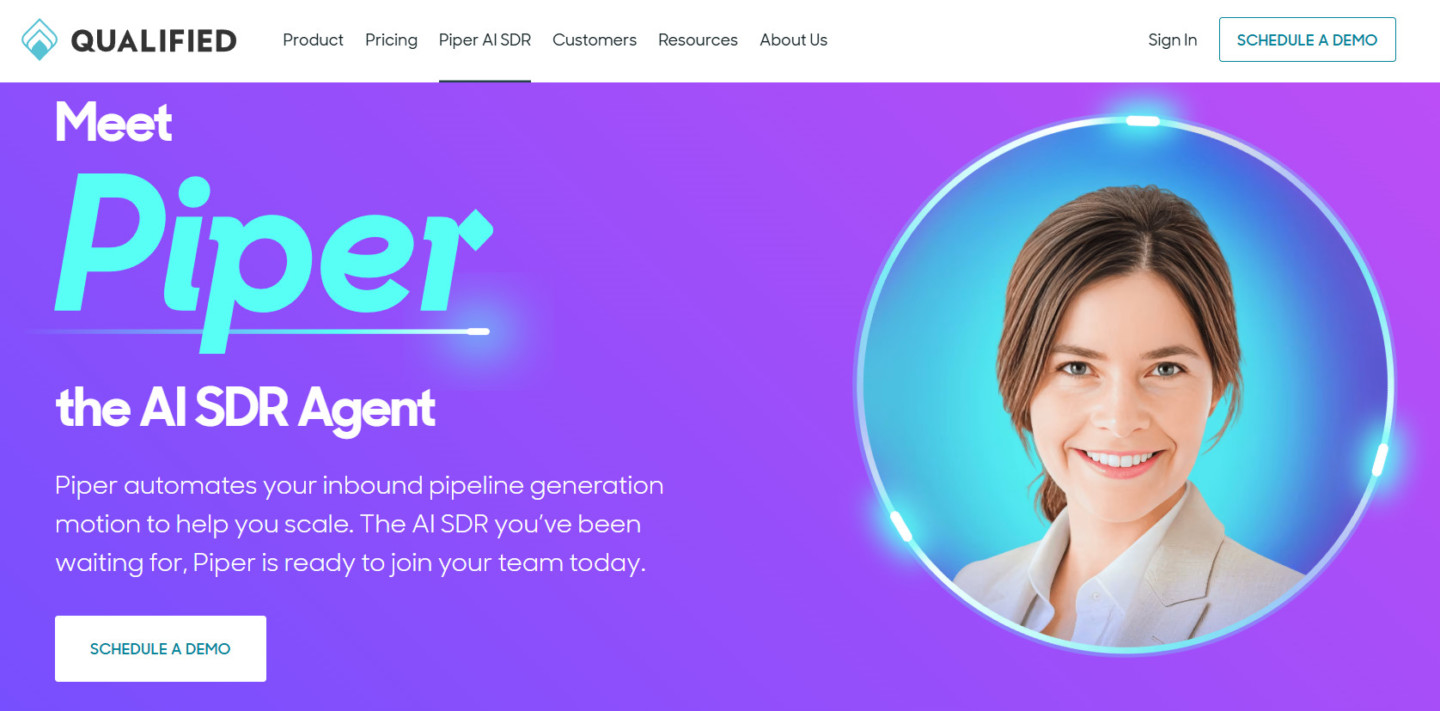
Qualified is a conversational marketing platform designed to turn website visitors into pipeline with real‑time chat, routing, and meeting scheduling. It’s known for Salesforce-native workflows and sales-led website experiences.
Good fit when your sales team wants to work high‑intent inbound buyers live, with tight routing rules.
HubSpot CRM (capture and operationalize inbound leads)
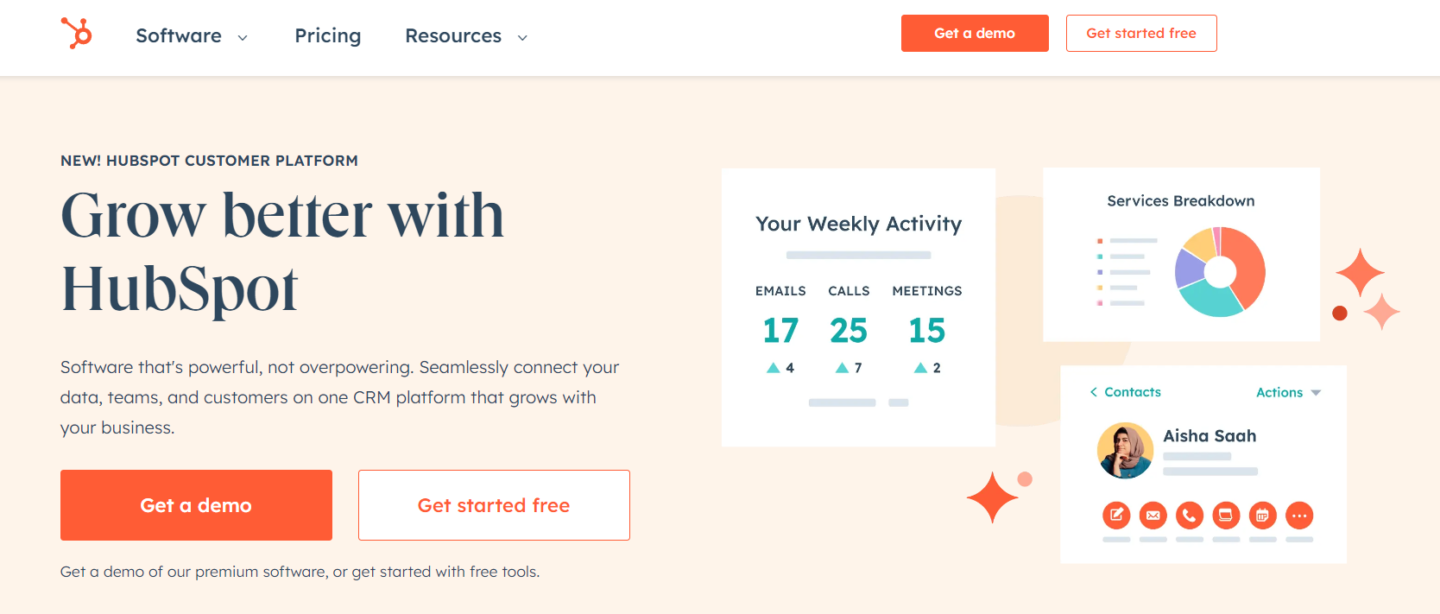
HubSpot gives you a CRM plus marketing and sales tooling in one place. For inbound leads, the value is operational: forms, contact records, lifecycle stages, lead routing, and a clean place to track what happened after the website visit.
Good fit when you want one system for marketing + sales handoff, without stitching together five point tools.
Webflow (CMS for shipping pages fast)
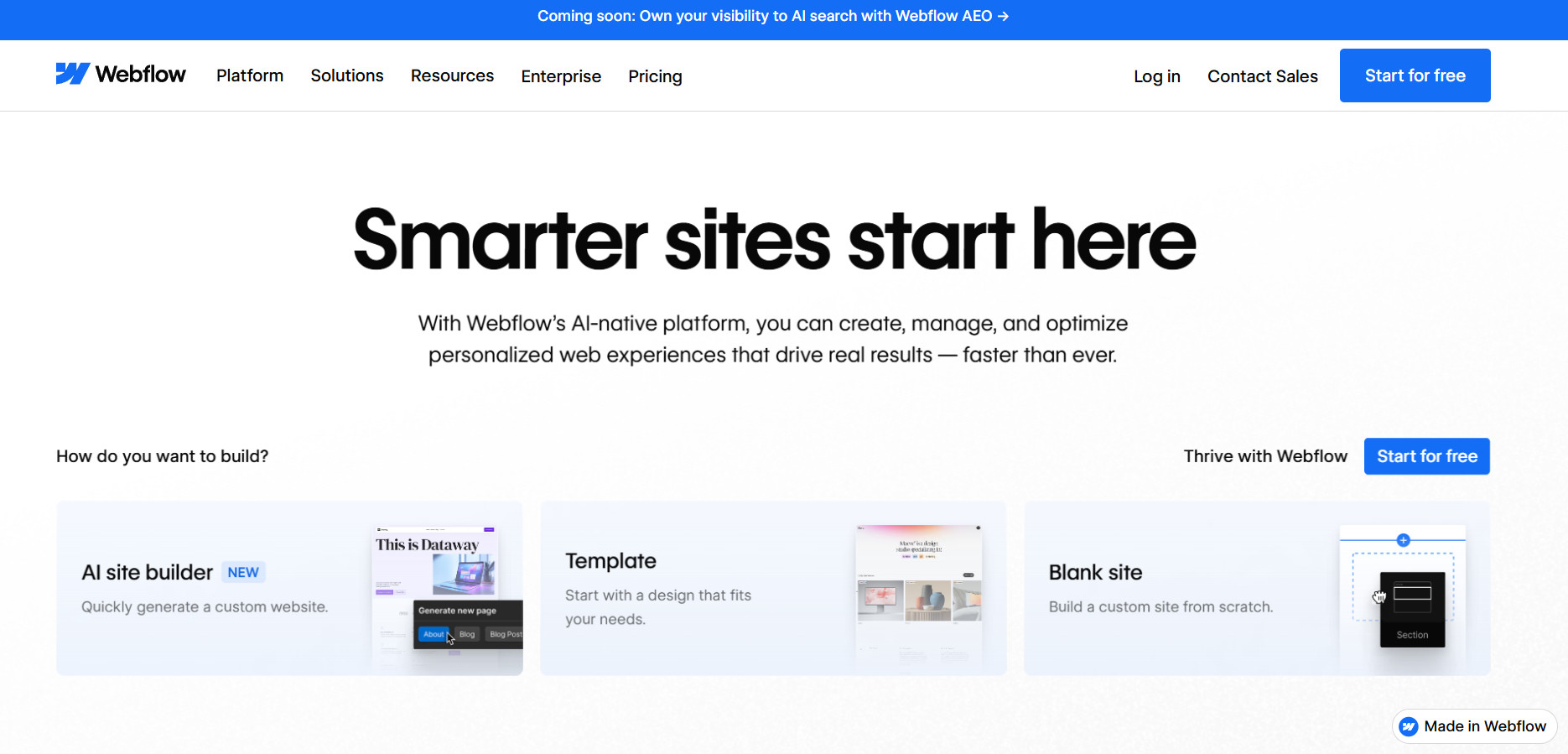
Webflow is a CMS and website platform that helps marketing teams publish landing pages, resources, and product pages without living in dev tickets.
Good fit when your inbound motion depends on shipping and iterating pages weekly, not quarterly.
Hotjar (behavior analytics for CRO)
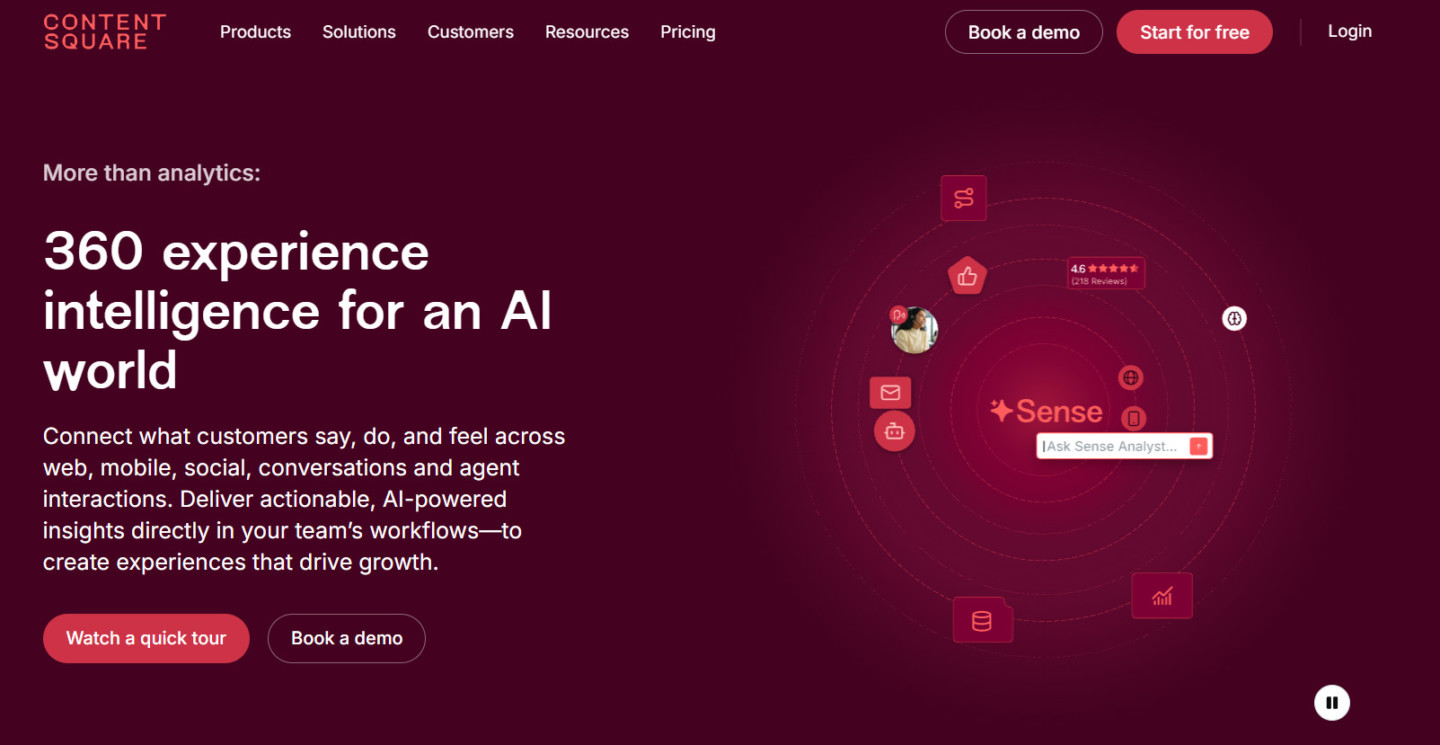
Hotjar (now part of Contentsquare) adds the “why” behind your web analytics. Heatmaps, session recordings, and on-page feedback help you find where visitors get stuck before they ever become inbound leads.
Good fit when you have traffic but can’t explain why conversion is flat.
If you’re comparing inbound lead generation services, evaluate them on one thing: do they help you respond faster and qualify better while the visitor is still on the site.
If you want to see what that looks like in practice, Dashly can run the full “answer → qualify → route → book” flow with AI agents.
How to measure inbound lead generation
If inbound lead generation feels messy, measurement is usually the reason.
Most teams track leads created and calls booked. That’s too late.
You want to measure what happens on the website, because that’s where inbound leads are won or lost.
Here are the four metrics that are worth obsessing over.
| Metric | Formula | B2B SaaS benchmark | What a bad number usually means |
|---|---|---|---|
| Visitor-to-lead rate | Inbound leads / unique visitors | 1.5–2.5% (SaaS Hero) | Wrong CTA, too much friction in forms, unclear next step |
| Lead-to-MQL rate | MQLs / inbound leads | 20–40% for content-driven programs | Traffic quality mismatch or qualification criteria too loose |
| Speed-to-lead | Time from hand-raise to first real response | <5 min for high-intent leads (HBR: avg is 42 hrs) | No live chat or AI agent on high-intent pages; manual routing |
| Cost per inbound lead | (Content + SEO + paid + tools + labor) / inbound leads | $150–$300 for B2B SaaS (varies by channel) | Over-reliance on paid; labor not counted; channel mix not segmented |
1) Visitor-to-lead rate (website conversion)
This is the percentage of visitors who become inbound leads.
Formula:
Visitor-to-lead rate = inbound leads / unique visitors
For B2B SaaS, average visitor-to-lead conversion rates often sit around 1.5–2.5% (SaaS Hero), but it depends on channel and page type (pricing pages can convert higher, top-of-funnel content lower).
What to segment by (or the metric won’t be useful):
- Page type: pricing, product, blog, integration pages
- Source: organic search, paid, referrals, direct
- New vs returning visitors
What usually improves it:
- Fewer dead ends (clear next step)
- Better first response in chat
- Less friction in forms (shorter, smarter)
2) Lead-to-MQL rate (qualification efficiency)
Not every inbound lead deserves SDR time.
Lead-to-MQL rate is how many inbound leads become marketing-qualified based on your criteria.
Formula:
Lead-to-MQL rate = MQLs / inbound leads
This is where inbound marketing leads get separated into two piles:
- “Interested enough to talk soon”
- “Interested enough to keep nurturing”
If your lead-to-MQL rate is low, it’s usually one of two problems:
- Traffic quality (wrong topics, wrong ICP)
- Qualification is too shallow (everyone looks like an MQL)
3) Speed-to-lead (time to first meaningful response)
Speed-to-lead is the time between a visitor raising a hand and getting a real response.
Define “real response” in a way that matches your funnel. Examples:
- First human reply in chat
- First qualified AI response in chat
- First email sent
- First call attempt
Track two versions:
- P50 speed-to-lead (median) — 50% of leads get a first response faster than this time
- P90 speed-to-lead (the “long tail” where revenue dies) — 90% get a first response faster, but the slowest 10% wait longer
4) Cost per inbound lead
You can’t scale inbound without knowing what it costs.
Formula:
Cost per inbound lead = (content + SEO + paid + tools + labor) / inbound leads
Two notes:
- Don’t blend channels. Paid and organic behave differently.
- Include labor, or the number will lie.
A simple measurement dashboard
If you want one view that actually helps decisions, build it around these questions:
- Are we creating inbound leads from the right pages?
- Are inbound marketing leads being qualified fast enough?
- Are we responding fast enough when the buyer is on-site?
- Are we paying too much for leads that never become pipeline?
That’s the difference between reporting and control.
Wrapping up…
Inbound lead generation works when your website does more than capture emails. It answers questions, qualifies intent, and routes the right visitor to the next step while they still care.
If you remember one thing, remember this: what is inbound lead generation is not “more traffic.” It’s turning attention into a conversation you can close.
Fix the basics. Then fix speed to first response.
See how Dashly works to qualify and book meetings from your website without adding SDR headcount.