Inbound marketing lead generation: Practical marketing guide to more quality leads
 19 minutes
 24.02.2026
Inbound marketing lead generation sounds simple, until you realize how many inbound leads are “research-ready” but not “buy-ready.”
You invest in traffic, publish content, and still struggle to convert. They download your content but don’t move further.
In B2B, that’s common: Demand Gen Report reports that 80% of buyers initiate first contact only once they’re 70% through their buying journey.
So let’s figure out how to generate more inbound leads and make them more eager to talk to you.
What is inbound marketing lead generation?
Inbound marketing lead generation is a marketing approach where your target audience finds you first, usually through search, content, social media, or referrals, and then takes an action that turns them into an inbound lead.
Instead of interrupting people, inbound lead generation earns attention by being useful.
In practice, inbound marketing lead generation includes:
- Content that answers real buying questions and attracts inbound leads from search.
- Conversion paths that capture a lead, such as a demo request form, webinar registration, or product signup.
- Nurturing and qualification that move an inbound lead from “interested” to “ready to buy.”
Inbound leads meaning (and why they convert differently)
Inbound leads meaning: an inbound lead is someone who starts the relationship by engaging with your marketing. They read a guide, sign up for a webinar, request a demo, or open a trial.
That context changes everything.
Inbound leads usually convert differently because they already have intent. They are self-educated, have a problem in mind, and expect the next step to be relevant. If your follow-up is slow or generic, that intent fades fast.
Outbound vs inbound leads: the key differences for SaaS marketing
Outbound vs inbound leads comes down to who initiates contact.
Inbound leads come from pull channels like SEO and content. Outbound leads come from push channels like cold email and cold calling.
For SaaS marketing teams, inbound typically wins on lead quality and long-term efficiency, but it requires patience and consistency. Outbound can create pipeline faster, but it often needs more personalization to avoid low engagement.
The best teams use both, but they run different messaging, SLAs, and qualification rules for each lead source.
How inbound lead generation works (the funnel from traffic to revenue)
If your lead generation feels inconsistent, it usually means the funnel is missing one of the steps below.
This generation funnel turns anonymous visitors into a sales-ready lead using a simple marketing strategy: attract the right people, convert with a clear offer, then qualify and route fast.
Stage 1: Attracting customers to your brand (where inbound leads start)
At the top of inbound lead generation, you’re not “capturing leads” yet. You’re earning attention.
Focus on channels where buyers research:
- Search (SEO pages that answer high-intent questions);
- Social distribution and community posts that pull readers back to your site;
- Webinars and partner content that nurture trust.
The goal is simple: bring the right target audience to the right page.
Stage 2: Convert visitors into an inbound lead (content + form + offers)
Conversion happens when you match intent with an offer.
A few options that work well in B2B SaaS:
- A practical guide or checklist (low friction)
- A webinar registration (higher intent)
- A demo request (highest intent)
Use one primary CTA per page. Keep the form short. Ask for what you’ll actually use.
Leverage soft and hard offers in your funnel. Putting “Book a demo” button in every blog article won’t work — readers just won’t be ready yet. Instead, use some soft offers that require minimum commitment, like getting a playbook in exchange for an email.
And remember: every conversion should create an inbound lead with context: what page they came from and what they wanted.
Stage 3: Qualify and route leads fast (quality leads vs volume)
This is where most funnels leak.
Once a lead converts, you need to decide:
- Is this a high-fit, high-intent inbound lead?
- What’s the next best action: book a meeting, nurture, or disqualify?
Here are two qualification flows of Dashly AI agent depending on whether the lead matches the ICP criteria or not:
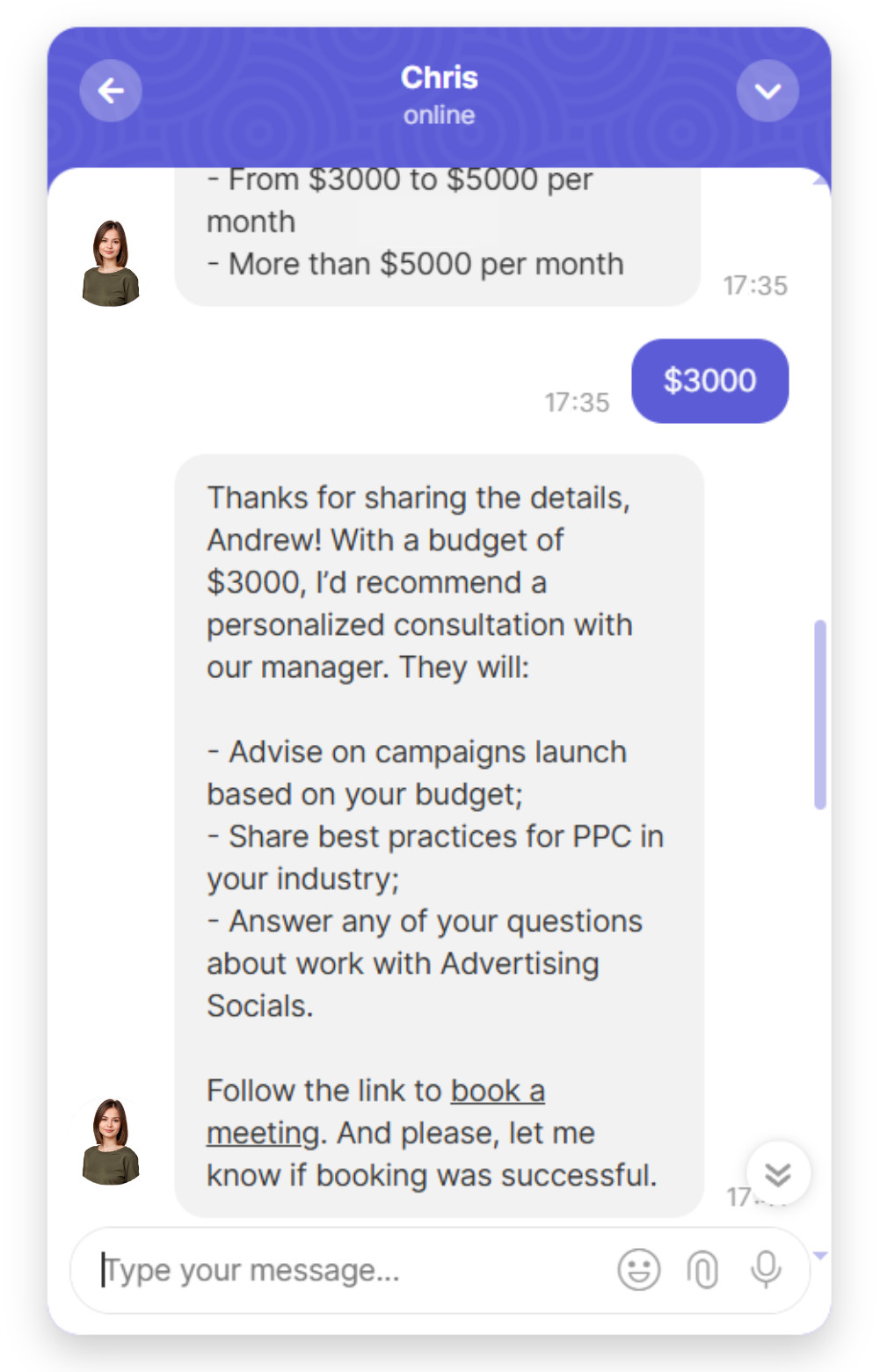
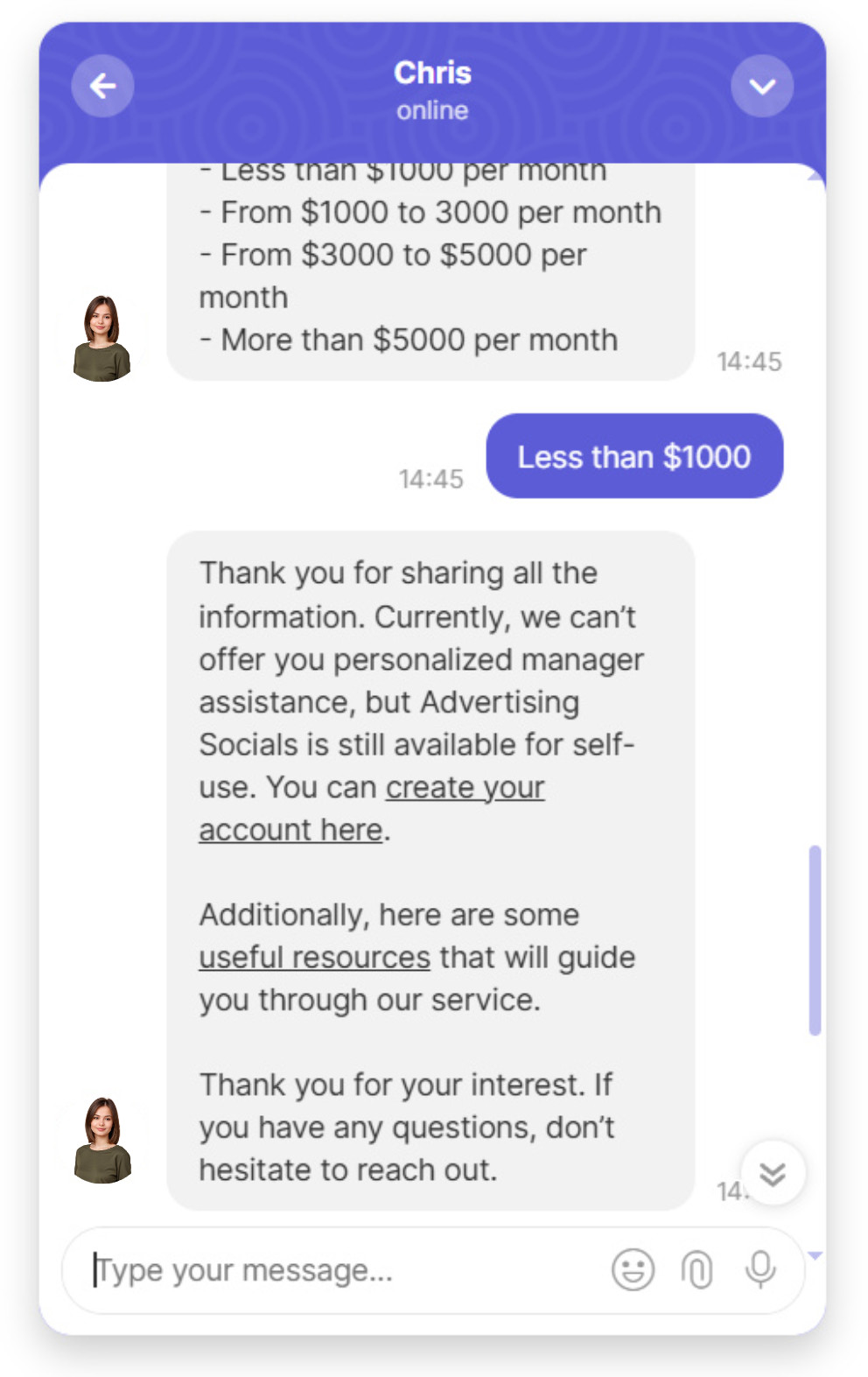
Define “qualified” in plain language, then automate routing rules so sales gets quality leads, not just more leads.
Why inbound marketing creates more quality leads
Inbound lead generation often produces quality leads because it meets buyers where they already are: researching a problem, comparing options, and looking for proof.
That said, it requires a long-term strategy with clear upsides and real tradeoffs.
Benefits: compounding demand, trust, and lower CAC over time
When you publish helpful content consistently, it compounds.
Each new article, webinar, or landing page can bring incremental traffic, new leads, and repeat visits. That creates an “always-on” engine for lead generation.
More importantly, inbound builds trust before the first contact. A prospect who has already read your guides, watched a webinar, or compared use cases is usually easier to qualify, because the context is there.
The result is fewer “why are you bothering me?” conversations and more “here’s what we’re trying to fix” conversations.
Over time, that trust can reduce CAC. You spend less on chasing uninterested accounts and more on converting demand you already earned.
Challenges: attribution, long ramp-up, and “not all leads are equal”
Inbound marketing takes time.
You might publish for weeks (or months) before you see meaningful movement in pipeline, especially in B2B SaaS categories with long consideration cycles.
Attribution also gets messy. A buyer can read three posts, ignore your newsletter, come back via search, and convert from a webinar invite. That journey is hard to tie to a single touch.
And “not all leads are equal” is real.
If your content targets broad keywords, you can generate lots of leads that don’t match your ICP. The fix is simple, but not easy: align topics with intent, define what “qualified” means, and build follow-ups that filter for quality leads instead of celebrating raw volume.
Set your inbound marketing strategy (ICP, intent, and measurement)
If you want predictable inbound lead flow, you need a clear marketing strategy. Not a list of channels. A decision system that answers three questions: who you’re targeting, what signals show intent, and how you’ll measure progress.
Define your target audience and the intent signals you care about
Start with your ICP. Then define what “ideal” looks like in plain language.
A simple way to do it:
- Target audience: industry, company size, geography, tech stack, and the job-to-be-done.
- Must-have context: current workflow, budget range, and timeline.
- Disqualifiers: segments you do not serve, and use cases you do not support.
Next, choose intent signals you can actually capture as data.
Prioritize signals that happen close to purchase:
- Search intent (pricing and comparison queries, solution keywords).
- Product intent (trial activation, key feature usage).
- Website intent (pricing page views, repeat visits, high-engagement sessions).
- Sales intent (demo requests, calendar clicks, reply-to-nurture emails).
These signals should feed one place for management.
One queue. One definition of “hot.” One next step.
Find out more about defining your ICP:
![Build Ideal Customer Profile Like a Pro Even If You’re Not [3 Templates]](https://www.dashly.io/blog/wp-content/uploads/2021/03/ideal-customer-profile-4-720x308.jpg)
Pick metrics that prove lead generation impact (MQL, SQL, meetings)
Choose metrics that connect marketing activity to pipeline, not vanity traffic.
At minimum, track:
- Visitor → lead conversion rate (by channel and page).
- MQL rate (how many leads match ICP and show intent).
- SQL rate (how many MQLs become sales-qualified).
- Meetings booked (and show-up rate).
- Time-to-first-value for the lead (how quickly you deliver a relevant next step).
Then build a weekly review loop. Look at what creates more MQLs, what creates more meetings, and where leads drop off.
If a channel brings a lead but never produces SQL or meetings, your marketing strategy needs a fix, not more budget.
That’s how inbound stops being guesswork and becomes an operating system.
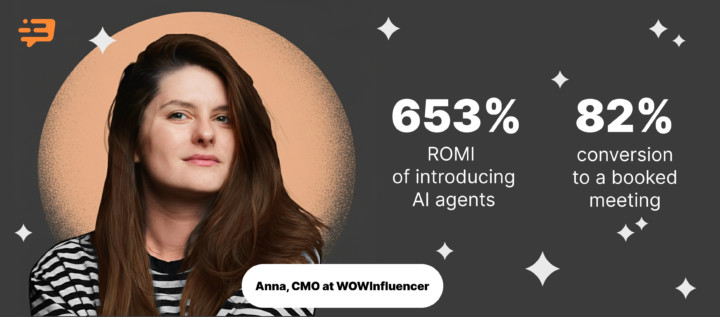
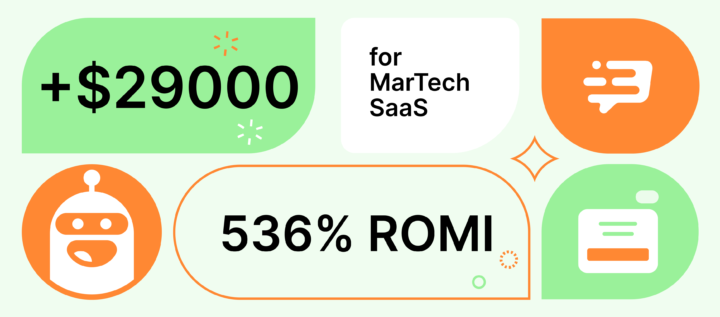
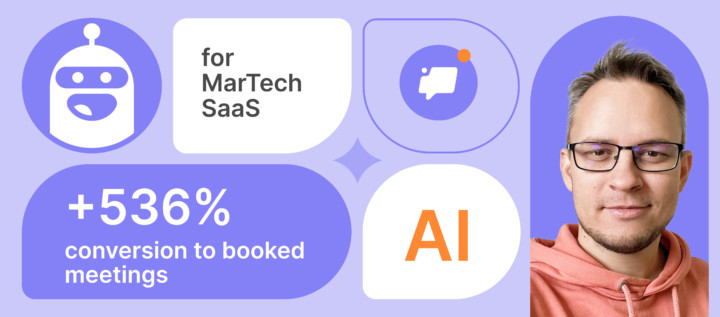
To set up benchmarks, you can take metrics from other companies. Here are a few success stories where B2B SaaS companies share their inbound funnel metrics:
Content marketing that drives inbound leads (formats that attract and convert)
If you want more inbound leads, you need valuable content that does two jobs at once: it attracts the right people, and it helps them make a decision.
That’s the real goal for content in B2B SaaS. Not “more posts.” A clear path that maps to intent.
Here are two formats that consistently move the needle for lead generation.
Blog content: topic clusters and bottom-of-funnel pages that rank in search
Start with a topic cluster, not a random editorial calendar.
Your cluster should include:
- One pillar page that covers the category problem at a high level.
- 6–12 supporting articles that answer specific questions (integration, pricing, alternatives, implementation).
- 3–5 bottom-of-funnel pages that target buying intent (e.g., “best ‘, ‘ vs ‘, ‘ software’).
This approach builds topical authority for marketing, and it creates natural internal links that improve rankings.
More importantly, it sets up clean conversion paths. Put a relevant CTA on every page, but match it to intent:
- Awareness page → checklist or template.
- Consideration page → case study or webinar invite.
- Decision page → demo request.
That’s how blog SEO turns into inbound leads instead of just traffic.
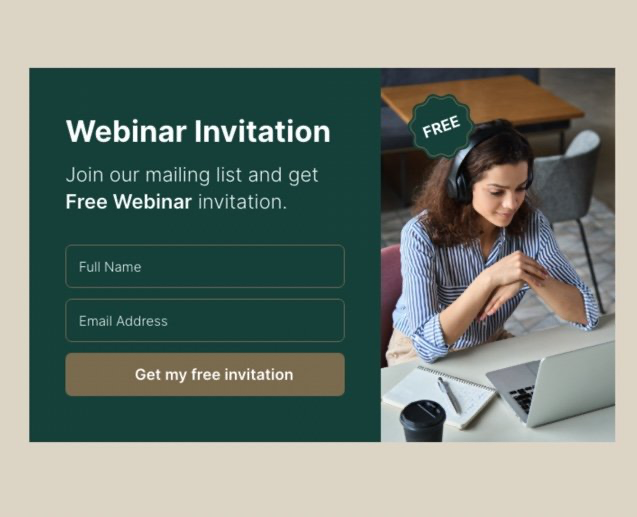
Webinars: the highest-intent format for inbound lead generation
Webinars work because they compress trust.
A buyer who spends 40 minutes with you is giving a stronger signal than a buyer who skimmed a post.
To make webinars drive lead generation, use a simple system:
- Pick topics that solve a painful job-to-be-done.
- Co-host with a credible partner to expand reach on social media.
- Ask 1–2 qualifying questions on the registration form.
- Follow up based on engagement (attended, stayed 30 minutes, asked a question).
Do this consistently, and you’ll have a repeatable engine: valuable content → inbound leads → meetings.
SEO foundation for inbound marketing lead generation (so buyers can find you)
If your inbound marketing lead generation relies only on social distribution, you’ll feel the feast-or-famine effect.
SEO fixes that by capturing intent when buyers are already using search to solve a problem.
But SaaS teams often miss the point: ranking itself is not the final goal. Creating a path from search to a qualified lead is.
Keyword strategy: match search intent across TOFU/MOFU/BOFU
Start by mapping keywords to intent, not volume.
A clean split looks like this:
- TOFU: educational queries that describe the problem (“what is ‘, ‘how to ‘).
- MOFU: evaluation queries (‘best ‘, ’ alternatives”, ” vs “).
- BOFU: decision queries tied to action (‘pricing’, ‘demo’, ‘implementation’, ‘integrations’).
Then build content that matches the next step.
TOFU pages should offer a checklist or template. MOFU pages should offer a webinar, case study, or comparison table. BOFU pages should offer a demo request and proof.
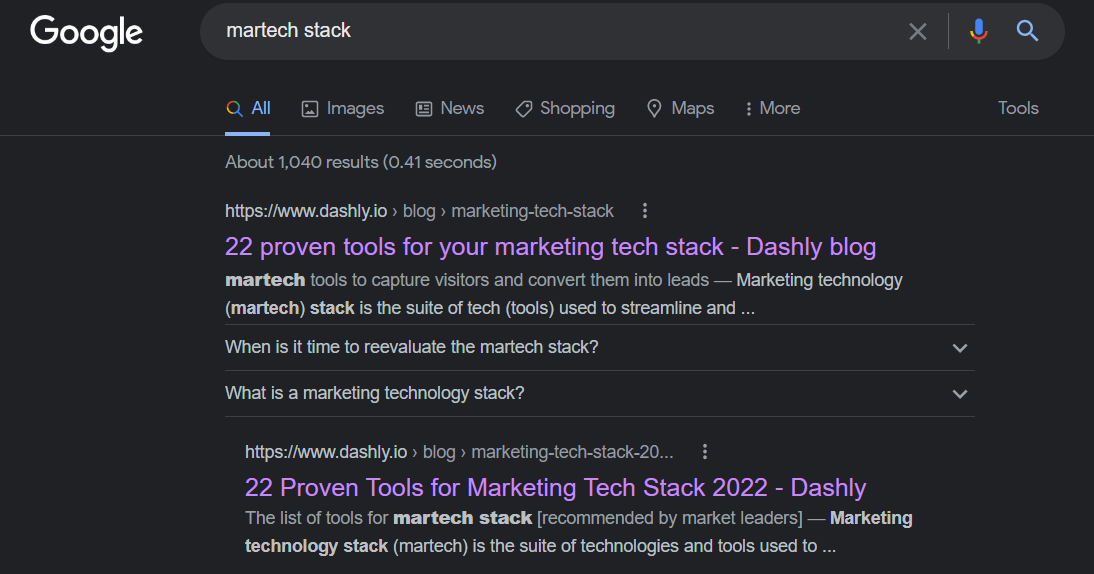
Marketing tech stack post includes numerous lead magnets we offer in exchange for readers’ contacts
That’s how marketing turns SEO traffic into lead generation.
On-page SEO basics (titles, internal links, and scannable structure)
On-page work is where most “good content” becomes rankable content.
Keep it simple:
- Put the primary keyword in the title and H2 (naturally).
- Use short H3s that mirror the questions people type into search.
- Add internal links that create a clear journey (TOFU → MOFU → BOFU → demo).
- Make the page scannable: short paragraphs, lists, and bolded takeaways.
- Optimize for humans first, then engines: remove fluff and answer the question early.
One rule of thumb: if a reader can’t find the definition and the next step in 20 seconds, Google usually can’t either.
Do this consistently, and SEO becomes your most reliable source of compounding lead generation.
Social media and community: turn attention into inbound leads
If social media feels like “nice engagement” but weak pipeline, it’s usually because your marketing stops at posting.
To drive inbound leads, you need a system that turns attention into repeat visits, repeat conversations, and repeat conversions.
That system is a distribution loop.
Distribution loops: how social keeps lead generation consistent
A distribution loop is simple: one strong idea becomes multiple social touchpoints, each touchpoint points back to a next step, and the results feed the next round of content.
Here’s a practical loop you can run every week:
- Publish one flagship asset: a guide, a case study, or a webinar invite.
- Repurpose it into 5–7 social media posts (different angles, different hooks, same core point).
- Send people to one focused page with one CTA (template, webinar registration, or demo).
- Capture and tag the lead source so you can see what actually creates inbound leads.
The goal is consistency. Not virality.
To make the loop work, build three “always-on” levers:
- Creator distribution: your founder and experts post from personal accounts, not only the brand page.
- Community distribution: you comment first, then post. The best reach often comes from relevant threads, not your feed.
- Conversion distribution: every post has a next step that matches intent.
A quick rule for CTAs:
- Top-of-funnel social post → checklist or “read the guide.”
- Mid-funnel post (results, mistakes, comparisons) → webinar or case study.
- Bottom-funnel post (pricing, implementation, ROI) → demo.
Track it like a funnel.
If a post brings clicks but no inbound leads, your offer is too hard, too vague, or on the wrong page. If it brings leads but no meetings, tighten qualification and nurture.
That’s how social media becomes a predictable lead and pipeline channel.
Email + lead nurturing: convert inbound leads into meetings (not just leads)
If you’re generating inbound leads but your calendar is still empty, the gap is usually post-conversion.
People download a guide, then disappear.
That’s what lead nurturing is for: relevant follow-up that moves an inbound lead to the next step.
Segment by intent and personalize nurturing (what to send and when)
Segment every inbound lead using two signals you can actually run in management:
- Intent (what they did): pricing page view, webinar registration, demo request, or “just read a blog post.”
- Fit (who they are): company size, role, industry, and use case.
Then match the message to the moment.
A simple email map:
- Low intent + good fit → checklist, template, “common mistakes.”
- Mid intent (webinar / comparison) → case study, ROI angle, soft CTA.
- High intent (pricing / demo) → 1:1-style personalized follow-up: “Saw you checked pricing. Want a 10-minute walkthrough?”
Keep the sequence tight. Leads don’t need 12 emails. They need the right 3–5 touches.
Speed-to-lead: follow-up workflows that prevent inbound lead drop-off
Speed-to-lead is a conversion lever.
Follow up while intent is fresh:
- Instant confirmation email with the asset + one next-step CTA.
- A 15-minute rule for high-intent inbound lead actions (pricing, demo, webinar attendance).
- A 24-hour follow-up with one clear question.
- A 3-day touch with proof (case study or comparison).
To make it scalable, route by intent in one place for management, then automate reminders and handoffs.
That’s how lead nurturing turns leads into booked meetings instead of dead form fills.
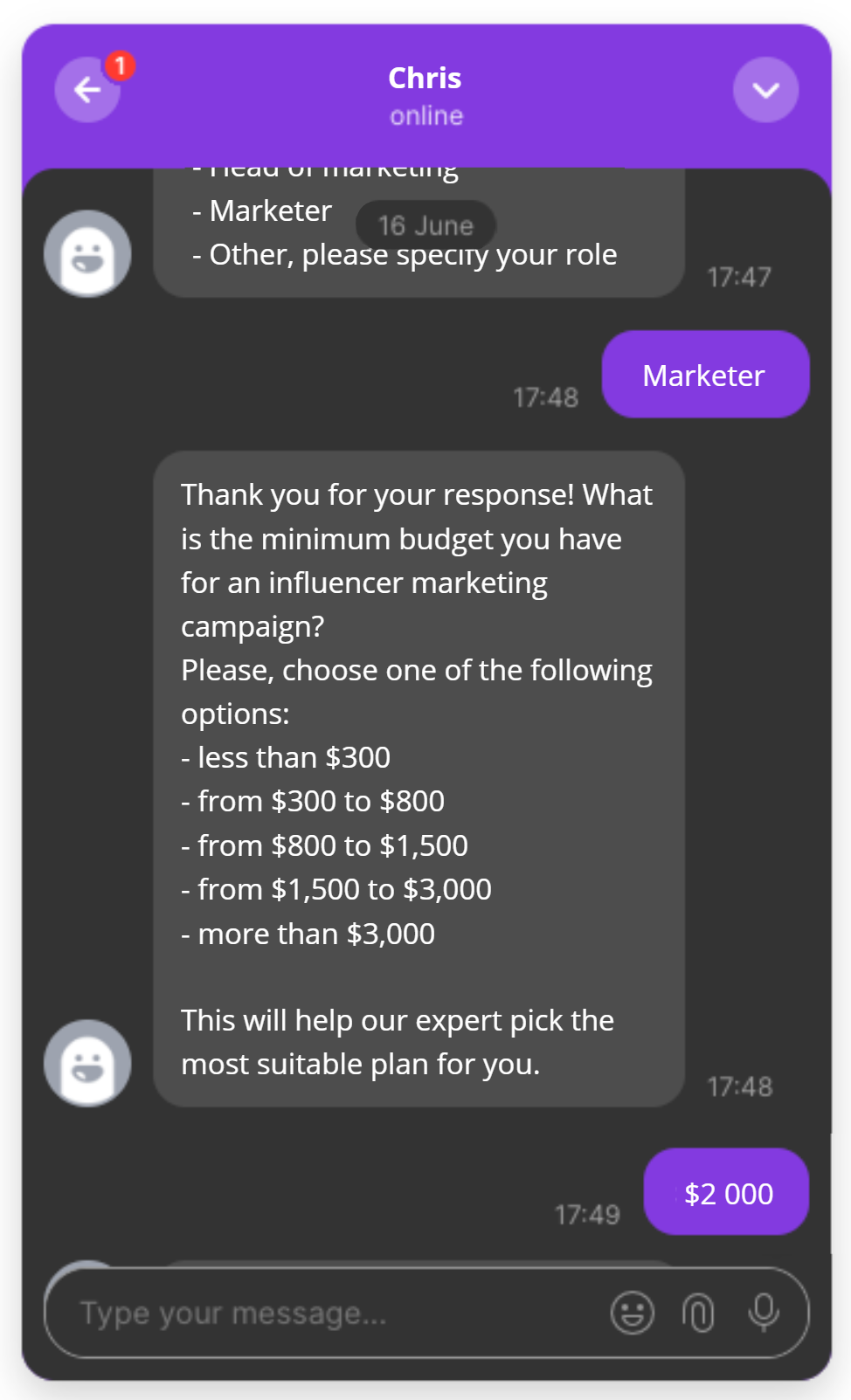
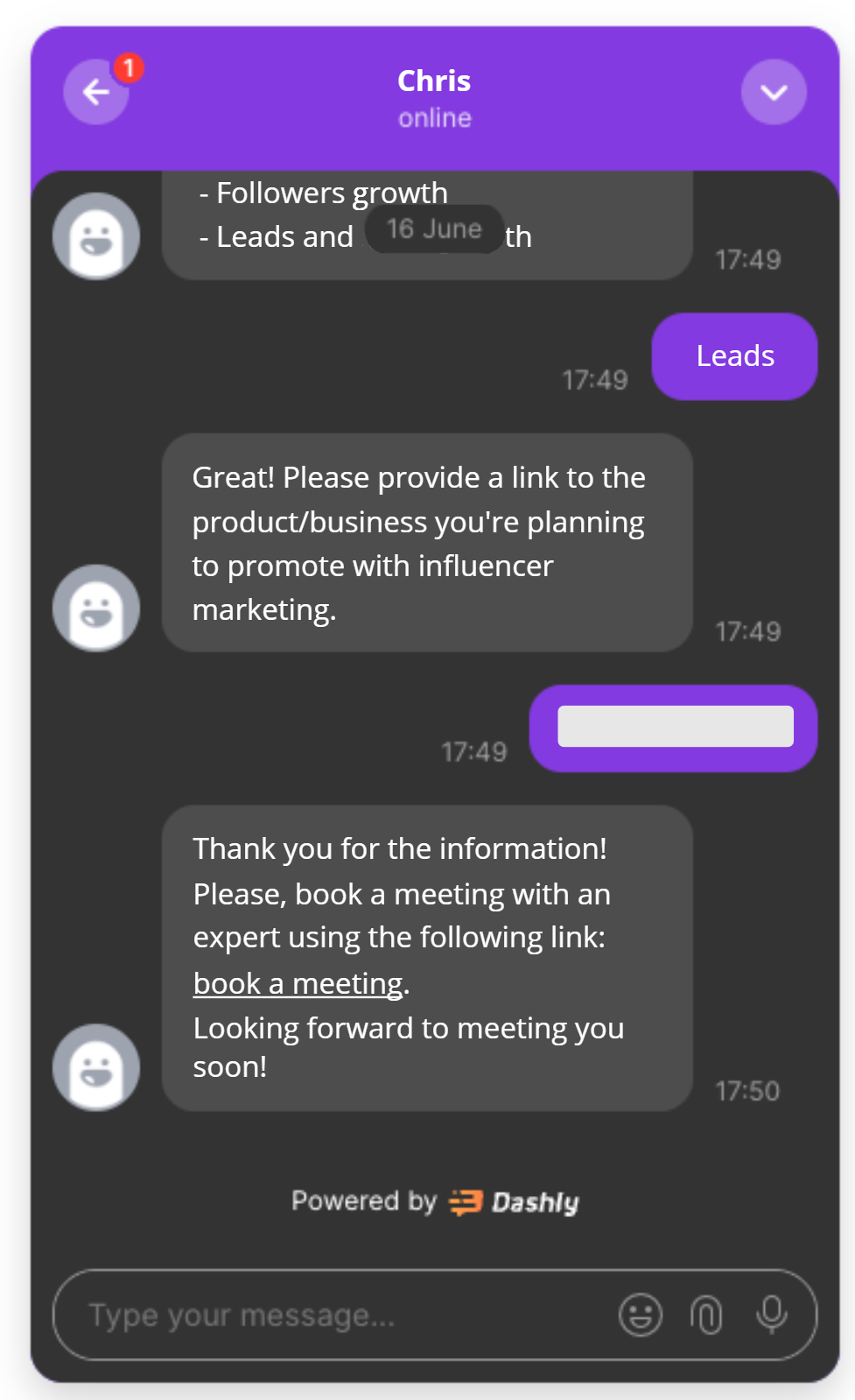
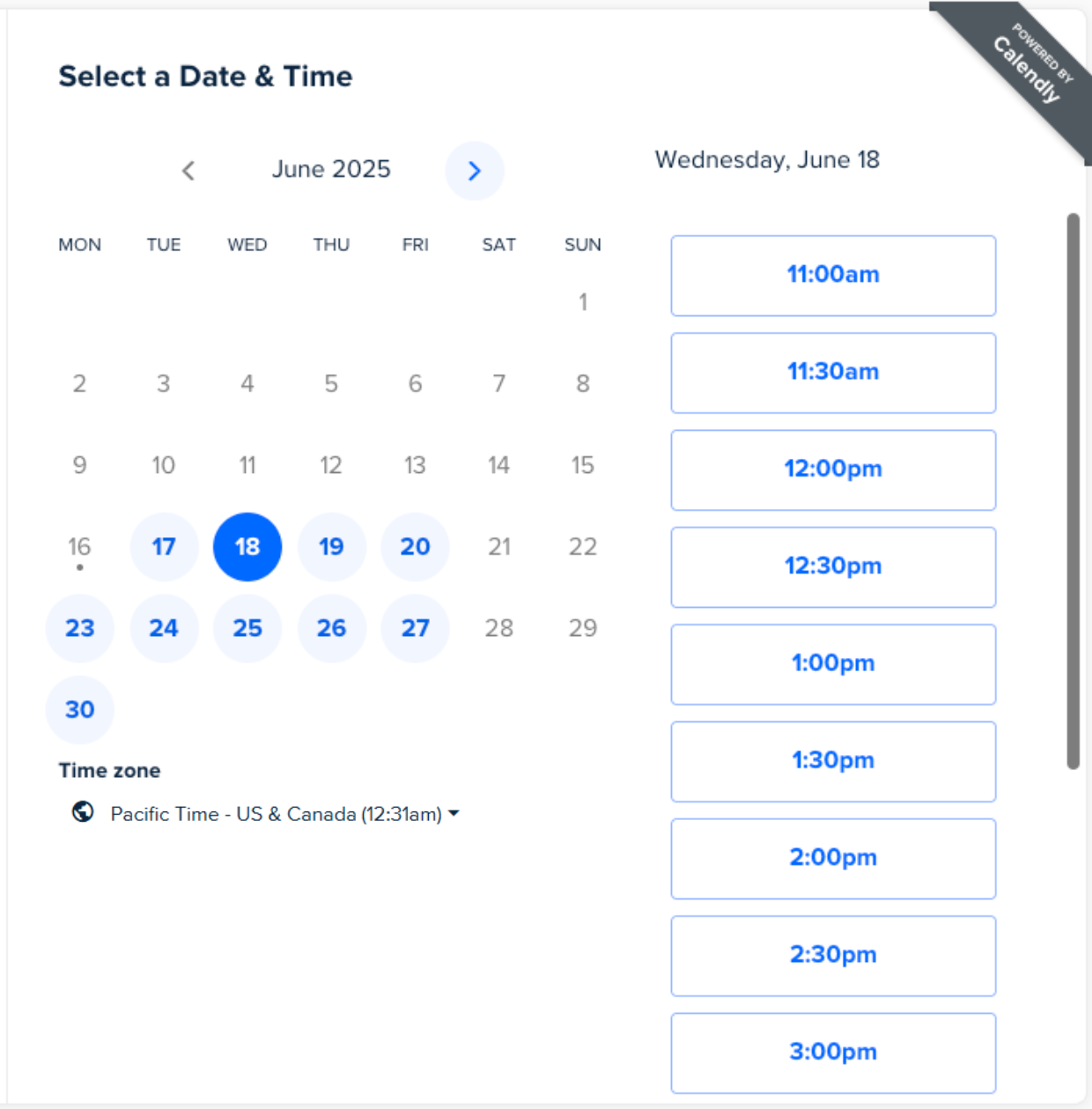
But to raise chance for conversion of high-intent leads, we recommend streamline the demo booking process, eliminating the SLA gap. Here’s what a booking flow looks like with Dashly agents:
Conversion assets that capture more inbound leads (without killing UX)
Conversion assets are where inbound lead generation becomes real. If your content attracts the right people, the next question is whether your form and landing page help a lead take the next step.
The goal is not “collect more data.” It’s to collect the right data, with minimal friction, using the right tools.
High-converting forms + landing pages (what to ask for to protect lead quality)
A high-converting form is short, but it still protects lead generation quality.
Start with three principles:
- Ask only what you will use in routing or qualification.
- Use progressive profiling when possible (don’t ask the same questions twice).
- Match the ask to intent (ebook ≠ demo).
A practical field set for B2B SaaS:
- Low-intent asset → name + work email + one qualifier (role or use case).
- Demo request → work email + company + role + one intent question (timeline or goal).
On landing pages, keep one job per page. One CTA. One proof block. Remove navigation if the page’s only goal is inbound leads.
Lead management (and how Dashly improves it for B2B SaaS)
Capturing a lead is step one. Lead management is what happens next: enrichment, qualification, routing, booking, and follow-up.
This is where teams lose up to half of inbound demand.
Dashly is a data-driven AI agent platform for B2B SaaS that automates the inbound funnel: engagement → qualification → booking → nurturing.
Dashly’s AI agents make decisions using customer data from your CDP and CRM, not just chat transcripts.
Lead scoring and definitions (what “qualified” means in your marketing)
If “qualified” is subjective, management breaks.
Define it as a checklist:
- Fit: ICP match (industry, size, role).
- Intent: actions like pricing views, demo clicks, webinar attendance.
- Readiness: timeline and problem clarity.
Then score consistently, and route based on score. Your team should never debate whether an inbound lead is “good.” The system should decide.
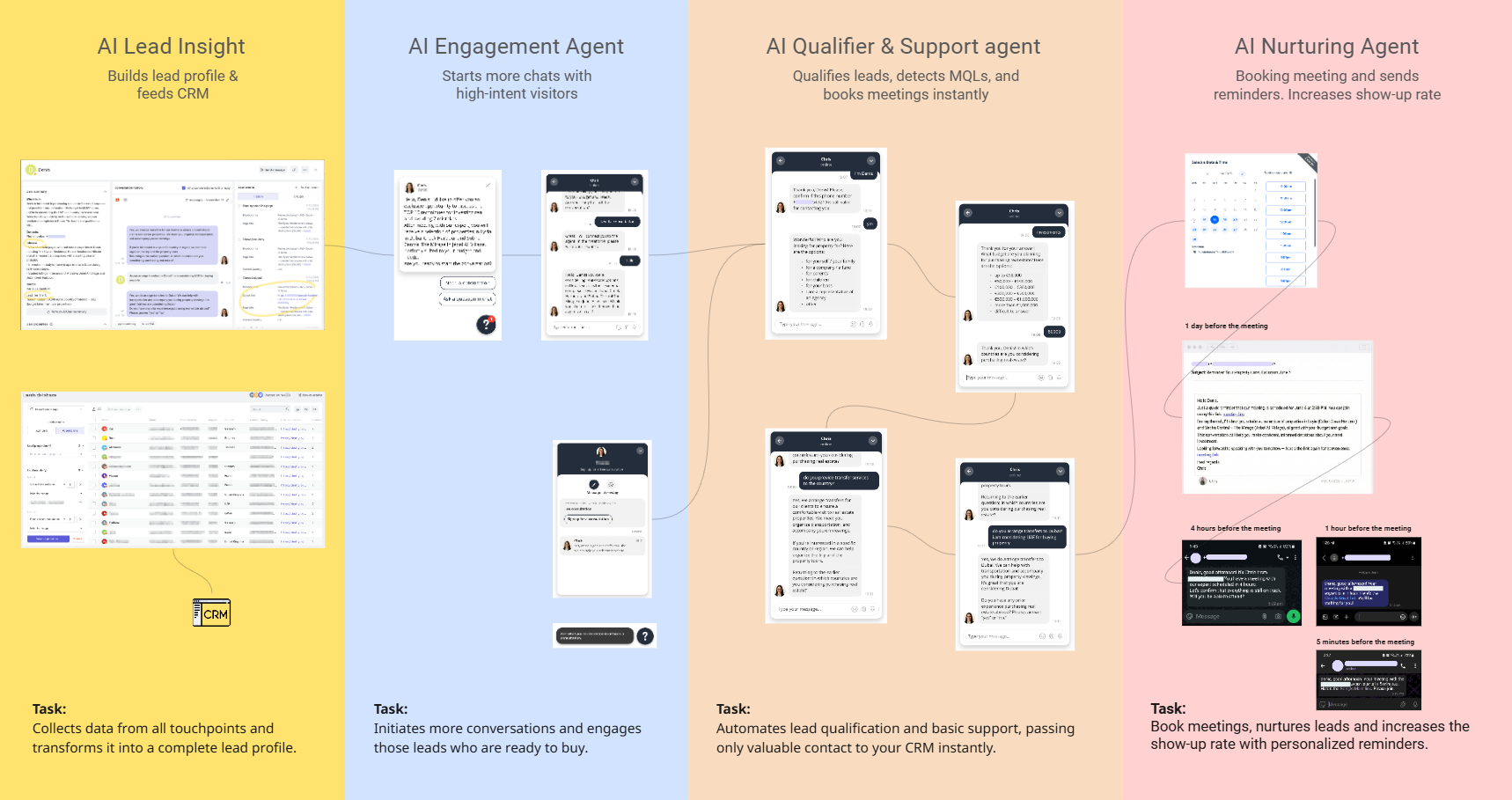
Dashly overview: AI agent platform for the inbound funnel (engagement → qualification → booking → nurturing)
Dashly deploys specialized AI agents across the funnel:
- Engagement: start conversations at the right moment.
- Qualifier: ask data-driven questions and capture fields without friction.
- Booking: reduce drop-off by scheduling instantly.
- Nurturing: increase show-up rate with personalized reminders.
Here’s what the whole inbound flow looks like:
Dashly in action: workflows that protect lead quality and increase meetings
In Dashly customer stories, teams see measurable outcomes:
- 82% conversion from chat conversation to meeting booking and 653% ROMI.
- 70% of leads booking meetings without manager involvement and 568% ROMI in a demo funnel.
These results come from faster speed-to-lead on website chat, higher qualification with data-driven questions, automatic meeting booking, and nurturing that keeps prospects moving.

Tools to scale inbound lead generation (what to automate first)
The fastest way to scale inbound lead generation is to stop treating it like just activities and start treating it like a system.
That system runs on data, clear routing rules, and tools that remove manual steps.
Start automation in this order:
- Capture and unify intent signals (pages, events, content downloads).
- Qualify and route leads the same way every time.
- Trigger follow-up instantly, while the buyer is still active.
The modern stack: analytics, CRM, automation, and conversational experiences
A practical stack is a combination of software that does four jobs:
- Analytics: Google Analytics 4 (GA4) to see which pages and channels drive qualified actions.
- CRM: HubSpot for lifecycle stages, pipeline, and Hubspot inbound marketing lead generation workflows.
- Data layer: Segment to unify product + website events into one source of truth.
- Automation: Zapier to connect forms, webinar tools, and calendars without engineering.
- Scheduling: Calendly to reduce friction from “interested” to booked meeting.
If you want the stack to feel intelligent, define what counts as high intent (pricing views, demo clicks, webinar attendance) and pass that context into every system.
Otherwise, you just have disconnected tools.
One simple rule: every platform in the stack should answer one question — “what should we do next with this lead?”
Inbound marketing lead generation examples + quick wins
Here’s a repeatable workflow you can copy as an inbound marketing lead generation example, plus 5 quick wins that show how to increase inbound leads without rebuilding your whole marketing engine.
Example playbook: from SEO page → webinar → nurture → booked meeting
- SEO page (capture intent)
- Pick one high-intent topic, like “inbound lead generation management” or “inbound lead generation examples.”
- Add one contextual CTA: “Join the webinar” or “Get the checklist.”
- Add internal links to 2–3 supporting pages, and a simple conversion block.
- Webinar (convert + qualify)
- Match the webinar promise to the page: same problem, same outcome.
- Keep the registration form tight: work email + company + role + 1 qualifier.
- Add a qualification moment: a poll (“What are you optimizing: volume or quality?”) and a Q&A prompt (“Drop your current funnel step that leaks”).
- Nurture (move to meeting)
- Send follow-up based on engagement: registered, attended, watched replay, clicked CTA.
- Add a fast-follow-up rule: if someone attended + clicked pricing, route to sales within 15 minutes.
- Booked meeting (handoff)
- CTA: calendar link or demo request.
- Pass minimum context: source page, webinar engagement, and key pain point.
Quick wins: how to increase inbound leads this week
- Tighten CTAs on your top 3 organic pages (one primary CTA per page).
- Add a webinar CTA block to pages already ranking.
- Reduce lead-capture friction (fewer fields, clearer microcopy).
- Automate speed-to-lead for form, chat, and webinar signups.
- Segment nurture by intent (pricing visitors ≠ webinar attendees).
Conclusion
Inbound lead generation works best when it’s a system, not a set of random tactics.
Treat lead generation like an operating loop: capture intent, convert with one clear offer, follow up fast, and learn from what moves pipeline.
Do that consistently, and you’ll see how to increase inbound leads without constantly reinventing your marketing.
Start small. Measure weekly. Improve one step at a time.
FAQ about inbound marketing lead generation
Inbound lead generation is the process of attracting people through content, SEO, and other pull channels, then converting them into inbound leads by capturing contact details and context.
To get more inbound leads, focus on high-intent topics, one clear CTA per page, fast follow-up, and segmented nurture. That’s how lead generation becomes predictable.
A lead gen specialist’s pay depends on country, seniority, and scope. In B2B SaaS, compensation typically combines base salary plus a bonus tied to lead generation outcomes (MQLs, SQLs, meetings).
A simple 4-stage model is: attract traffic → convert to a lead → nurture and qualify → book a meeting and close.